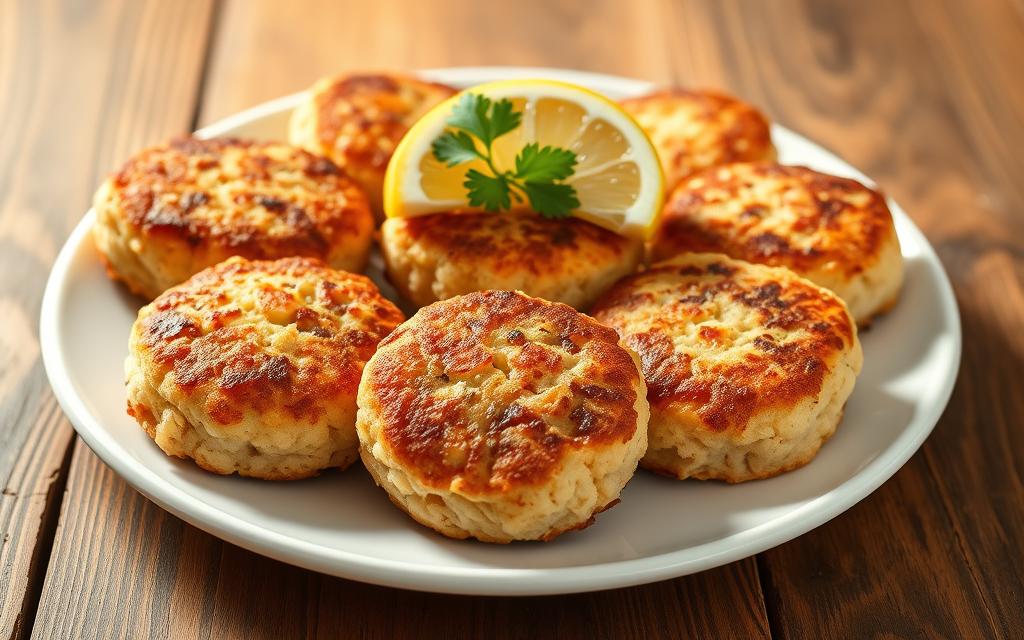
Creating delicious crab cakes at home is easier than you think. With a few simple ingredients and our step-by-step guide, you can achieve restaurant-quality cakes that are full of flavor.
Maryland-style crab cakes are renowned for their generous use of fresh crab meat, allowing the natural sweetness of the seafood to shine through. This recipe focuses on using high-quality ingredients to create a dish that’s both tender and flavorful.
By following our guide, you’ll learn how to make crab cakes that are golden on the outside and packed with flavor. Whether you’re cooking for a special occasion or a casual meal, these crab delicacies are sure to impress.
The essence of Maryland’s culinary pride lies in its crab cakes, which are made with minimal filler and maximumcrabmeat. Maryland-stylecrab cakesare known for their generous proportion of jumbo lumpcrabmeat.
Thesecakesare typically seasoned with Old Bay, enhancing theirflavor. A perfectcrab cake reciperesults in acakethat is both moist and flavorful.
Essential Ingredients for Authentic Crab Cakes
The foundation of exceptional crab cakes lies in the quality and combination of their ingredients. Crafting authentic crab cakes requires a thoughtful selection of key components that work together to enhance the natural flavor of the crab.
Choosing the Right Crab Meat
Selecting the right crab meat is crucial for authentic crab cakes. Fresh, high-quality crab meat, preferably jumbo lump, is essential for the best flavor and texture. The natural sweetness of the crab should be the focal point, with minimal filler ingredients.
Binding Ingredients
Binding ingredients such as mayonnaise, egg, and breadcrumbs help hold the crab cakes together. Mayonnaise adds moisture and richness, while the egg provides additional binding properties. Breadcrumbs can help absorb excess moisture and add texture.
Seasonings and Flavorings
Traditional seasonings for crab cakes include Old Bay seasoning, mustard, fresh parsley, and a squeeze of lemon juice.
“The key to successful seasoning lies in restraint—each element should be present enough to be detected but subtle enough to allow the crab to remain the star of the dish.”
These ingredients enhance the naturalflavorwithout overwhelming it. A small amount of prepared mustard adds depth, whileOld Bayprovides a signature flavor profile.
How to Make Crab Cakes: Step-by-Step Instructions
Making crab cakes is a simple process that involves preparing the crab mixture, forming the cakes, and chilling them before cooking. This step-by-step guide will walk you through the process, ensuring that your crab cakes turn out delicious and authentic.
Preparing the Crab Mixture
To start, gently combine the crab meat with the binding ingredients and seasonings in a bowl. Be careful not to break up the lumps of crab meat, as this can make the mixture dense. For a detailed recipe, you can refer to Maryland Crab Cakes with Quick Tartar. The mixture should be cohesive but still retain some texture.
Forming the Crab Cakes
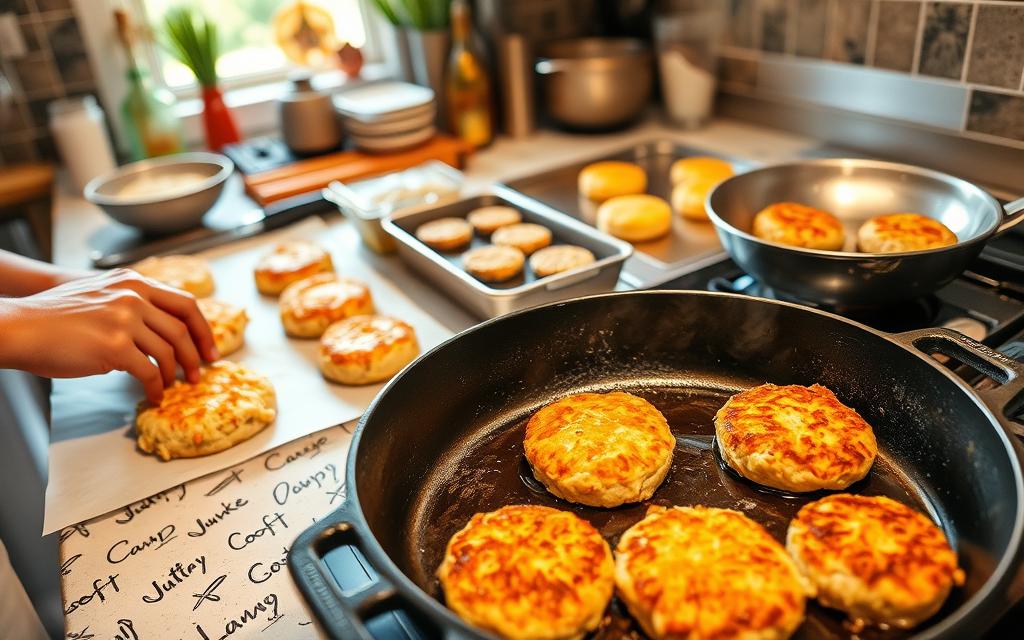
Using your hands, shape the crab mixture into patties, typically around 1-1.5 inches in diameter. Place the formed cakes onto a baking sheet lined with parchment paper. Make sure not to overcrowd the sheet to prevent the cakes from sticking together.
Chilling for Best Results
After forming the cakes, cover the baking sheet with plastic wrap and refrigerate for at least 1 hour and up to 24 hours. This chilling time is crucial as it allows the cakes to set and hold their shape during cooking. During refrigeration, ensure the plastic wrap doesn’t touch the surface of the cakes to prevent moisture loss. The chilling process also allows you to prepare the crab cakes up to 24 hours in advance, reducing day-of stress while improving the quality of the finished dish.
Cooking Methods for Perfect Crab Cakes
Achieving the perfect crab cake requires not just the right ingredients, but also the right cooking method. The cooking technique can make or break the texture and flavor of your crab cakes.
Pan-Frying Technique
Pan-frying is a popular method for cooking crab cakes as it yields a crispy exterior and a tender interior. To pan-fry crab cakes, heat a skillet with a small amount of oil over medium-high heat. Cook the crab cakes for about 4 minutes on each side, until they are golden brown and cooked through.
Baking Method
Baking is a healthier alternative to frying and can produce equally delicious results. Preheat your oven to 375°F (190°C). Place the crab cakes on a baking sheet lined with parchment paper and bake for about 15-20 minutes, or until they are cooked through and lightly browned.
Broiling for a Golden Finish
Broiling can be used as a finishing technique to give crab cakes a golden-brown top. To broil crab cakes, position an oven rack 6 inches from the broiler element and preheat the broiler on high. Broil the cakes for 2-3 minutes until golden on top. This method adds a nice crunch to the exterior while keeping the interior tender.
Cooking Method
Time
Result
Pan-Frying
4 minutes/side
Crispy exterior, tender interior
Baking
15-20 minutes
Lightly browned, cooked through
Broiling
2-3 minutes
Golden-brown top
Expert Tips for Crab Cake Success
Mastering the art of crab cakes involves more than just following a recipe; it requires finesse and attention to detail. To create exceptional crab cakes, it’s crucial to understand the key elements that make them stand out.
Handling the Crab Meat
Gently handling the crab meat is vital to preserving its lumps. Avoid breaking up the lumps, as this can result in a paste-like consistency rather than a textured cake. Delicately mixing the ingredients will help maintain the integrity of the crab.
Achieving the Perfect Texture
The perfect crab cake texture is achieved by balancing the ingredients. Too much filler can make the cakes dense, while too little can cause them to fall apart. Ensuring the right balance is key to a tender and cohesive cake.
Common Mistakes to Avoid
Common mistakes in making crab cakes include using too much filler, overmixing, skipping the chilling step, cooking at too high a temperature, and using imitation crab meat. Avoiding these pitfalls will significantly improve the quality of your crab cakes.
Mistake
Consequence
Solution
Using too much filler
Results in bread cakes with crab
Use minimal filler
Overmixing
Breaks down crab lumps, creating a paste
Mix gently
Skipping chilling step
Cakes fall apart during cooking
Chill adequately
Delicious Accompaniments for Crab Cakes
When it comes to serving crab cakes, the right accompaniments can make all the difference. The ideal accompaniments strike a balance between complementing the star of the meal and providing contrasting textures and flavors.
Sauces and Condiments
The right sauce can enhance the flavor of crab cakes. Popular options include tartar sauce, remoulade, and cocktail sauce. For a lighter touch, a squeeze of fresh lemon juice can also be delightful.
Consider the following sauces:
Tartar sauce for a classic taste
Remoulade for a creamy, herby flavor
Cocktail sauce for a tangy kick
Side Dish Suggestions
For side dishes, options like vinegar-based coleslaw, corn on the cob, or a light green salad are excellent choices. These dishes complement the crab flavor without overpowering it and can be prepared in a reasonable time to serve.
Side Dish
Description
Vinegar-based coleslaw
Provides a tangy contrast to the richness of crab cakes
Corn on the cob
Adds a sweet and satisfying element to the meal
Light green salad
Offers a refreshing and light accompaniment
Variations on Classic Crab Cakes
While traditional crab cakes remain a favorite, modern adaptations offer exciting alternatives. This beloved dish has evolved, incorporating regional flavors and catering to various dietary needs.
Regional Styles
Regional variations of crab cakes showcase local flavors and ingredients. For instance, Louisiana-style crab cakes might include Cajun spices, while those from the Pacific Northwest could incorporate fresh dill and lemon zest. These regional twists add diversity to the classic recipe.
Dietary Adaptations
Dietary adaptations have made crab cakes accessible to a wider audience. Some variations include:
Gluten-free versions using gluten-free panko or almond flour
Low-carb adaptations minimizing breadcrumbs
Dairy-free options using olive oil instead of butter
Paleo versions with almond flour and coconut flour
These adaptations ensure that everyone can enjoy crab cakes, regardless of dietary restrictions.
Dietary Adaptation
Key Ingredient Change
Gluten-free
Gluten-free panko
Low-carb
Minimized breadcrumbs
Dairy-free
Olive oil instead of butter
Paleo
Almond flour or coconut flour
Make-Ahead and Storage Tips
The versatility of crab cakes lies in their ability to be stored for later use. Whether you’re preparing for a party or saving leftovers, understanding how to store crab cakes properly is crucial for maintaining their flavor and texture.
Refrigeration Guidelines
For short-term storage, refrigeration is the best option. Crab cakes can be refrigerated for up to a day before cooking. To keep them fresh, place them on a plate or tray, cover with plastic wrap, and store in the refrigerator at a consistent temperature below 40°F.
Freezing and Reheating
For longer storage, freezing is an excellent method. To freeze, arrange uncooked crab cakes on a parchment-lined baking sheet and freeze until solid. Then, transfer them to airtight containers or freezer bags. When you’re ready to eat them, thaw overnight in the refrigerator and reheat in a 350°F oven for 10-15 minutes, or until heated through, applying gentle heat to preserve the delicate texture.
Frequently Asked Questions About Crab Cakes
For those venturing into the world of crab cakes, a few frequently asked questions can serve as a valuable guide. New cooks often encounter similar challenges, and understanding the answers to common questions can help troubleshoot issues.
What’s the best crab meat to use? Jumbo lump crab meat is preferred for its texture and flavor.
Can I make crab cakes ahead of time? Yes, you can prepare them up to 24 hours in advance.
Why are my crab cakes falling apart? This can be due to too little binder or not chilling them enough.
Other common questions include whether you can freeze crab cakes (yes, for up to 6 months) and the best cooking method (pan-frying for crispiness or baking for ease).
Conclusion
By following this guide, you’ll gain the confidence to create mouth-watering crab cakes that impress. Mastering the art of crab cake preparation opens a world of culinary possibilities, from casual family dinners to elegant entertaining options. The techniques explored throughout this guide build fundamental cooking skills that transfer to many other dishes. Whether you’re a seasoned cook or preparing crab cakes for the first time, attention to quality ingredients and proper handling ensures delicious results. You can now make crab cakes your own while maintaining their essential character.
FAQ
What type of crab meat is best for crab cakes?
Jumbo lump or lump crab meat is ideal for cakes because of its tender texture and flavor.
Can I use canned crab meat instead of fresh?
While canned meat can be used, fresh crab meat provides better flavor and texture for cakes.
What is the role of panko breadcrumbs in crab cake recipes?
Panko breadcrumbs help bind the crab cake mixture together and add a light, crispy coating when cooked.
How long can I store crab cakes in the refrigerator before cooking?
Crab cakes can be stored in the refrigerator for up to a day before cooking, allowing the flavors to meld together.
What are some common accompaniments to serve with crab cakes?
Tartar sauce, lemon wedges, and fresh parsley are popular accompaniments that complement the flavor of crab cakes.
Can crab cakes be frozen for later use?
Yes, crab cakes can be frozen before cooking. Simply thaw and cook according to your preferred method.
What is the best way to reheat leftover crab cakes?
Reheat leftover crab cakes in the oven or pan to maintain their crispy exterior and tender interior.
How do I prevent crab cakes from falling apart while cooking?
Chilling the crab cakes before cooking and using a gentle cooking technique can help prevent them from breaking apart.