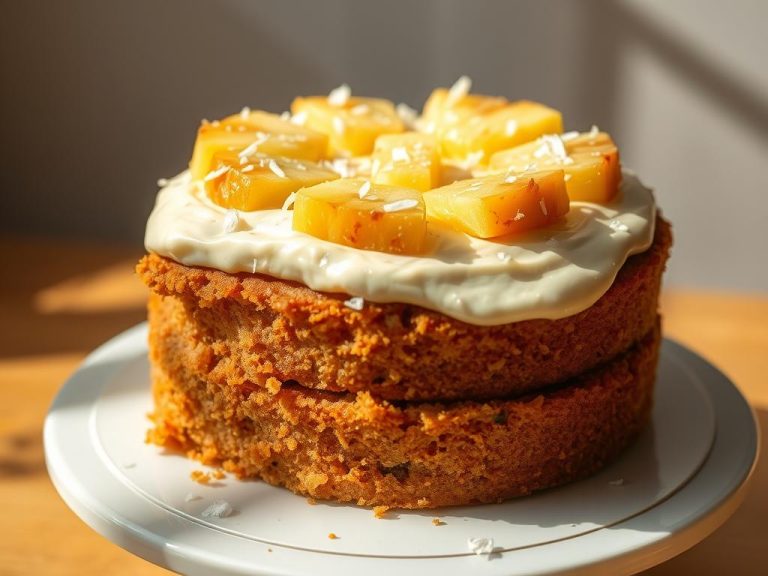
Food blogs have become more than recipe repositories—they are vibrant communities, digital cookbooks, and even thriving businesses. From showcasing cherished family recipes to exploring global cuisines, food blogging offers a creative outlet with the potential to influence tastes, inspire home cooks, and generate income. But building a successful food blog from scratch requires more than good recipes; it takes branding, strategy, and consistency.
If you’re dreaming of launching a food blog that stands out in a crowded digital space, here’s how to start building your brand, plate by plate and post by post.
The first step in creating a successful food blog is clarity. Ask yourself: what will set your blog apart? The food blogging world is vast, but audiences are drawn to unique perspectives. Consider niches such as:
Plant-based or vegan recipes
Quick meals for busy families
Global cuisines, such as Thai street food or Italian classics
Baking-focused content, from sourdough bread to decadent pastries
Wellness-driven recipes highlighting superfoods or allergen-friendly cooking
Beyond your niche, define your brand voice. Will your posts be conversational and lighthearted, or formal and instructional? A strong, consistent voice helps readers connect with your personality and keeps them coming back.
Step 2: Choose a Memorable Blog Name and Domain
Your blog’s name is like its storefront—it needs to be inviting and easy to remember. Ideally, it should reflect your niche or personality while being simple enough to stick in someone’s mind. Once you’ve settled on a name, secure a domain that matches it. Many successful food bloggers also align their blog name with social media handles to maintain brand consistency across platforms.
Step 3: Set Up a User-Friendly Website
Your website is the foundation of your food blog. Choose a platform that balances flexibility with ease of use, such as WordPress or Squarespace. When designing your site:
Prioritize clean, easy navigation. Readers should be able to find recipes or categories quickly.
Use high-quality visuals on your homepage and throughout posts.
Incorporate a recipe index for user convenience.
Ensure your site is mobile-friendly, since many readers will view it on their phones while cooking.
Consider your website design as part of your brand. Fonts, colors, and layouts should complement your blog’s personality and theme.
Step 4: Invest in Photography and Visuals
Food blogging is a visual medium. Great photography is often what convinces readers to try a recipe. Learn the basics of food styling, natural lighting, and composition to make your dishes shine. Over time, investing in a good camera or lighting equipment can elevate your content.
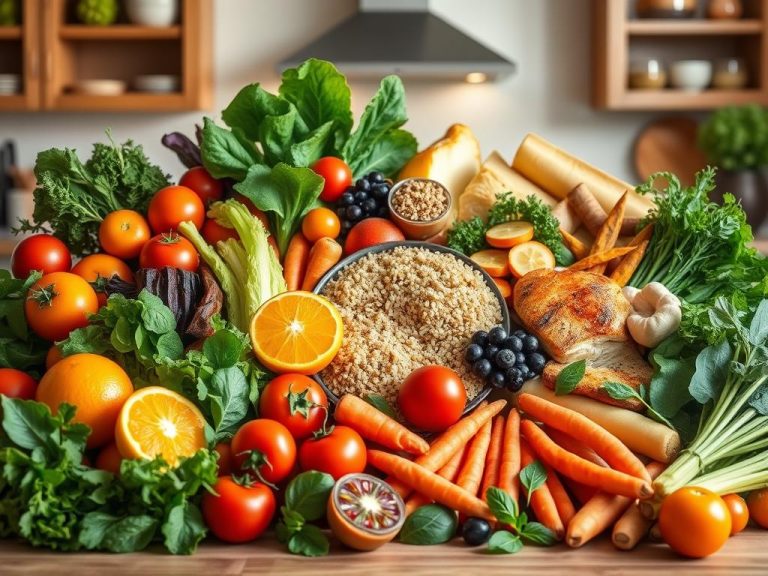
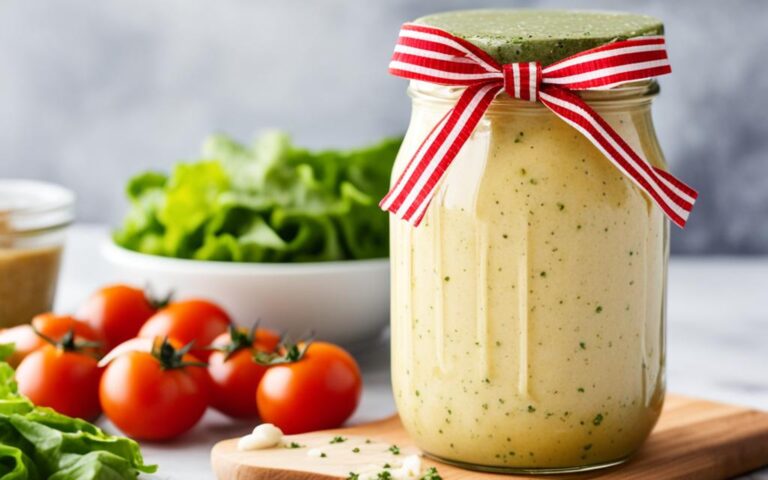
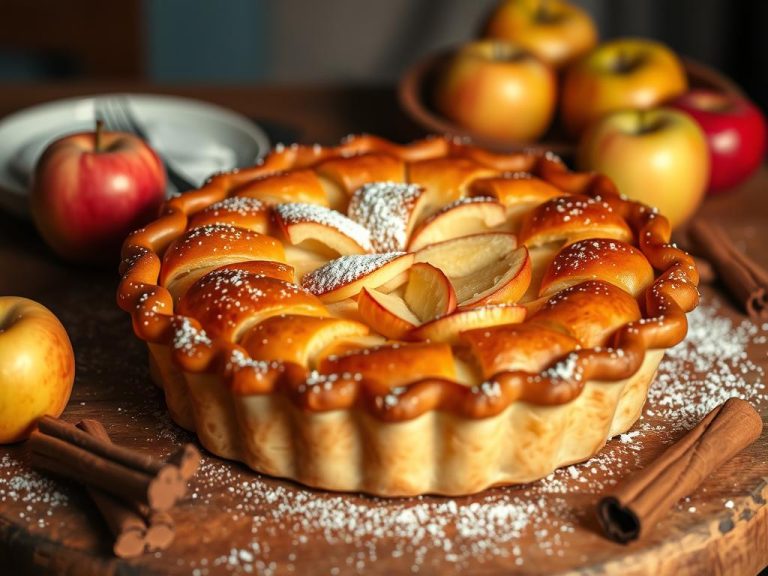
That said, you don’t need to photograph everything yourself. Thoughtfully selected stock photos can supplement your original photography in non-recipe posts, such as blog articles about kitchen organization or grocery shopping tips. When chosen carefully, these images add polish and variety while keeping your blog visually engaging.
Step 5: Create Quality, Consistent Content
Consistency builds trust. Decide how often you can realistically publish—whether it’s once a week or twice a month—and stick to it. Each post should deliver value, whether that’s a recipe, cooking tip, or food story.
To make your content shine:
Write clear, step-by-step instructions.
Share personal anecdotes to add personality and relatability.
Include useful tips, like substitutions or storage suggestions.
Optimize posts with keywords to improve search engine rankings.
Remember, quality matters more than quantity. A handful of polished, engaging posts will resonate more than dozens of rushed ones.
Step 6: Learn SEO Basics
Search Engine Optimization (SEO) helps your blog get discovered. Incorporating SEO best practices ensures your recipes appear in search results when people are looking for inspiration. Focus on:
Keyword research: Find terms people search for, like “easy gluten-free bread.”
Optimized headlines: Use keywords in titles and subheadings.
Meta descriptions: Write compelling summaries that encourage clicks.
Internal links: Connect related recipes and posts.
Image optimization: Use descriptive file names and alt text.
SEO may feel overwhelming at first, but learning the basics will help your blog grow organically over time.
Step 7: Promote Your Blog on Social Media
Social media is a powerful driver of traffic for food blogs. Platforms like Instagram, TikTok, Pinterest, and Facebook thrive on food content. Share mouthwatering images, quick cooking videos, or behind-the-scenes glimpses to engage your audience.
Pinterest, in particular, is valuable for food bloggers. Its visual search engine format makes it ideal for sharing recipe graphics that link directly to your blog. Regular pinning and visually appealing graphics can generate long-term traffic.
Step 8: Build an Email List
An email list gives you direct access to your audience, free from social media algorithms. Start building your list early by offering a free resource, like a mini eBook, meal plan, or printable shopping list, in exchange for email signups.
Use your newsletter to:
Share new blog posts and recipes
Provide exclusive tips or behind-the-scenes stories
Foster a sense of community with your readers
Email marketing helps you maintain consistent engagement and encourages repeat visits.
Step 9: Monetize Your Blog
Once your blog gains traction, you can explore monetization opportunities:
Ads. Display ads on your site for passive income.
Sponsored content. Collaborate with food brands on recipes or product features.
Affiliate marketing. Recommend products and earn a commission from sales.
eBooks or courses. Package your expertise into digital products.
Memberships. Offer exclusive recipes or content for paying subscribers.
Monetization takes time, but with a loyal audience and consistent content, your food blog can become a sustainable business.
Step 10: Build Community and Engagement
The most successful food blogs thrive on community. Encourage readers to leave comments, share photos of recipes they’ve tried, and connect with you on social media. Respond to questions and feedback—it shows readers you value their participation.
You can also collaborate with other bloggers or creators. Guest posts, recipe roundups, and joint social campaigns introduce you to new audiences while strengthening your network.
Overcoming Common Challenges
Starting a food blog comes with hurdles, but none are insurmountable:
Time management. Blogging requires juggling cooking, photography, writing, and promotion. Create workflows and plan content in batches to save time.
Technical skills. Don’t let a lack of web design or SEO knowledge hold you back. Plenty of tutorials and communities can guide you.
Imposter syndrome. The food blogging space is competitive, but remember: your unique voice and perspective are what make your blog special.
Every successful blogger started as a beginner. The key is persistence and a willingness to learn.
The Long-Term Payoff
Building a food blog from scratch is a journey, not a sprint. It takes effort to establish your brand, grow your audience, and create valuable content. But the rewards—both personal and professional—are worth it. Food blogging allows you to share your passion, connect with others, and potentially turn a creative hobby into a thriving business.
Over time, your blog can become more than just a collection of recipes. It can serve as a trusted resource, a storytelling platform, and even a springboard for opportunities like cookbook deals, brand partnerships, or speaking engagements.
Final Thoughts
Starting a food blog from scratch is like baking bread—you need the right ingredients, patience, and consistency. By defining your niche, investing in visuals, creating valuable content, and building community, you can grow your blog into a recognizable brand.
Remember that success isn’t just about traffic or income—it’s about the joy of sharing food, stories, and inspiration with others. Whether through your own carefully styled photography or the occasional use of thoughtfully chosen stock photos, your goal is to connect with readers in a way that feels authentic and engaging.
If you stay true to your voice and commit to the process, your food blog will rise, one post at a time—just like a perfectly baked loaf coming fresh out of the oven.