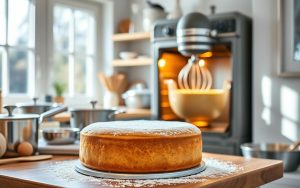
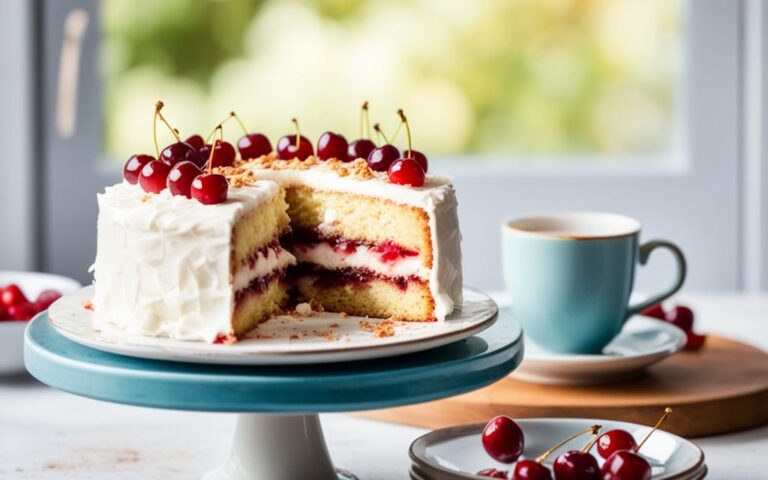
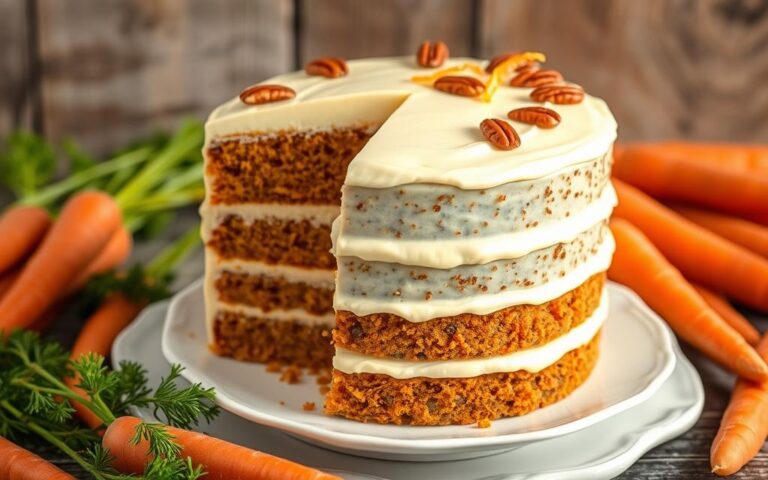
Whether you’re saving leftover cake after a big celebration or baking ahead for later, you might wonder about its shelf life. The key to maintaining freshness is proper storage.
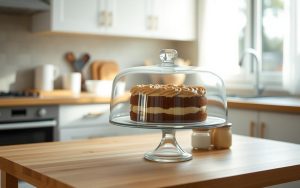
After the cake has cooled, it’s essential to seal it in an airtight container, such as a cake keeper or under a cake dome, or wrap it tightly with plastic wrap.
Different types of cakes have varying shelf lives in the fridge, depending on their ingredients and moisture content. Proper storage techniques can significantly extend the freshness of your cake.
The shelf life of a cake depends on various factors that affect its freshness and overall quality. Different types of cakes have varying lifespans due to their unique ingredients and preparation methods.
Factors That Affect Cake Freshness
Several key factors influence how long a cake remains fresh. These include the type of ingredients used, the storage conditions, and how the cake is handled. Ingredients play a crucial role in determining the cake’s shelf life.
The Role of Ingredients in Cake Longevity
The ingredients used in a cake significantly impact its longevity. For instance, cakes made with dairy products or butter frostings tend to spoil faster than plain sponge cakes. Specialty ingredients like alcohol can act as preservatives, extending the shelf life of certain desserts.
Eggs, milk, and butter introduce perishable elements that affect a cake’s deterioration rate.
Frostings with dairy products have shorter shelf lives than sugar-based alternatives.
Cakes made with oil stay moist longer due to oil’s resistance to hardening at refrigerator temperatures.
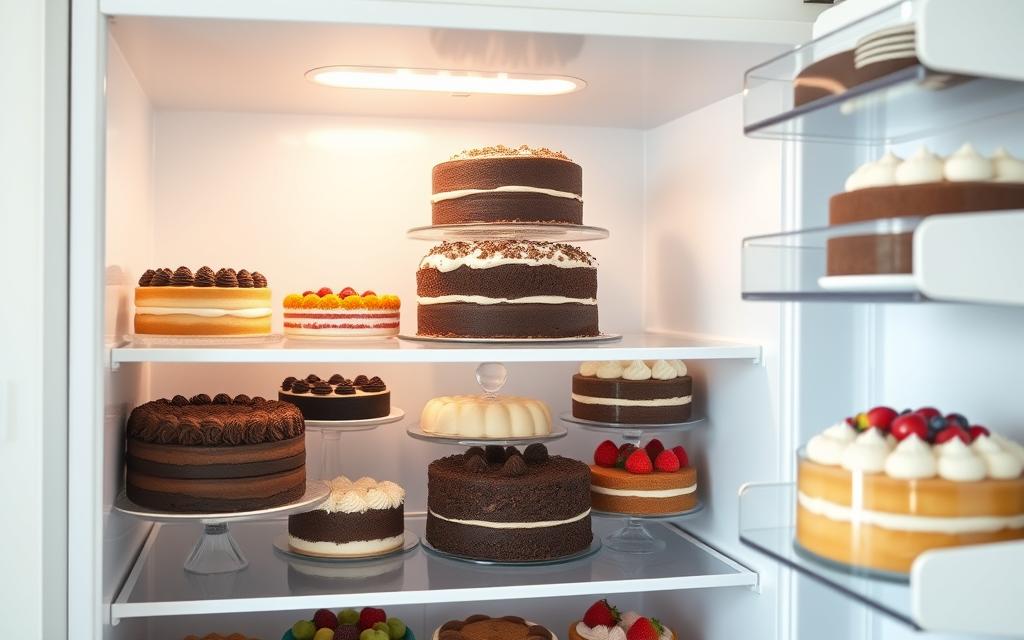
How Long Does Cake Last in the Fridge?
Different types of cakes have distinct shelf lives when stored in the refrigerator. The longevity of cake in the fridge is significantly influenced by its ingredients and how it is stored.
Plain Unfrosted Cakes
Plain unfrosted cakes generally have a longer shelf life compared to their frosted counterparts. They can typically last up to 5 days in the fridge, maintaining their freshness and texture.
Frosted Cakes
Frosted cakes, especially those with cream cheese or mascarpone frosting, require refrigeration. They should be consumed within 3 to 4 days. Cakes topped or filled with whipped cream, custard, or curd can last 3 to 5 days in the fridge.
Cakes with Perishable Fillings
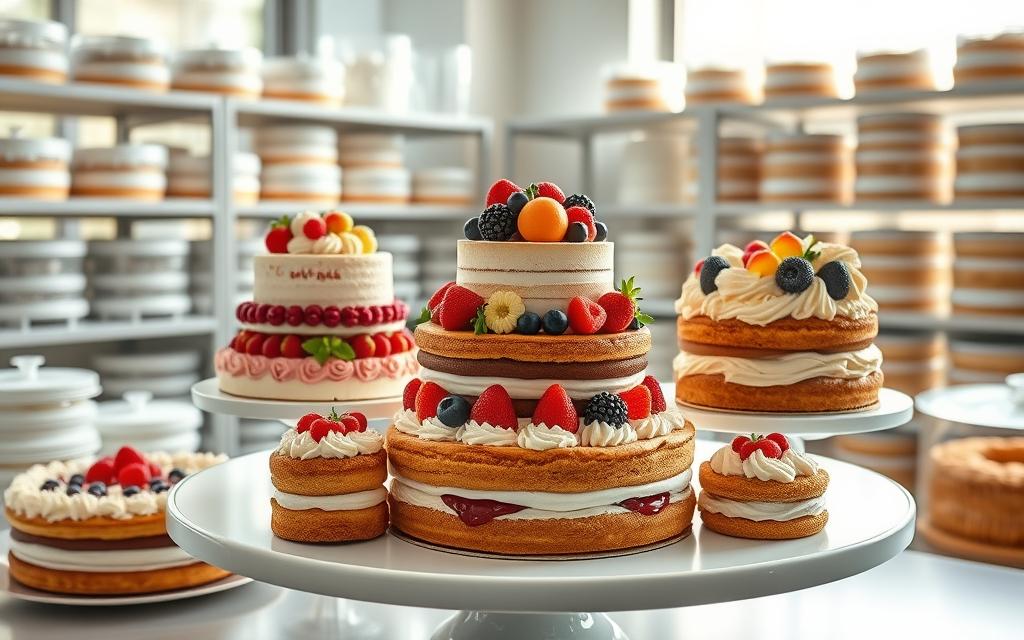
Cakes containing perishable ingredients like fresh fruit or jam should be refrigerated and consumed within 3 to 5 days. It’s crucial to store these cakes properly to maintain their freshness and safety.
Room Temperature vs. Refrigeration
The decision to store cake at room temperature or in the fridge depends on several factors, including the type of cake and its ingredients. The storage method can significantly impact the cake’s freshness and safety.
When to Keep Cake at Room Temperature
Cakes that are plain, unfrosted, or frosted with a non-perishable frosting can typically be stored at room temperature. However, it’s essential to keep them away from direct sunlight and heat sources. Topped or filled with fresh fruit or jam, cakes can last for 1 to 2 days at room temperature. It’s crucial to monitor the cake’s condition and store it in the fridge if you notice any signs of spoilage.
When Refrigeration Is Necessary
Cakes containing cream cheese or mascarpone in the cake or frosting should not be stored at room temperature. Instead, they can be stored in the fridge for 3 to 4 days. Similarly, cakes topped or filled with whipped cream, custard, or curd require refrigeration and can last for 3 to 5 days. If your cake incorporates multiple components, it’s best to follow the storage guidelines for the most perishable ingredient. For instance, a cake with a lemon curd filling should be stored in the fridge for no more than 5 days.
Proper Cake Storage Techniques
Proper cake storage is crucial for maintaining its freshness and appearance. The right storage method can make a significant difference in how long your cake lasts and how it looks when you’re ready to serve it.
Storing Whole Cakes
When storing whole cakes, it’s essential to keep them in an airtight container to prevent drying out. You can use plastic wrap or aluminum foil to cover the cake, making sure to seal it tightly around the edges. This airtight seal helps to lock in moisture and keep the cake fresh.
Storing Cake Slices
For cake slices, wrap each slice individually in plastic wrap or aluminum foil. This prevents them from drying out and absorbing odors from other foods in the fridge. Place the wrapped slices in an airtight container or a resealable bag to store them.
Protecting Frosting and Decorations
To protect the frosting and decorations on your cake, use parchment paper or wax paper to create a barrier between the cake and the wrapping material. You can also create a ‘tent’ with plastic wrap or aluminum foil to cover the cake without touching the frosting. For delicate decorations, consider using a cake carrier or an inverted bowl to provide extra protection.
Freezing Cake for Maximum Longevity
Freezing is a simple and effective way to keep cake fresh for longer. Whether you’re dealing with a leftover cake or preparing for a future event, freezing can help maintain the cake’s quality.
Freezing Different Cake Types
Different types of cakes can be frozen, but the method may vary. For instance, a layer cake can be frozen whole or in slices. To freeze, wrap the cake tightly in plastic wrap or aluminum foil and place it in a freezer-safe bag. Freezing techniques can be similar to those used for other desserts, like cheesecake batter. When freezing chocolate cakes, consider wrapping individual slices for easier thawing.
Thawing Frozen Cake
To thaw frozen cake, it’s essential to do so gradually to maintain its texture and taste. The ideal method involves thawing the cake in the refrigerator overnight, still wrapped, to prevent condensation. The next day, remove the wrapping and let the cake come to room temperature before serving. For individual slices, thawing can be quicker, typically taking 1-2 hours in the refrigerator. The time it takes to thaw will depend on the size and type of cake.
Cake Type
Thawing Time
Notes
Whole Cake
8-12 hours
Thaw in refrigerator overnight
Individual Slices
1-2 hours
Thaw in refrigerator
Dense Chocolate Cake
Longer than sponge cakes
May require additional time to thaw
Signs Your Cake Has Gone Bad
It’s essential to know the signs that indicate your cake has gone bad to ensure food safety and quality.
Visual Indicators
Visual inspection is a crucial step in determining cake freshness. If your cake has changed colors, such as yellowing of the frosting, it’s a sign that it may be going bad. Cakes with crumbly or scraggly edges or those that shed when cut may have dried out.
Smell and Texture Changes
Cakes that develop an off odor or sour smell should be discarded immediately, as this indicates bacterial growth. Significant texture changes, such as becoming slimy, excessively soggy, or unusually sticky, are clear indicators that the cake is no longer safe to eat. Fruit-filled cakes showing signs of fermentation, like bubbling or an alcohol smell, should also be discarded.
When to Discard Cake
Always discard cake at the first sign of mold growth, regardless of how small the affected area appears. When in doubt about a cake’s safety, particularly if it’s been stored longer than recommended, it’s always safer to discard it to avoid foodborne illness.
Tips to Extend Your Cake’s Freshness
Keeping your cake fresh requires attention to detail and the right methods. To make the most of your baked goods, consider the following strategies.
Moisture Control Techniques
Controlling moisture is crucial to maintaining cake freshness. Store your cake in an airtight container to prevent drying out or absorbing odors from the fridge. You can also wrap it tightly in plastic wrap or aluminum foil. For frosting, use a barrier like parchment paper to prevent it from sticking to the wrapping.
Creative Ways to Use Leftover Cake
Don’t let leftover cake or slices go to waste. Transform them into new treats like cake pops by crumbling the cake, mixing it with frosting, and forming into balls on sticks. You can also create a trifle by layering cake pieces with custard, fruit, and whipped cream, or blend cakeslices with ice cream for a delicious milkshake that gives new life to leftover cake, making it last longer in your fridge.
Conclusion
After exploring the various aspects of cake storage, it’s clear that proper techniques can significantly extend its freshness. Understanding how long cake lasts in the fridge requires considering multiple factors, including cake type, ingredients, and storage methods. Different cake types have varying refrigerator lifespans: unfrosted cakes last 5-7 days, while buttercream-frosted cakes last about 3-5 days, and cakes with perishable fillings only 2-3 days.
By implementing the storage techniques outlined in this guide, you can maximize your cake’s freshness and minimize waste. Proper storage techniques, such as using airtight containers and plastic wrap, are essential for preservation. When refrigeration isn’t ideal, freezing offers an excellent alternative that can extend cake life for months rather than days.
By recognizing signs of spoilage and creatively repurposing leftover cake, you can enjoy your cake over a longer period. Whether you’re storing leftover birthday cake or preparing components in advance, these guidelines help ensure your cake remains safe and delicious for as long as possible.
FAQ
What is the best way to store a cake to maintain its freshness?
To keep a cake fresh, store it in an airtight container at room temperature or in the fridge, depending on the type of cake and its ingredients. For unfrosted cakes, wrapping them tightly in plastic wrap is also a good option.
Can I store a cake with buttercream frosting at room temperature?
Cakes with buttercream frosting can typically be stored at room temperature for a short period, such as a day or two, but it’s recommended to refrigerate them to prevent the frosting from melting or becoming too soft.
How do I store a cake with cream cheese frosting?
Cakes with cream cheese frosting should be refrigerated due to the perishable nature of the frosting. Make sure to store it in an airtight container to prevent drying out.
Can I freeze a cake to extend its shelf life?
Yes, freezing is a great way to extend the shelf life of a cake. Wrap the cake tightly in plastic wrap or aluminum foil and store it in a freezer-safe bag or container. When you’re ready to serve, thaw the cake in the fridge or at room temperature.
What are the signs that a cake has gone bad?
Check for visual indicators such as mold, sliminess, or an off-color appearance. Also, be aware of any unusual smell or texture changes, as these can be signs that the cake is no longer fresh.
Can I store cake slices in the fridge?
Yes, you can store cake slices in the fridge. Wrap each slice individually in plastic wrap or aluminum foil and store them in an airtight container to maintain freshness.
How can I prevent my cake from drying out?
To prevent a cake from drying out, store it in an airtight container and keep it away from direct sunlight and heat sources. You can also use moisture control techniques such as wrapping the cake in plastic wrap or aluminum foil.