What is Cake Flour? Definition, Characteristics, and Uses
Cake flour is a type of flour that is milled to a fine texture and has a lower protein content compared to all-purpose flour. This characteristic makes it ideal for baking delicate treats.
The low protein content, typically around 5-8%, results in a tender texture in baked goods. In this comprehensive guide, we’ll explore the definition, unique characteristics, and specific uses of cake flour in baking. We’ll examine why it produces superior results in certain recipes and when it’s essential versus optional.
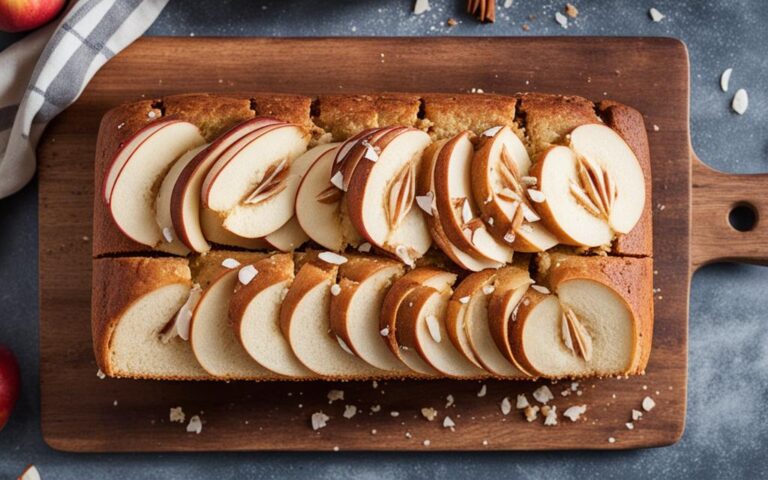
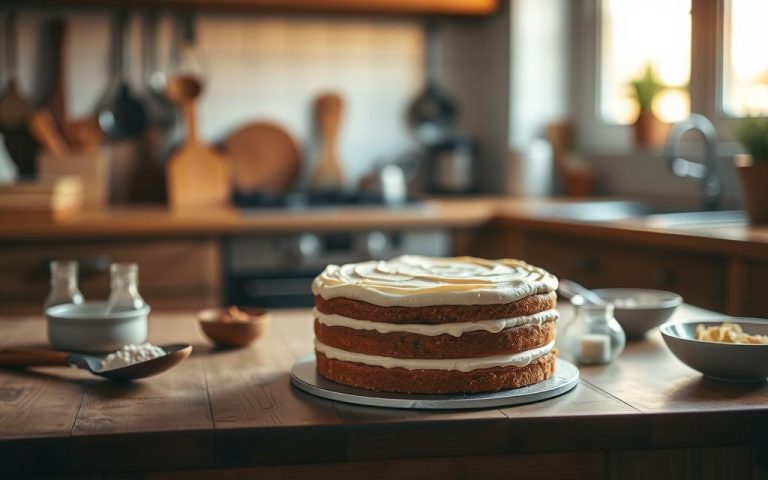
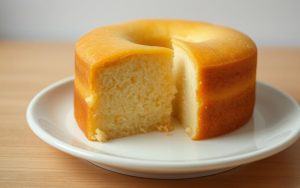
For another cake option, cake flour inside is worth trying.
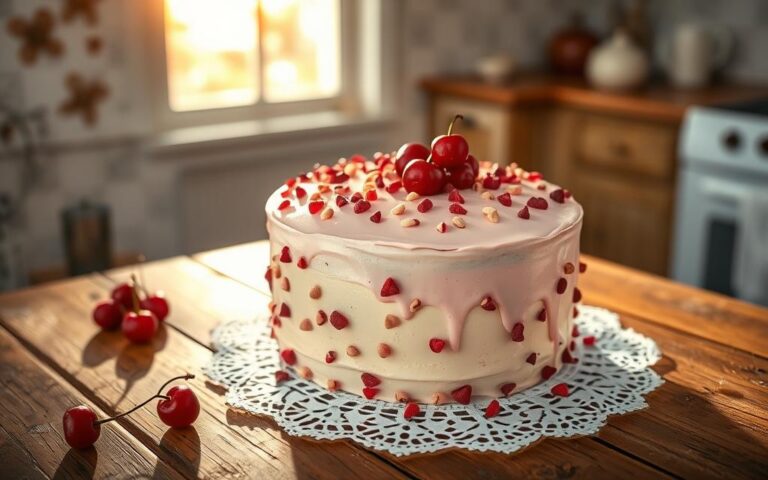
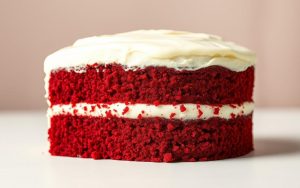
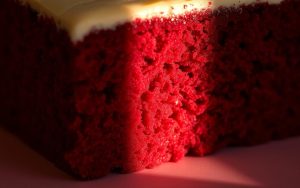
For another cake option, red velvet cake is worth trying.
By understanding the science behind cake flour‘s performance and comparing it to other types of flour, you’ll learn when and why to use it in your baking projects.
What is Cake Flour?
Cake flour stands out in the realm of baking due to its unique characteristics and production process. It is a type of flour that is finely milled and has a low protein content, making it ideal for delicate baked goods.
Related Posts:

Definition and Origin
Cake flour is defined by its low protein content, typically around 6-8%, which is significantly lower than other types of flour. It originates from soft wheat varieties that naturally contain less protein, making them perfect for producing tender and fine-textured baked products.
The origin of cake flour is closely tied to the development of soft wheat cultivation, which has been refined over time to meet the demands of bakers.
How Cake Flour is Made
The production of cake flour begins with the selection of soft wheat varieties that are naturally low in protein. The manufacturing process involves multiple stages of fine milling to achieve the characteristic powdery texture of cake flour.
Most commercial cake flour undergoes bleaching, which not only whitens the flour but also alters its protein structure, further inhibiting gluten formation when used in baking. The end result is a high-quality cake flour suitable for various baking products.
The Science Behind Cake Flour
The science behind cake flour involves a complex interplay of protein content, gluten formation, and milling techniques. Cake flour, known for its fine texture and low protein content, is designed to produce tender and delicate baked goods.
Protein Content and Gluten Formation
Cake flour’s low protein content, typically around 6-8%, is crucial in minimizing gluten formation. Gluten formation can lead to a tougher crumb, which is undesirable in cakes and pastries. The reduced protein level ensures that the flour doesn’t develop a strong gluten network when mixed with liquids, resulting in a tender and fine texture.
As Julia Child once said, “The only time to eat diet food is while you’re waiting for the steak to cook.” This quote highlights the importance of using the right ingredients, like cake flour, to achieve culinary excellence.
Milling Process and Texture
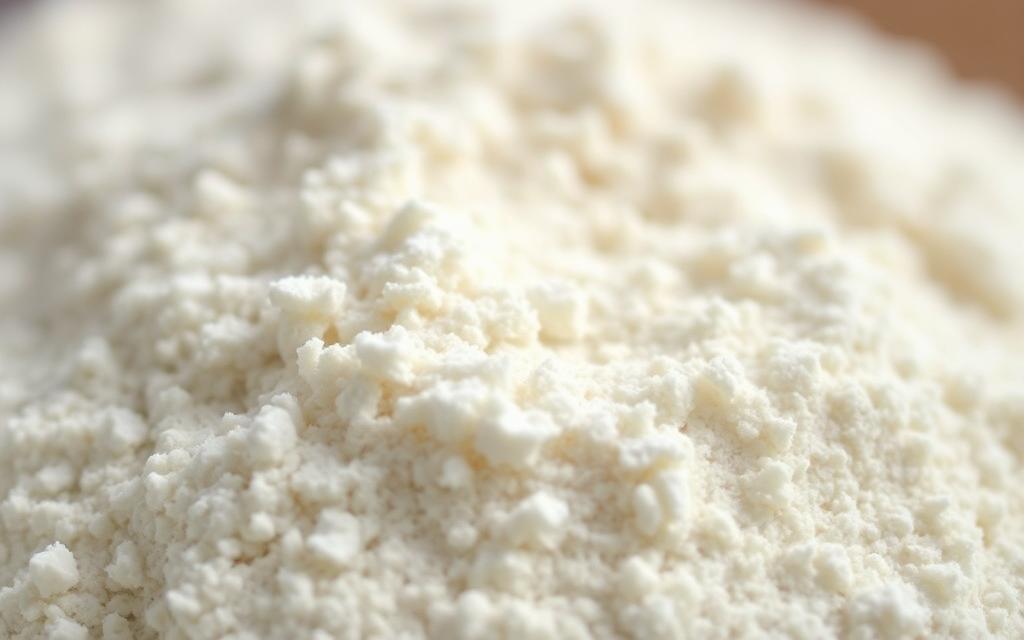
The milling process for cake flour is more intensive than for other types of flour, breaking down the wheat into exceptionally fine particles. This fine milling contributes to cake flour’s silky texture and its tendency to form clumps that require sifting before use.
The smaller particle size increases the flour’s surface area, affecting how it absorbs liquids and fats in batters. As a result, cake flour produces baked goods with a delicate crumb structure.
In summary, the unique properties of cake flour are a result of its low protein content and fine milling process, making it an essential ingredient for achieving tender and delicate baked goods.
Characteristics of Cake Flour
Understanding the characteristics of cake flour is crucial for achieving the perfect texture in baked goods. Cake flour is known for its unique properties that distinguish it from other types of flour.
Texture and Appearance
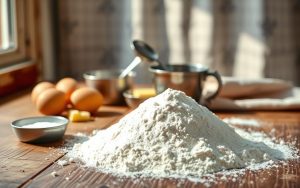
Cake flour has a fine texture and a soft, silky appearance. This is due to the milling process used to produce it, which results in a more delicate flour.
Bleached vs. Unbleached Cake Flour
Cake flour can be either bleached or unbleached. Bleaching affects the flour’s color and baking performance. Learn more about the differences between bleached and unbleached.
Protein Content Comparison
The protein content of cake flour is significantly lower than other types of flour. Here’s a comparison:
| Flour Type | Protein Content |
|---|---|
| Bread Flour | 12-15% |
| All-purpose Flour | 9-12% |
| Pastry Flour | 9% |
| Cake Flour | 6-8% |
The protein content in cake flour directly affects its gluten-forming potential and is a key factor in determining its suitability for various recipes. To determine the protein content, you can divide the number of protein grams per serving by the total grams per serving.
Cake Flour vs. Other Flour Types
Cake flour stands out among other flour types due to its low protein content, which is essential for creating tender and delicate baked goods. Understanding the differences between cake flour and other types of flour is crucial for achieving the perfect texture in various baking applications.
Cake Flour vs. All-Purpose Flour
All-purpose flour is a versatile option that can be used for a wide range of baked goods, from cakes to bread. However, its protein content is generally higher than that of cake flour, making it less ideal for delicate cakes. Cake flour is preferred for cakes because it produces a tender crumb.
Cake Flour vs. Pastry Flour
Pastry flour has a protein content that falls between that of all-purpose flour and cake flour. It is suitable for making pastries, pie crusts, and other delicate baked goods. While both cake flour and pastry flour are used for tender baked goods, cake flour is finer and more suitable for cakes.
Cake Flour vs. Bread Flour
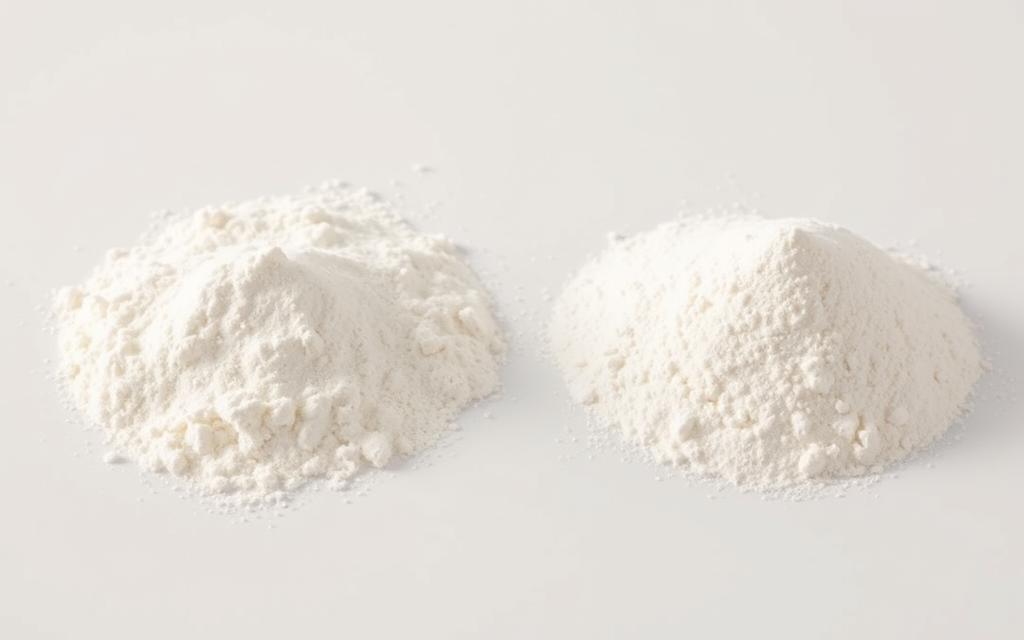
Bread flour has a significantly higher protein content compared to cake flour, typically ranging from 12-15%. This high protein content is necessary for developing strong gluten networks that provide structure and chewiness in yeast breads. Using cake flour in bread recipes would result in weak structure and poor rise due to insufficient gluten development. Conversely, using bread flour in cake recipes would create tough, chewy textures instead of a tender crumb.
| Flour Type | Protein Content | Best Use |
|---|---|---|
| Cake Flour | Low (6-8%) | Cakes, Delicate Baked Goods |
| All-Purpose Flour | Moderate (10-12%) | General Baking, Cakes, Cookies |
| Pastry Flour | Moderate (8-10%) | Pastries, Pie Crusts |
| Bread Flour | High (12-15%) | Yeast Breads, Chewy Baked Goods |
When to Use Cake Flour
Understanding when to use cake flour is crucial for achieving the perfect texture in baked goods. Cake flour’s low protein content makes it ideal for delicate baked goods that require a tender crumb.
Ideal Recipes for Cake Flour
Cake flour is perfect for recipes like angel food cake, sponge cakes, and other delicate cakes. Its fine texture and low protein content help to create a tender and soft crumb.
Some other ideal uses for cake flour include making tender and fluffy pancakes, certain types of cookies, and delicate pastries.
When Not to Use Cake Flour
Because of cake flour‘s low protein content, it is not recommended to use it when another type of flour is called for, even all-purpose flour. Baking is a science, and substituting cake flour can drastically affect the end result.
For instance, using cake flour in yeast bread recipes can lead to a poor structure and rise. Similarly, recipes that require chewy textures, like bagels and pretzels, need stronger flours with more protein.
| Recipe Type | Recommended Flour | Why Not Cake Flour |
|---|---|---|
| Yeast Bread | Bread Flour | Lacks protein for structure and rise |
| Bagels, Pretzels | All-Purpose or Bread Flour | Needs higher protein for chewy texture |
| Pasta Dough | All-Purpose or Semolina Flour | Insufficient protein content |
By choosing the right type of flour for your recipe, you can ensure that your baked goods turn out as expected.
How to Substitute Cake Flour
When a recipe calls for cake flour, but you don’t have it on hand, knowing how to substitute it can be a lifesaver. Cake flour is known for its fine texture and low protein content, which makes it ideal for delicate baked goods like cakes and cupcakes.
Making a DIY Cake Flour Substitute
To make a substitute for cake flour, you can use all-purpose flour and cornstarch. The process involves removing a portion of the all-purpose flour and replacing it with cornstarch to mimic the lower protein content of cake flour. Specifically, you can mix 1 cup of all-purpose flour minus 2 tablespoons with 2 tablespoons of cornstarch. This blend can serve as a decent substitute in a pinch.
Results of Using Substitutes vs. Real Cake Flour
While the DIY cake flour substitute can work in many recipes, the results may vary slightly from using the real thing. Baked goods made with the substitute might have a slightly different texture; they can be more crumbly or have a gritty feel due to the cornstarch. As one baker noted, “Using the DIY cake flour technique, these cupcakes turned out visually more like the control/all-purpose flour cupcakes than the cake flour cupcakes.” The texture was described as “more crumbly and had an almost gritty texture” attributed to the cornstarch.
“For critical recipes where cake flour is specified, the real product will consistently produce superior results to any substitute.” This highlights the importance of using the correct type of flour for the best outcomes in baking.
- The cornstarch method may alter the texture, making baked goods more crumbly or gritty.
- Visual differences can be subtle, but experienced bakers can detect variations in crumb structure and tenderness.
- For the best results, it’s recommended to use actual cake flour when it’s called for in a recipe.
Tips for Baking with Cake Flour
Mastering the use of cake flour in your baking can elevate your creations to a new level. To get the most out of this versatile ingredient, it’s crucial to understand its unique characteristics and how to handle it properly.
Measuring and Sifting
Accurate measurement and sifting are critical when working with flour. To ensure your baked goods turn out light and fluffy, sift the cake flour before measuring it. This step helps to aerate the flour, removing any lumps and ensuring it’s evenly textured.
- Sift cake flour before measuring to remove lumps and aerate.
- Use a digital scale for accurate measurement.
- Gently spoon the sifted flour into your measuring cup.
Storage and Shelf Life
Proper storage is key to maintaining the freshness of your flour. To store cake flour effectively, keep it in an airtight container in a cool, dry place. This will help prevent moisture absorption and extend its shelf life.
- Store cake flour in an airtight container.
- Keep it in a cool, dry place to prevent moisture absorption.
- Check for freshness before use by smelling for any off odors.
Conclusion
Cake flour stands out as a vital ingredient for achieving professional-quality baked goods, especially in delicate cake recipes. Its low-protein formulation is key to creating tender, fine-textured cakes with an even crumb. While substitutes can be used in a pinch, cake flour remains the top choice for bakers seeking professional-quality results. Understanding when and how to use flour effectively can significantly elevate your baking outcomes. By incorporating cake flour into your recipes, you can achieve a finer crumb and more tender cakes, making it an essential pantry staple for any serious baker.
FAQ
What is the main difference between cake flour and all-purpose flour?
The primary difference lies in their protein content. Cake flour has a lower protein content, typically around 6-8%, whereas all-purpose flour has a protein content of 10-12%. This affects the texture and structure of baked goods.
Can I substitute cake flour with all-purpose flour in recipes?
Yes, you can substitute, but it’s recommended to adjust the ratio. To make a substitute, remove 2 tablespoons of all-purpose flour from 1 cup and replace it with 2 tablespoons of cornstarch. This helps to achieve a similar protein content and texture.
What happens if I use bread flour instead of cake flour?
Using bread flour, which has a higher protein content, will result in a denser and chewier texture, unlike the tender crumb cake flour provides. It’s best to use the type of flour specified in the recipe for optimal results.
How do I store cake flour to maintain its quality?
Store cake flour in an airtight container in a cool, dry place. It’s best to use it within 6-12 months. Sifting before use can also help to ensure the flour is well aerated and evenly textured.
Can I make angel food cake with all-purpose flour instead of cake flour?
While possible, using all-purpose flour may not yield the same light and airy texture as cake flour. Cake flour’s lower protein content and finer texture make it ideal for delicate baked goods like angel food cake.
Is unbleached cake flour better than bleached cake flour?
The choice between unbleached and bleached cake flour depends on personal preference and the recipe. Unbleached cake flour may have a slightly coarser texture and a more natural flavor, while bleached cake flour is often whiter and softer.
Can I use cake flour for recipes other than cakes?
Yes, cake flour can be used for other delicate baked goods, such as cookies, muffins, and pastries, where a tender texture is desired. However, it’s essential to consider the recipe’s requirements and adjust accordingly.