Cake Storage: How Long is Cake Good For in the Fridge?
After a celebration or baking ahead for a special occasion, the dilemma of cake storage and preservation often arises.
Proper storage techniques are crucial to maintaining the flavor, texture, and food safety of your cake. Different types of cakes have varying refrigeration requirements and shelf lives, making it essential to understand the best practices for storing your cake.
Storage questions like how long does cake last in the fridge are useful when planning ahead for leftovers.
This comprehensive guide will explore the factors that affect cake freshness, including ingredients, storage methods, and environmental conditions. For instance, cakes containing cream cheese or mascarpone last 3 to 4 days in the fridge, while frosted cakes with buttercream can be stored for up to a week. You can learn more about the specifics of cake storage by visiting King Arthur Baking. By the end of this guide, you’ll know how to store your cake to enjoy it for days or even weeks to come.
The Essentials of Cake Preservation
To keep your cake fresh for as long as possible, it’s crucial to understand the essentials of cake preservation. Proper storage and handling are vital to maintaining the quality and freshness of your cake.
Why Proper Storage Is Critical for Cake Quality
Different birthday cakes have different needs, and the components of your cake will impact how long it will last. Moisture is a primary concern in cake storage, as it can cause the cake to become too dry or soggy.
Related Posts:


Key Factors That Affect Cake Freshness
Several factors affect the freshness of cakes, including moisture content, temperature, and ingredients. Cakes with heavy ingredients like fudge sauce and thick jams have higher moisture content, leading to a quicker spoiling rate. For instance, a visit to this page can provide more insights into making the perfect cake. The type of flour, fat, and sugar used also impacts the natural shelf life. Moreover, environmental factors such as room temperature and humidity levels play a significant role in maintaining cake freshness.
How Long Is Cake Good For in the Fridge?
The shelf life of cake in the fridge depends on several factors, including the type of cake and its frosting. Different types of cakes have varying storage requirements and shelf lives.
Plain and Unfrosted Cakes
Plain and unfrosted cakes generally last longer than their frosted counterparts. When stored properly in an airtight container in the fridge, they can remain fresh for up to a week. It’s essential to wrap them tightly to prevent drying out.
Buttercream Frosted Cakes
Cakes with buttercream frosting can typically be stored in the fridge for 3-5 days. The buttercream acts as a barrier, helping to keep the cake moist. However, it’s crucial to store them in a covered container to prevent the frosting from absorbing odors from the fridge.
Cream Cheese Frosted Cakes
Cakes with cream cheese frosting require special attention due to the perishable nature of cream cheese. These cakes must be refrigerated and usually last for 5-6 days. It’s vital to keep them at a safe temperature to prevent spoilage. When serving, let the cake sit at room temperature for 20-30 minutes to optimize flavor and texture. Check for signs of spoilage, such as yellowing edges or a sour smell, and be aware that temperature fluctuations can affect the frosting’s stability.
Storage Duration for Specialty Cakes
Specialty cakes, with their diverse fillings and frostings, present unique challenges when it comes to storage and maintaining freshness. The type of filling or frosting used can significantly impact how long a cake remains fresh.
Cakes with Fresh Fruit or Jam Fillings
Cakes filled with fresh fruit or jam have a shorter shelf life due to the high moisture content of these fillings. Typically, they last for 2-3 days when stored in the refrigerator. It’s essential to keep them covered to prevent drying out.
Whipped Cream and Custard-Based Cakes
Cakes topped or filled with whipped cream or custard are more perishable. They usually last for 1-2 days in the refrigerator. The dairy content in these toppings makes them more susceptible to spoilage.
Store-Bought vs. Homemade Cake Shelf Life
Store-bought cakes generally have a longer shelf life than homemade cakes due to preservatives and specialized packaging. While store-bought cakes can last 5-7 days, homemade cakes typically last 3-5 days when refrigerated.
| Cake Type | Typical Shelf Life (Refrigerated) |
|---|---|
| Store-Bought Cake | 5-7 days |
| Homemade Cake | 3-5 days |
| Cakes with Fresh Fruit/Jam Fillings | 2-3 days |
| Whipped Cream/Custard-Based Cakes | 1-2 days |
Expert Techniques for Refrigerating Cake
The key to preserving cake lies in expert refrigeration techniques. To maintain the freshness and quality of your cake, it’s crucial to follow the right storage methods.
Proper Wrapping Methods to Prevent Drying
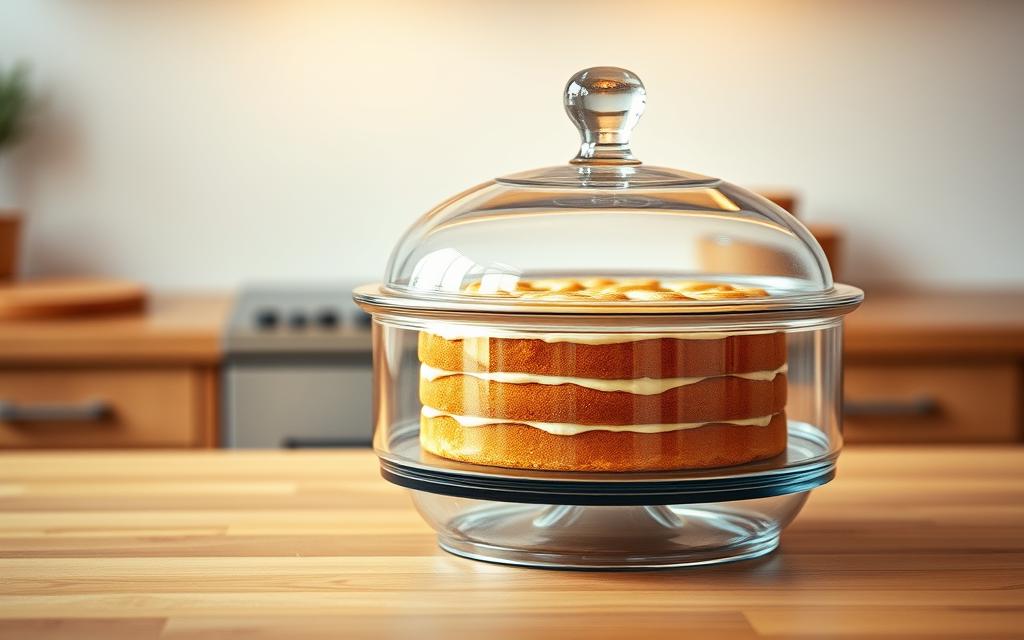
To prevent cake from drying out, it’s essential to keep it well covered. Using plastic wrap or a cake carrier with a lid can effectively slow down the moisture loss process. Ensuring the cake is tightly sealed will help preserve its texture and flavor.
Best Containers and Storage Solutions
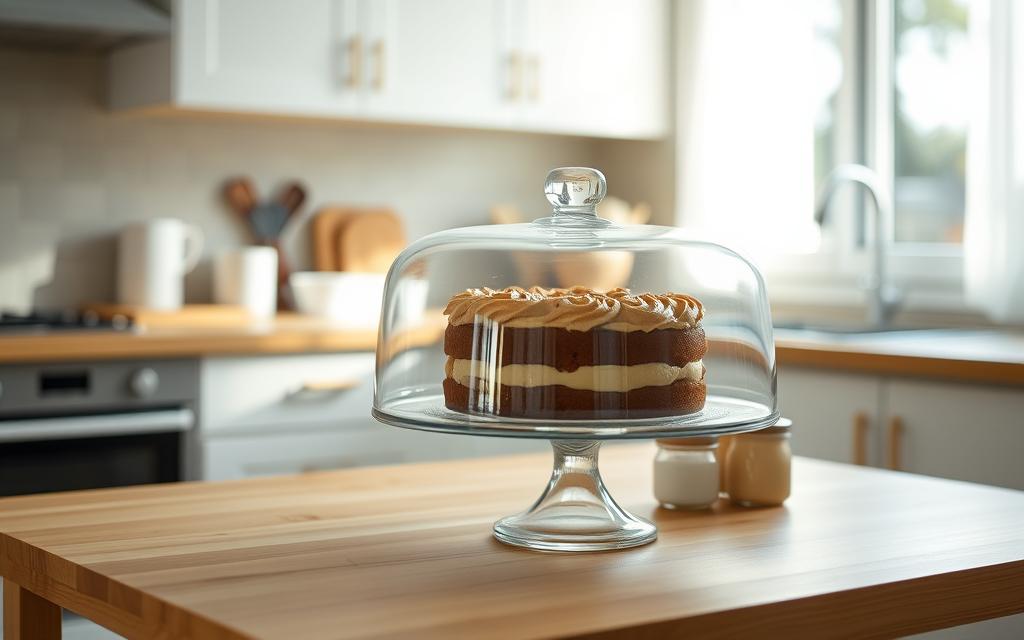
For optimal storage, consider using purpose-designed cake storage containers with airtight seals. These containers are designed to maintain the cake’s freshness. Additionally, cake carriers with adjustable height settings can accommodate different cake sizes, making them versatile. When storing individual cake slices, containers with separate compartments are ideal. Selecting the right container size minimizes air space around the cake, preserving its quality.
When to Refrigerate vs. Store at Room Temperature
The choice between refrigerating cake and leaving it at room temperature is influenced by its ingredients and fillings. Cakes with different components have varying storage needs to maintain freshness and safety.
Cakes That Can Stay at Room Temperature
Cakes without perishable fillings or frostings, such as those with buttercream or powdered sugar glazes, can typically be stored at room temperature. This is ideal for maintaining the cake’s texture and flavor. However, it’s essential to store them in a cool, dry place, away from direct sunlight.
When Refrigeration Is Absolutely Necessary
Cakes containing perishable ingredients like cream cheese, whipped cream, custard, or fresh fruit must be refrigerated. Leaving these at room temperature can lead to bacterial growth, especially in the temperature danger zone between 40°F and 140°F. Refrigeration is crucial in warm and humid environments.
| Cake Type | Storage Recommendation |
|---|---|
| Cakes with cream cheese frosting | Refrigerate |
| Cakes with buttercream frosting | Room Temperature |
| Cakes with fresh fruit or whipped cream | Refrigerate |
Freezing Cake for Long-Term Freshness
Freezing cake is an excellent method for maintaining its freshness over an extended period. This technique is particularly useful for preserving cakes that are not immediately consumed or for special occasions. By freezing cake, you can enjoy it at a later time without compromising its quality.
Step-by-Step Guide to Freezing Whole Cakes and Slices
To freeze a whole cake or slices, it’s essential to follow a few simple steps. First, ensure the cake is completely cooled. For frosted cakes, chill them in the refrigerator for at least 30 minutes to firm up the frosting. Then, wrap the cake or slices tightly in plastic wrap or aluminum foil. For added protection, place the wrapped cake in a freezer-safe bag or airtight container. Label the contents and date, and store in the freezer for up to one month.
Proper Thawing Methods for Optimal Taste and Texture
When you’re ready to enjoy your frozen cake, proper thawing is crucial. To thaw, place the wrapped cake in the refrigerator overnight. This slow thawing process helps prevent moisture loss and preserves the cake’s texture. The next day, remove the wrapping and let the cake come to room temperature before serving. For individual slices, unwrap and thaw in the refrigerator until soft, then let warm up slightly at room temperature.
| Thawing Method | Time | Benefits |
|---|---|---|
| Refrigerator Thawing | 8-12 hours | Prevents moisture loss, preserves texture |
| Room Temperature Thawing | 1-2 hours | Allows for final temperature adjustment |
It’s also worth noting that some frostings may separate or change texture during thawing. To address this, you can re-whip or re-stir the frosting to restore its original consistency. Additionally, if the cake’s texture or flavor is affected, a light brushing with simple syrup can help refresh it.
How to Tell If Your Cake Has Gone Bad
To avoid foodborne illness, it’s crucial to know the signs of a spoiled cake. Your senses are the best tools for this task. Check if the cake smells off or has an unusual odor. Visible mold is another clear indicator; if you see it, discard the cake entirely, as mold penetrates beyond what’s visible on the surface.
For frosted cakes, gently inspect under the frosting, especially at the edges and between layers, where mold can hide. Different types of cakes may show spoilage differently, but common signs include texture changes and unusual discoloration. Even if mold isn’t visible, a sour or fermented smell can indicate bacterial growth.
- Check for off odors and visible mold.
- Inspect under the frosting for hidden mold.
- Be aware of texture changes and discoloration.
When in doubt, it’s always best to throw it out. Consuming spoiled cake can lead to foodborne illness, making it a risk not worth taking. So, how long does cake last in the fridge? It depends on the type of cake and storage conditions, but always check your cake regularly.
Conclusion
Ultimately, the freshness of your cake is directly related to how well you store it and the type of cakes you’re dealing with.
To summarize, different types of cakes have varying shelf lives when stored in the fridge. Proper storage techniques significantly extend the shelf life and maintain the quality of your cake. It’s crucial to consider the ingredients when determining the storage method. For instance, cakes with perishable components require refrigeration, while others can be stored at room temperature. Freezing is an excellent option for long-term storage. Always use your senses to evaluate the freshness of your cake before consuming it.
FAQ
What is the best way to store a cake to maintain its freshness?
To keep a cake fresh, it’s essential to store it in an airtight container. If the cake is frosted, make sure the container is large enough to accommodate the frosting without it getting squished. You can also wrap the cake tightly in plastic wrap or aluminum foil to prevent moisture from escaping.
Can I store a cake with cream cheese frosting in the fridge?
Yes, cakes with cream cheese frosting should be stored in the refrigerator to prevent the frosting from spoiling. However, be sure to bring the cake to room temperature before serving to ensure the best flavor and texture.
How do I store a cake with fresh fruit or jam fillings?
Cakes with fresh fruit or jam fillings are more perishable and should be stored in the refrigerator. Keep the cake in an airtight container to prevent the fruit from drying out or absorbing odors from other foods.
Can I freeze a cake to extend its shelf life?
Yes, freezing is an excellent way to extend the shelf life of a cake. Wrap the cake tightly in plastic wrap or aluminum foil and place it in a freezer-safe bag or container. When you’re ready to serve, simply thaw the cake at room temperature or in the refrigerator.
What are the signs that a cake has gone bad?
Check for visible signs of mold, slimy texture, or an off smell. If the cake has been stored improperly or has exceeded its shelf life, it’s best to err on the side of caution and discard it.
Can I store a cake at room temperature?
Some cakes, like those with buttercream frosting, can be stored at room temperature for a short period. However, it’s crucial to keep the cake away from direct sunlight and heat sources to prevent the frosting from melting.