How to Make a Cake from Scratch: A Step-by-Step Guide
Making a vanilla cake from scratch can be a rewarding experience, allowing you to control the quality of ingredients and customize flavors to your liking. Unlike relying on pre-packaged mixes, creating a cake from scratch ensures a superior taste and texture.
To achieve consistent results in cake baking, it’s essential to understand the fundamentals, including proper ingredient temperatures and mixing techniques. For a delicious vanilla cake recipe, start with high-quality ingredients like fresh butter, eggs, sugar, and vanilla extract. You can find more detailed tips on our 8-inch vanilla cake recipe page.
By following this step-by-step guide, both beginners and experienced bakers can refine their skills and create bakery-quality cakes at home. With practice, you’ll gain the confidence to bake the perfect homemade cake for any occasion.
The Art of Homemade Cake Baking
The art of baking a cake from scratch is a rewarding experience that combines creativity with culinary science. When you make a cake from scratch, you have complete control over the ingredients and their quality, allowing you to create a truly unique dessert.
Why Homemade Cakes Taste Better Than Box Mixes
Homemade cakes offer a superior flavor and texture compared to box mixes. This is because homemade cakes are made with high-quality ingredients like real vanilla extract and fresh butter, which create a more authentic taste profile. Unlike commercial cake mixes, homemade cakes don’t contain artificial preservatives or additives, resulting in a cleaner, more natural flavor. The ability to adjust the balance of ingredients in a homemade cake recipe also allows bakers to achieve different textures, from dense and moist to light and fluffy.
- Using real ingredients like butter and vanilla extract enhances the flavor.
- Avoiding artificial preservatives and additives results in a cleaner taste.
- Adjusting ingredient ratios allows for customization of texture.
Understanding the Science Behind Cake Baking
Understanding the science of cake baking involves recognizing how different ingredients interact. Flour provides structure, eggs add stability and moisture, sugar tenderizes, and leavening agents create rise. The baking process involves techniques like the creaming method, where butter and sugar are beaten until fluffy, incorporating air into the batter. This air expands during baking, creating a light, tender crumb structure. Proper ingredient temperature is also crucial, as room temperature ingredients incorporate more easily, creating a uniform batter that bakes evenly.
Related Posts:
Essential Ingredients for a Perfect Cake
The foundation of a perfect cake lies in its ingredients, which must be chosen with care. The quality of your cake is directly related to the quality of its ingredients, making it crucial to understand the role each ingredient plays.
Flour: All-Purpose vs. Cake Flour
Choosing between all-purpose flour and cake flour significantly impacts your cake’s texture. All-purpose flour produces a more robust structure with better flavor, while cake flour creates a more delicate crumb. Using all-purpose flour allows the flavors of butter and vanilla to come through better, resulting in a slightly more velvety crumb that remains moist.
Fats: Butter and Oil Combinations
A combination of butter and oil often yields the best results in cake recipes. Butter provides rich flavor, while a small amount of oil enhances moisture retention without weighing down the cake. Typically, 1-2 tablespoons of oil are sufficient to add a noticeable hint of extra moistness.
Sweeteners and Flavorings
Sugar is a standard ingredient in most cakes. While granulated sugar works just fine, superfine or caster sugar dissolves more readily in batters, especially when creaming with butter or whipping with eggs. Vanilla extract is another crucial ingredient, with high-quality extract making a noticeable difference in flavor.
Leavening Agents: Baking Powder and Eggs
Eggs serve multiple functions in cake batter, providing structure, adding moisture, and acting as leavening agents when whipped to incorporate air. Baking powder is the preferred leavening agent for most cake recipes, as it provides a more reliable rise than baking soda alone. Using the right amount of baking powder ensures proper lift and texture.
Kitchen Equipment You’ll Need
To bake a cake from scratch, you’ll need the right kitchen equipment to ensure a smooth and successful process. The quality of your equipment can significantly impact the final result of your cake.
Mixing Bowls and Measuring Tools
A large mixing bowl is necessary for combining ingredients without spillage, especially when folding flour into whipped egg mixtures that increase substantially in volume. Proper measuring tools are also essential for accurate results. Digital kitchen scales provide the most precise measurements for flour and other dry ingredients, while graduated measuring cups work well for liquids.
Cake Pans and Liners
Selecting the right cake pans significantly impacts baking success. Solid (non-springform) cake pans with straight sides are preferable for most layer cakes as they prevent thin batters from leaking. Lining cake pans with parchment paper on the bottom and greasing the sides thoroughly prevents sticking and makes removal much easier after baking.
Mixers: Stand vs. Hand Mixers
A stand mixer is ideal for cake baking as it provides consistent power and frees your hands, though a handheld electric mixer can also produce excellent results with a bit more effort and attention. The choice between a stand mixer and a hand mixer depends on your personal preference and the level of effort you’re willing to put into the mixing process.
How to Make a Cake from Scratch: Basic Vanilla Cake Recipe
The art of baking a perfect vanilla cake from scratch involves understanding the basics and following a tried-and-tested recipe. This section will guide you through the essential steps and ingredients needed to create a delicious homemade vanilla cake.
Ingredient List and Measurements
To start, you’ll need the following ingredients:
- ½ cup (113 g) unsalted butter softened to room temperature
- ½ cup (120 ml) avocado, canola or vegetable oil
- 1½ cups (300 g) granulated sugar
- 4 large eggs at room temperature
- 1 Tablespoon vanilla extract
- 3 cups (375 g) all-purpose flour
- 1 Tablespoon baking powder
- ½ teaspoon salt
- 1¼ cup (300 ml) buttermilk at room temperature
Having all ingredients measured and at room temperature is crucial for a smooth mixture.
Preparing Your Workspace and Pans
Preheat your oven to 350F (177C). Prepare two deep 8″ round cake pans by lining the bottoms with parchment paper and lightly greasing the sides. This step ensures that your cakes will release easily after baking. For more detailed guidance on preparing cake pans, you can refer to resources like this vanilla loaf cake recipe, which provides additional tips on cake preparation.
Mixing the Batter Properly
In the bowl of a stand mixer, cream together the butter, canola oil, and sugar until creamy and well-combined. Add eggs one at a time, beating until thoroughly combined after each addition. Stir in vanilla extract. In a separate bowl, whisk together flour, baking powder, and salt. Using a spatula, gently hand-mix alternate additions of flour mixture and buttermilk to the butter mixture, starting and ending with the flour mixture. This technique helps prevent over-mixing and ensures a tender crumb.
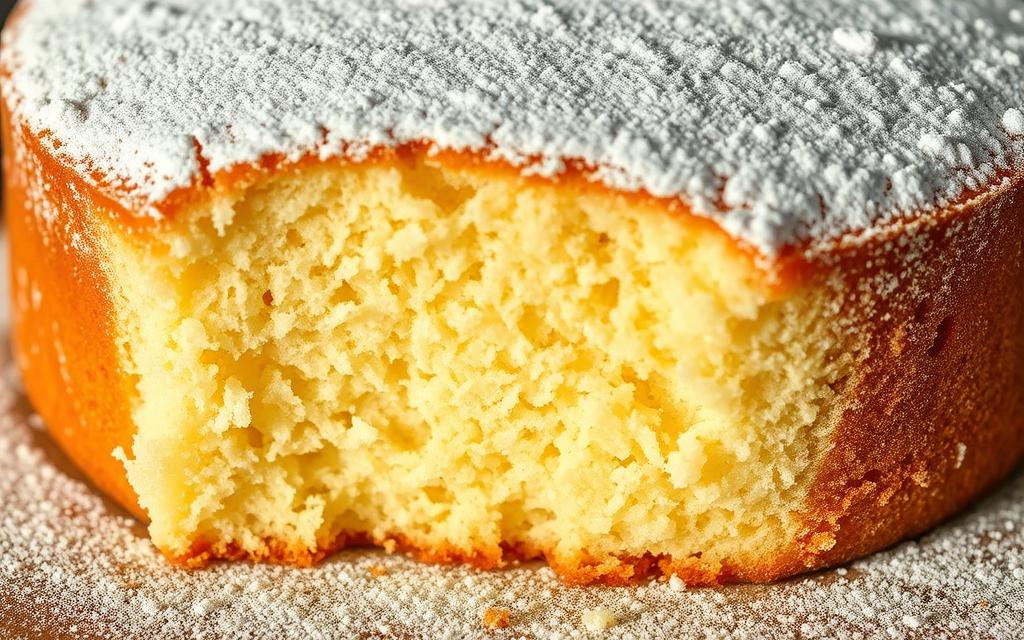
To make cake layers that are moist and fluffy, it’s essential to avoid over-mixing the batter. The finished batter should be smooth and pourable but not overly thin, with perhaps a few small lumps remaining. These lumps will bake out during the baking process, resulting in a perfectly textured vanilla cake.
The Baking Process
The baking process is crucial for achieving the perfect cake texture and flavor. To ensure your cake turns out as expected, it’s essential to understand the importance of oven temperature and positioning.
Oven Temperature and Positioning
Preheating your oven to the correct temperature (typically 350°F/175°C) is vital for proper cake baking. An oven thermometer is recommended as many ovens run hotter or cooler than their settings indicate. Position your cake pans in the center of the oven where heat distribution is most even.
How to Tell When Your Cake Is Done
Determining when a cake is perfectly baked requires multiple testing methods. The surface should spring back when lightly touched, the edges should pull slightly away from the pan, and a toothpick inserted in the center should come out with a few moist crumbs (not wet batter). The standard baking time for two 8-inch cake layers is approximately 30-35 minutes.
Cooling Techniques for Perfect Results
After baking, allow cakes to cool in their pans for 10-15 minutes before inverting onto a cooling rack to cool completely before frosting. For perfectly flat layer cakes, cool layers upside down on a wire cooling rack. This technique naturally flattens any slight dome that formed during baking without requiring trimming.
By following these guidelines and being mindful of your oven temperature and baking time, you can achieve a perfectly baked cake every time.
Frosting Options for Your Homemade Cake
Frosting is not just a topping; it’s an art form that can elevate your homemade cake to new heights. The right frosting can complement the flavors of your cake, add texture, and enhance the overall presentation. With various options available, choosing the perfect frosting is crucial for a delightful baking experience.
Classic Vanilla Buttercream
Classic vanilla buttercream is a timeless favorite, made by beating softened butter until fluffy, then combining it with powdered sugar, vanilla extract, and a touch of milk to achieve the desired consistency. For the silkiest results, beat the butter alone for 3-5 minutes until it lightens in color before adding any sugar. This technique creates a base that’s less grainy and more professional in texture.
To make classic vanilla buttercream, you’ll need 225g of unsalted butter, softened, 500g of sifted powdered sugar, 3 tsp of vanilla extract, and 2-4 tbsp of milk. Cream the butter and about 1 cup of confectioner’s sugar with an electric mixer until light and fluffy. Then, add the remaining sugar, vanilla extract, and milk, beating until smooth and creamy. A secret ingredient that enhances the flavor is butter flavoring, which can be used in addition to or instead of vanilla extract.
Rich Chocolate Frosting
For those who crave a deeper, richer flavor, chocolate frosting is an excellent choice. You can create a decadent chocolate frosting by adding melted and cooled chocolate to a basic buttercream base or by incorporating cocoa powder for a more intense chocolate flavor. This frosting pairs beautifully with vanilla cake, offering a delightful contrast of flavors.
Less-Sweet Frosting Alternatives
If you’re looking for alternatives to traditional buttercream, consider cream cheese frosting for a tangy twist, whipped cream frosting for a lighter and less sweet option, or Swiss meringue buttercream for a silky smooth texture with balanced sweetness. The key to a great frosting is achieving the right consistency – soft enough to spread easily but firm enough to hold its shape when piped or supporting multiple cake layers.
Always sift powdered sugar before adding it to your frosting to prevent graininess and lumps. Additionally, frosting can be made ahead of time and stored in an airtight container in the refrigerator, but it must be brought to room temperature and re-whipped before using to restore its fluffy texture.
Cake Assembly and Decoration Techniques
With your cake layers baked and cooled, it’s time to assemble and decorate your masterpiece. This is where your creativity can shine, and your cake becomes a true work of art.
Leveling and Layering Your Cake
Proper cake assembly begins with ensuring your cake layers are completely cool and level. If you’ve cooled them upside down, they should already be relatively flat, but you can use a serrated knife to trim any domes if necessary. Place the first cake layer top-side up on your serving plate or cake board, then add a generous amount of frosting (about 1 cup) and spread it evenly to the edges before adding the second layer.
Basic Frosting Techniques
To avoid getting crumbs in your frosting, apply a thin “crumb coat” first – a light layer of frosting that seals in crumbs – then refrigerate for 15-30 minutes before applying the final coat. When frosting the sides of your cake, add frosting to the top and work it down the sides using an offset spatula or butter knife, rotating the cake as you go for even coverage.
Simple Decoration Ideas for Beginners
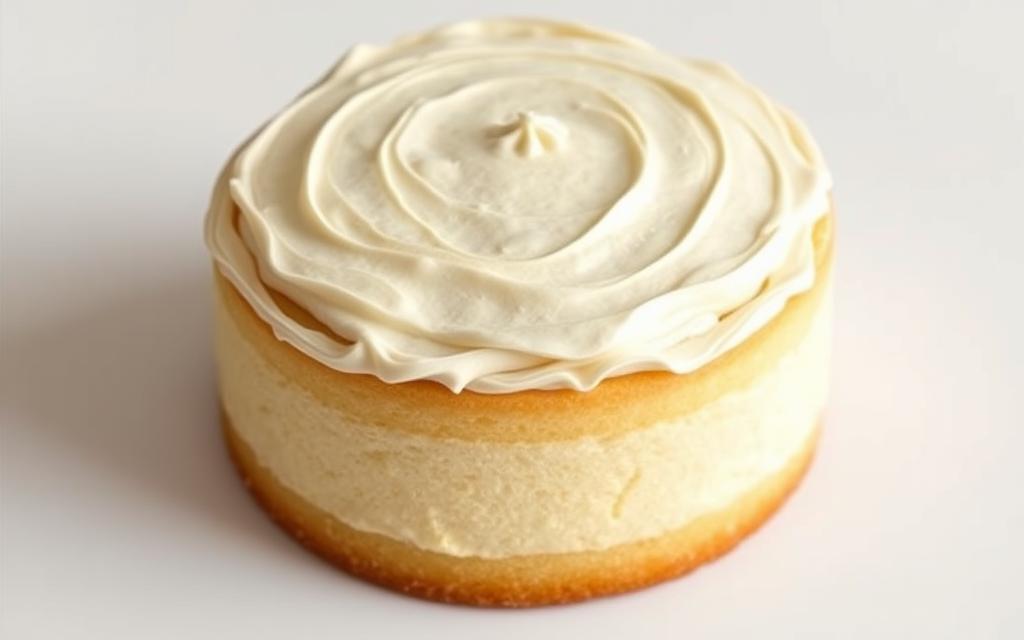
Simple decoration techniques for beginners include creating textured swirls with the back of a spoon, using the edge of an offset spatula to create ridges, or simply leaving the buttercream frosting with its natural swirls for a rustic, homemade appearance. You can also add sprinkles, fresh berries, or edible flowers to give your cake a personal touch.
Troubleshooting Common Cake Problems
Cake baking is a science that requires precision, and troubleshooting common problems is crucial to achieving the perfect cake. Even with the best recipe and techniques, issues can arise, but understanding how to address them can save your cake.
Why Cakes Sink in the Middle
Cakes sinking in the middle is a common issue that can be caused by several factors, including underbaking, overmixing the batter, or using expired leavening agents like baking powder. To prevent this, ensure that your cake is baked thoroughly, and check the freshness of your baking powder before starting.
Fixing Dry or Dense Cakes
Dry or dense cakes are often the result of over-measuring flour, over-mixing the batter, or over-baking. To avoid this, use the spoon and level method when measuring flour, mix your batter gently, and keep an eye on your cake while it’s baking. If your cake is already dry, you can salvage it by brushing the layers with simple syrup before frosting.
Preventing Cakes from Sticking to Pans
To prevent cakes from sticking to pans, prepare your pans properly by lining the bottom with parchment paper and greasing the sides thoroughly. If your cake still sticks, let it cool in the pan for 10-15 minutes before running a knife around the edges and inverting it onto a cooling rack. For cakes that consistently stick, consider investing in high-quality non-stick pans or silicone baking mats.
Variations on the Basic Recipe
Once you’ve mastered the basic vanilla cake recipe, the possibilities for variations are endless. You can easily adapt it to create different flavors and textures, making it suitable for various occasions and preferences.
Chocolate Cake Adaptations
Transforming your vanilla cake into a chocolate cake is straightforward. Replace about ¼ cup of the flour with unsweetened cocoa powder and add an extra 2-3 tablespoons of sugar to balance the bitterness. For a more intense chocolate flavor, you can add 4-6 ounces of melted and cooled dark or semisweet chocolate to the batter after incorporating the eggs.
Adding Fruit and Other Mix-ins
Adding fruit or other mix-ins can enhance the flavor and texture of your cake. Toss berries or chopped fruit in a small amount of flour before folding them into the batter to prevent sinking. Reduce the liquid in the recipe slightly if using very juicy fruits. Other popular mix-ins include toasted nuts, chocolate chips, or citrus zest.
| Mix-in | Preparation | Effect |
|---|---|---|
| Fruit (berries, chopped fruit) | Toss in flour before adding | Adds flavor and texture |
| Nuts (toasted) | Add at the end of mixing | Provides crunch |
| Chocolate chips | Fold in gently | Enhances chocolate flavor |
Making Cupcakes Instead of Layer Cakes
Converting the basic cake recipe to cupcakes is simple. The batter will yield approximately 24 standard cupcakes. Bake at 350°F for 17-18 minutes or until a toothpick inserted in the center comes out clean. Fill cupcake liners only ¾ full to prevent overflow. For a different twist, consider making a cherry and coconut cake or adapting the recipe for a bundt pan.
Conclusion: Enjoying Your Homemade Creation
The joy of homemade cake baking lies in its personal touch and the love infused in every layer. Your vanilla cake recipe has resulted in a delicious treat that’s perfect for any occasion. With proper storage, your cake will stay fresh for several days – simply keep unfrosted layers wrapped tightly in plastic wrap or store frosted cakes under a cake dome.
Remember, practice makes perfect in cake baking. Don’t be discouraged by initial challenges; instead, use them as an opportunity to refine your skills. Share your homemade cake with friends and family, and enjoy the joy it brings to those around you.
FAQ
What is the best type of flour to use for baking a cake?
For a tender crumb, it’s recommended to use cake flour, which has a lower protein content than all-purpose flour. However, if you don’t have cake flour, you can make a substitute by replacing 2 tablespoons of all-purpose flour with 2 tablespoons of cornstarch.
Why is it essential to use room temperature ingredients when baking a cake?
Using room temperature ingredients, especially eggs and butter, ensures that they mix together smoothly and evenly, resulting in a cake with a uniform texture and structure.
How do I prevent my cake from sticking to the pan?
To prevent cakes from sticking, grease the pans thoroughly with butter or cooking spray and line the bottoms with parchment paper. This will ensure that your cake releases easily from the pan once it’s baked.
What’s the difference between baking powder and baking soda?
Baking powder is a mixture of baking soda and an acid that’s designed to release gas more slowly over time, while baking soda is a single ingredient that releases gas quickly when it comes into contact with liquid ingredients.
Can I substitute vanilla extract with other flavorings?
Yes, you can experiment with different flavorings like almond extract or lemon zest to create unique flavor profiles. However, keep in mind that the flavor may be quite different from traditional vanilla cake.
Why did my cake sink in the middle?
Cakes can sink in the middle due to underbaking, overmixing, or insufficient leavening. Check your oven temperature and ensure that you’re not opening the oven door too often during baking.
How do I store leftover cake to keep it fresh?
To keep leftover cake fresh, store it in an airtight container at room temperature or in the refrigerator. You can also freeze cake layers for up to 3 months.