The debate about whether red velvet cake is simply a variation of chocolate cake has been ongoing among bakers and dessert enthusiasts. While both cakes share some similarities, they have distinct characteristics that set them apart.
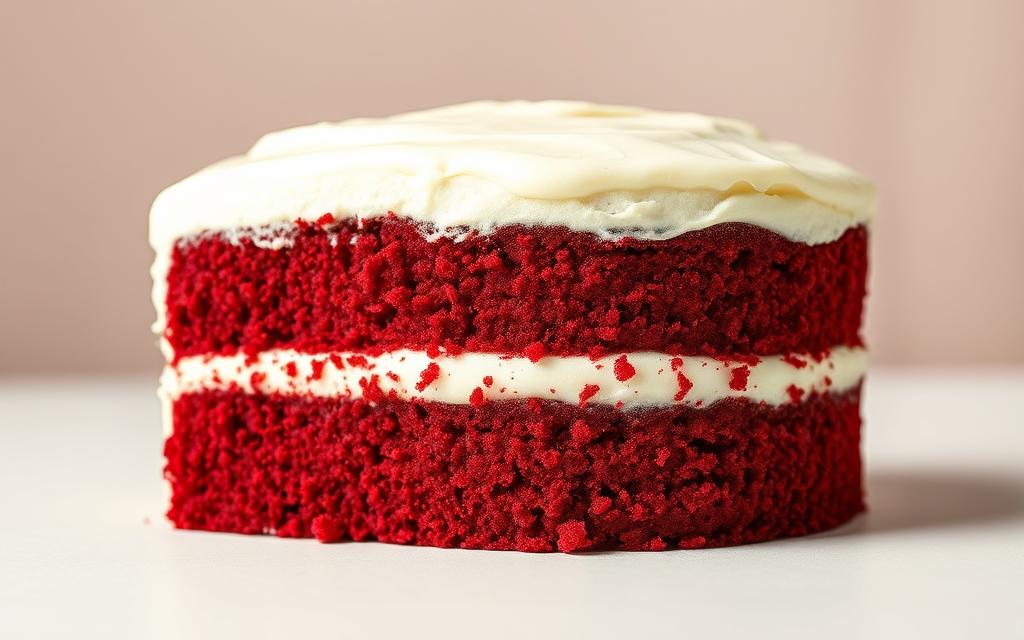
Red velvet cake has gained popularity in recent years, becoming a staple at bakeries and special occasions. Its distinctive appearance, with a vibrant red color and contrast with cream cheese frosting, has made it a favorite among many. But what makes it different from chocolate cake? According to Southern Living, the use of natural cocoa powder and specific ingredients contributes to its unique texture and flavor.
This article will explore the history, ingredients, science, texture, and flavor profiles that define these two classic cakes, helping to clarify the differences between them.
The story of red velvet cake is one of evolution, from its humble beginnings to its current status as a beloved dessert. Traditionally, the red color of this velvet cake came from a natural reaction between cocoa powder and acidic ingredients, a characteristic that defined its unique appearance.
Red velvet cake is often associated with the prestigious Waldorf-Astoria Hotel in New York. While its exact origin is debated, it’s clear that this iconic hotel played a significant role in popularizing the dessert. The cake gained widespread recognition in the 1980s, becoming a staple in Southern American cuisine. Its popularity can be attributed to the unique combination of flavors and the striking red color, which was initially achieved through a chemical reaction involving non-alkalized cocoa powder and acidic ingredients like buttermilk and vinegar.
The Evolution of Red Velvet’s Signature Color
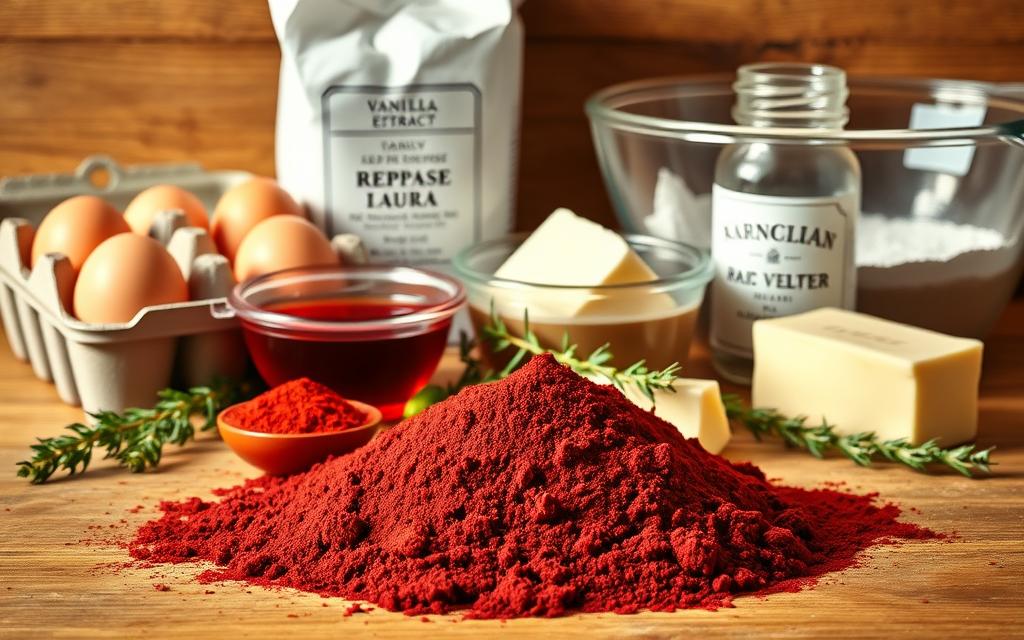
The distinctive red color of red velvet cake has undergone significant changes over the years. Originally, the color resulted from a natural reaction between the cocoa and acidic ingredients. However, with the advent of food coloring, modern recipes began to incorporate artificial dyes to enhance the color. The use of red food coloring became particularly prevalent, making the cake’s appearance more vibrant. Some recipes also utilized beetroot powder as a natural alternative to achieve a similar effect.
Era
Method of Achieving Red Color
Characteristics
Traditional
Natural reaction between cocoa powder and acidic ingredients
Subtle reddish hue
Modern
Use of red food coloring or beetroot powder
Vibrant red appearance
World War II
Use of beet juice as a natural coloring agent
Variable color intensity
The evolution of red velvet cake’s signature color reflects broader trends in consumer preferences and the availability of ingredients. As food technology advanced, bakers began to favor more vibrant colors, leading to the widespread use of artificial coloring. Despite this shift, traditional methods continue to be celebrated for their unique, subtle color.
Is Red Velvet Cake Actually Chocolate Cake?
While some people consider red velvet cake to be a type of chocolate cake, others disagree. The confusion arises from the similarities between the two cakes, including the presence of cocoa powder in both recipes.
The Fundamental Differences
One of the main differences between Red Velvet Cake and Chocolate Cake lies in the ingredients used. While Chocolate Cake is made primarily with cocoa powder and sometimes melted chocolate, Red Velvet Cake contains only a small amount of cocoa powder. Additionally, Red Velvet Cake includes buttermilk and vinegar, which give it a tangy flavor and help the cake rise.
Why the Confusion Exists
The visual and ingredient similarities between red velvet cake and chocolate cake often lead to confusion. The presence of cocoa powder in both recipes creates a common ground, despite the significant difference in quantity and purpose. Modern recipes and commercial bakeries have also contributed to the confusion by emphasizing the chocolate aspects of red velvet cake. Furthermore, the prominent red color of red velvet cake, often achieved with food coloring, overshadows its unique flavor profile, causing people to focus more on appearance than taste distinctions.
The Science Behind Red Velvet’s Color
The distinctive red hue of red velvet cake has long fascinated bakers and food enthusiasts alike. This signature color is not just a result of aesthetic preference but is deeply rooted in the cake’s ingredients and their chemical interactions.
Natural Reactions: Anthocyanins, Acids, and Alkalis
Traditionally, the red color in red velvet cake was a result of natural chemical reactions. Anthocyanins, pigments found in certain foods, react with acids and alkalis in the recipe, contributing to the cake’s distinctive color. The reaction between the cocoa powder (an alkali) and buttermilk (acidic) plays a crucial role in developing this color. This natural reaction gives the cake a subtle, reddish-brown hue.
Modern Food Coloring vs. Traditional Methods
Modern recipes often use red food coloring to intensify the cake’s color, transforming it into the vibrant red cake commonly seen today. The use of gel or liquid food coloring allows bakers to achieve a consistent color. However, when using gel food coloring, it’s essential to dilute it with water or milk to adjust for the lost liquid, as gel colors are concentrated. The shift to artificial coloring has changed public perception of what constitutes an “authentic” red velvet cake, raising questions about the pros and cons of using artificial versus natural coloring methods.
Consumers are increasingly concerned about artificial food dyes, leading to a growing interest in natural alternatives like beet powder. The choice between artificial and natural coloring affects not only the cake’s appearance but also its texture and consistency, as different types of food coloring can alter the batter’s consistency.
Key Ingredients That Set Red Velvet Apart
Red Velvet Cake’s distinctiveness lies in its unique blend of ingredients. While it shares some similarities with chocolate cake, the proportions and types of ingredients used create a distinct flavor and texture profile.
The Critical Role of Buttermilk and Vinegar
Buttermilk and vinegar are crucial components that contribute to the cake’s signature taste and texture. The acidity in buttermilk reacts with the baking soda to produce a tender crumb, while the vinegar enhances the overall flavor by adding a tangy note. This combination is essential for creating the cake’s characteristic subtle tanginess.
The acidity in buttermilk tenderizes the cake.
Vinegar adds a tangy flavor that complements the sweetness.
Together, they create a balanced flavor profile that is distinct from traditional chocolate cake.
Cocoa Content: Less is More
Unlike traditional chocolate cake, which relies heavily on cocoa powder or melted chocolate for its flavor, Red Velvet Cake uses a relatively small amount of cocoa powder. Typically, only 2-3 tablespoons of cocoa powder are used, compared to 3/4 cup or more in chocolate cake recipes. This limited cocoa content allows other flavor notes to shine through, creating a more subtle chocolate experience.
Using less cocoa powder results in a more nuanced flavor.
The type of cocoa powder used (natural, non-alkalized) differs from that in chocolate cake (often Dutch-processed).
This approach creates a distinct flavor category that is neither fully chocolate nor vanilla.
Texture Comparison: Red Velvet vs. Chocolate Cake
Red velvet cake and chocolate cake may look similar, but their textures tell a different story. The texture of these cakes is influenced by their ingredients and preparation methods.
The “Velvet” in Red Velvet
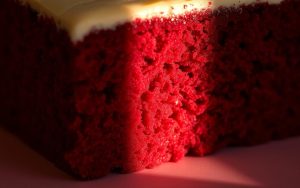
The term “velvet” in red velvet cake refers to its fine, smooth texture. This is achieved through the reaction between the cocoa, acid in buttermilk, and the leavening agents. The result is a tender crumb that is characteristic of this cake type.
Density, Crumb, and Moisture Differences
When comparing the density and crumb structure of red velvet cake to chocolate cake, several differences emerge. Red velvet cake typically has a finer, more tender crumb due to its specific flour-to-liquid ratio and mixing methods. In contrast, chocolate cake can be more moist due to its higher fat content.
Cake Type
Density
Crumb Structure
Moisture Content
Red Velvet Cake
Denser
Fine, tender
Moist when baked correctly
Chocolate Cake
Less dense
Can be coarser
Generally more moist
The texture differences between red velvet cake and chocolate cake are also influenced by their leavening methods and the type of fat used in their batters. Understanding these differences can help bakers achieve the desired texture in their cakes.
Flavor Profile Analysis
Understanding the flavor differences between red velvet and chocolate cake is crucial for cake enthusiasts. The distinct flavor profiles of these two popular cakes are shaped by their ingredients and preparation methods.
Red Velvet’s Subtle Tanginess
Red velvet cake is known for its subtle tanginess, which is primarily due to the presence of buttermilk and vinegar in its recipe. These ingredients contribute to a delicate balance of flavors, making red velvet cake less sweet and more nuanced than traditional chocolate cake. The subtle cocoa flavor is enhanced by the tangy taste, creating a unique flavor experience. As noted by cake experts, the reaction between the cocoa powder and acidic ingredients results in a distinctive taste that’s both sophisticated and understated.
Chocolate Cake’s Rich Depth
In contrast, chocolate cake is renowned for its rich, deep chocolate flavor. The higher cocoa content in chocolate cake creates a more pronounced bitterness that’s balanced by sweetness, resulting in a robust flavor profile. Different types of chocolate, such as cocoa powder and melted chocolate, contribute various flavor notes to the cake. The absence of acidic ingredients like buttermilk and vinegar allows the chocolate flavor to dominate. According to a study on cake flavors, “the fat content in chocolate cake helps carry and enhance chocolate flavor compounds, creating a richer taste experience”
For those who crave a deep, intense chocolate experience, traditional chocolate cake is the perfect choice, pairing well with a variety of frostings beyond cream cheese frosting, as discussed in our guide on choosing the best chocolate cakes for.
Cake Type
Flavor Profile
Key Ingredients
Red Velvet
Subtle tanginess, nuanced cocoa flavor
Buttermilk, vinegar, cocoa powder
Chocolate Cake
Rich, deep chocolate flavor
Cocoa powder, melted chocolate, sugar
The Perfect Frosting Pairings
Red velvet and chocolate cakes are made even more delightful with the right frosting pairings. The choice of frosting can significantly enhance or detract from the overall taste experience of these beloved desserts.
Why Cream Cheese Frosting Complements Red Velvet
Cream cheese frosting is a classic pairing for red velvet cake, as its tanginess complements the cake’s subtle tang. The richness of the cream cheese frosting balances the sweetness of the cake, creating a harmonious flavor profile. At bakeries like Dello Mano, this combination is a signature offering, showcasing the synergy between red velvet cake and cream cheese frosting.
Traditional Frostings for Chocolate Cake
Chocolate cake, with its robust flavor, can be paired with a variety of frostings, including traditional chocolate buttercream, vanilla buttercream, and ganache. The dense, rich flavor of chocolate cake allows it to stand up to bold frostings, while its moisture content keeps the cake fresh. Different textures of chocolate cake, such as dense or light, can be matched with frosting consistencies and flavors to create unique dessert experiences.
The true charm of red velvet cake is revealed when it’s made without artificial dyes, showcasing its inherent reddish-brown hue. This approach not only aligns with the growing demand for natural food products but also highlights the cake’s original characteristics.
Making red velvet cake without food coloring allows the natural ingredients to shine. The reaction between the alkaline cocoa and baking soda with the acidic buttermilk and vinegar gives the cake a beautiful, natural color.
Natural Alternatives to Artificial Dyes
While traditional red velvet cake recipes didn’t rely on artificial coloring, modern bakers are seeking natural alternatives to achieve the desired color. Some options include:
Beetroot powder
Pomegranate juice
Red cabbage extract
These natural ingredients can enhance the color of the cake without using artificial dyes.
Embracing the Natural Reddish-Brown Hue
The natural reddish-brown color of traditional red velvet cake is not only authentic but also a testament to the quality of the ingredients used. By embracing this natural color, bakers can create a unique and premium product that stands out in the market.
Key benefits of naturally colored red velvet cake include:
A more authentic representation of the traditional recipe
Avoidance of artificial additives
Enhanced flavor profile due to the use of natural ingredients
Conclusion: Celebrating Two Distinct Cake Classics
By examining the ingredients and preparation methods of red velvet cake and chocolate cake, we can appreciate their unique qualities. Red velvet cake, with its subtle tanginess and distinctive color, stands apart from the rich depth of chocolate cake. Understanding the science and history behind these cakes enhances our appreciation and improves baking results. Let’s celebrate both red velvet and chocolate cakes for their individual merits, recognizing the unique characteristics that make each special.
Experiment with authentic recipes to experience their true differences firsthand.
FAQ
What gives red velvet cake its distinctive color?
The reaction between the cocoa powder, buttermilk, and vinegar creates a reddish hue, which is sometimes enhanced with food coloring.
Is red velvet cake the same as chocolate cake?
No, while both contain cocoa powder, red velvet cake has a unique flavor profile and texture due to its specific ingredients and proportions.
Why is cream cheese frosting often paired with red velvet cake?
The tanginess of the cream cheese frosting complements the subtle acidity and sweetness of the red velvet cake, creating a balanced flavor experience.
Can I make red velvet cake without food coloring?
Yes, you can achieve a natural reddish-brown color by relying on the reaction between the ingredients, although the color may not be as vibrant.
What is the role of buttermilk in red velvet cake?
Buttermilk adds moisture, tenderness, and a subtle tanginess to the cake, while also reacting with the baking soda to help with leavening.
How does the cocoa powder content affect the flavor of red velvet cake?
The relatively low cocoa powder content in red velvet cake contributes to its subtle chocolate flavor, allowing other ingredients to shine.