Rice cakes have been a popular snack for decades, particularly during the low-fat craze of the nineties. Made from puffed rice pressed together, they are often consumed as a low-calorie alternative to bread and crackers.
The nutritional value of rice cakes remains a topic of debate. While they are low in fat and calories, their overall nutrient profile is not particularly impressive. This article will examine the nutrition facts of rice cakes, including their protein, fiber, and fat content, to determine their place in a healthy diet.
Rice cakes are a versatile food option that can be enjoyed in various ways. They are made from rice grains that are processed to create a crispy and light texture.
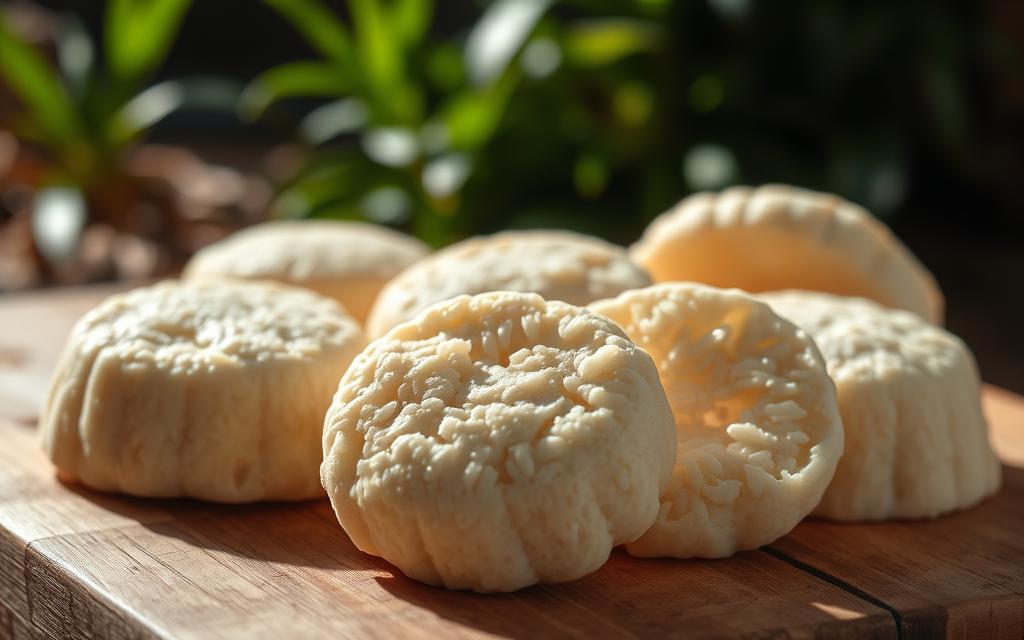
The process of making rice cakes involves subjecting rice grains to high heat and pressure, causing them to expand and bind together. According to Quaker, this process involves adding a portion of grains to a small pan, applying heat, and using a hot cylinder to press down, resulting in the grains bursting into a woven pattern. The cakes are then flavored after formation.
Types and Varieties Available
Rice cakes come in numerous varieties, including those made from white rice, brown rice, or multi-grain blends. Options range from plain and lightly salted to sweet varieties like caramel and chocolate or savory options like cheese and herb flavors. For more information on the nutritional aspects of rice cakes, you can visit WebMD.
Type of Rice Cake
Main Ingredients
Flavor Options
Plain Rice Cakes
Rice, Salt
Lightly Salted
Brown Rice Cakes
Brown Rice, Salt
Plain, Sesame
Flavored Rice Cakes
Rice, Sugar, Flavorings
Caramel, Chocolate, Cheese
Rice Cakes Nutrition Profile
To assess the health benefits of rice cakes, it’s essential to examine their nutritional profile closely. Rice cakes are a popular snack that can be part of a healthy diet when consumed in moderation.
Calorie and Macronutrient Content
Rice cakes are known for being low in calories, with a single plain rice cake containing approximately 35 calories. The macronutrient profile is predominantly carbohydrates, with about 7 grams per cake, minimal protein (around 1 gram), and virtually no fat in plain varieties.
A single serving contains about 35 calories, making it a low-calorie snack option.
The carbohydrate content is high, with about 7 grams per rice cake.
Rice cakes are low in dietary fiber, containing less than 1 gram per serving.
The calorie and macronutrient content can vary, especially in flavored varieties, which may have added sugars and higher calorie counts.
Vitamins and Minerals
Rice cakes made from brown rice provide small amounts of essential minerals. Manganese is the most significant, at about 15% of the daily recommended value per cake.
Mineral
% Daily Value
Manganese
15%
Copper
4%
Selenium
4%
Magnesium
3%
Phosphorus
3%
Zinc
2%
Rice cakes also contain trace amounts of B vitamins, particularly niacin and pantothenic acid. The nutritional profile varies between white and brown rice cakes, with brown rice varieties offering slightly more nutrients.
Are Rice Cakes Good for You? The Benefits
Rice cakes offer several benefits that make them a great addition to a healthy diet. They are a popular snack choice due to their low calorie count, versatility, and nutritional value.
Low in Calories and Fat
Rice cakes are an attractive option for those monitoring their calorie intake. They provide a satisfying crunch with minimal caloric impact, making them a popular choice for calorie-conscious individuals. With a low fat content, rice cakes can be a guilt-free snack option. For example, a serving of plain rice cakes typically contains around 35 calories.
Whole Grain Options
When made with brown rice, rice cakes provide the nutritional advantages of whole grains, including increased fiber content and a more complete nutrient profile compared to white rice varieties. Research suggests that regular consumption of whole grains is associated with reduced risk of chronic diseases, including heart disease, type 2 diabetes, and certain cancers. Look for “whole grain brown rice” on the label to ensure you’re buying a product with whole grains. You can find more information on healthy rice cake options at this review.
Gluten-Free Alternative
For individuals with celiac disease or gluten sensitivity, rice cakes represent a safe, widely available gluten-free alternative to wheat-based crackers and bread. However, consumers should always check labels to ensure no gluten-containing ingredients have been added. Rice cakes can be a versatile base for both sweet and savory toppings, allowing for nutritional customization while maintaining a relatively low-calorie foundation.
Potential Drawbacks of Rice Cakes
Rice cakes, a seemingly healthy snack option, have several drawbacks that impact health and wellbeing. While they can be part of a balanced diet, it’s essential to be aware of their limitations.
Impact on Blood Sugar Levels
Rice cakes may raise your blood sugar levels, particularly if you consume multiple servings in one sitting or choose sweet-flavored varieties that contain added sugar. They are mostly carbs with very little protein and fiber to slow the effect of these carbs on your blood sugar.
To mitigate their impact, combine rice cakes with protein sources like meat, cheese, hummus, or nut butter, and add fiber-rich foods like fruits or vegetables to your snack.
Snack Combination
Effect on Blood Sugar
Rice cakes alone
Rapid spike in blood sugar
Rice cakes with protein and fiber
Slower increase in blood sugar
Low Satiety Factor
The minimal fiber content in rice cakes contributes to their high glycemic impact and means they do little to promote satiety, potentially leading to increased hunger shortly after consumption. Without the addition of protein or healthy fats, cakes may leave you feeling hungry again quickly.
Added Sugars in Flavored Varieties
Flavored varieties of rice cakes often contain added sugars, artificial flavors, and preservatives that diminish their nutritional value. Some sweetened cakes can contain as much as 3-5 grams of added sugar per cake, which can quickly add up if multiple cakes are consumed in one sitting.
Rice Cakes for Special Dietary Needs
Individuals managing special diets often seek out snacks that meet their nutritional requirements, and rice cakes can be a good fit. Rice cakes are a simple, versatile snack that can be adapted to various dietary needs.
Rice Cakes for Weight Management
Rice cakes can be beneficial for weight management due to their low-calorie content. They provide a satisfying crunch and volume, making them a good alternative to higher-calorie snacks. To maximize their effectiveness, it’s essential to consider the toppings used, as adding healthy protein, fat, and fiber can enhance satiety and nutritional value.
Rice Cakes for People with Diabetes
For individuals with diabetes, plain rice cakes should be consumed with caution due to their potential to raise blood glucose levels rapidly. However, a single plain rice cake contains about 7 grams of carbs, which can fit into a meal or snack carbohydrate budget. Pairing rice cakes with protein and healthy fats, such as avocado or nut butter, can help mitigate blood sugar spikes.
How to Make Rice Cakes Healthier
Rice cakes become a more nutritious snack when combined with wholesome toppings. By adding the right ingredients, you can significantly enhance their nutritional profile.
Nutritious Topping Ideas
Pairing rice cakes with nutritious toppings is an easy way to make them healthier. Some excellent options include hummus with sliced cucumbers and tomatoes, peanut butter with sliced bananas, and guacamole with sliced cheese. You can also try cream cheese with smoked salmon and sliced cucumbers, or almond butter with sliced strawberries. These combinations not only add flavor but also provide a boost of protein, fiber, and healthy fats.
Creating Balanced Snacks with Rice Cakes
To create a balanced snack with rice cakes, it’s essential to combine carbohydrates with protein, healthy fats, and fiber. This can be achieved by topping rice cakes with a mix of ingredients such as nut butters, avocado, and sliced vegetables. For example, pairing rice cakes with mashed avocado and an egg or with tuna salad and celery can create a satisfying and nutritious snack. The key is to balance the macronutrients to support stable blood sugar levels and increased satiety.
Topping Combination
Protein
Fiber
Healthy Fats
Peanut butter and banana
8g
4g
16g
Hummus and cucumber
5g
2g
10g
Avocado and egg
6g
7g
12g
Conclusion: Should You Include Rice Cakes in Your Diet?
Ultimately, whether rice cakes are good for you depends on how they fit into your overall dietary pattern. For those seeking low-calorie alternatives to bread or crackers, rice cakes made from whole grain brown rice can be a reasonable option when consumed mindfully and paired with nutrient-dense toppings.
Individuals with specific dietary restrictions, such as celiac disease or gluten sensitivity, may find particular value in rice cakes as an accessible and affordable gluten-free alternative. However, it’s crucial to choose varieties with minimal added ingredients and avoid those with added sugars or artificial flavors.
To maximize the nutritional benefits, pair rice cakes with sources of protein, healthy fats, and fiber, creating a more balanced snack. While rice cakes can be part of a healthy diet, they should be consumed as part of a varied eating pattern that includes plenty of fruits, vegetables, lean proteins, and whole grains. If you enjoy rice cakes and can incorporate them into your diet in a way that supports your health goals, they can be a useful addition.
FAQ
Do rice cakes raise blood sugar levels?
White rice cakes can cause a spike in blood sugar due to their high glycemic index. However, choosing brown rice cakes or those made from whole grains can help mitigate this effect.
Are flavored rice cakes a healthy snack option?
Flavored rice cakes may contain added sugars and artificial flavorings, making them less healthy. Opt for plain, whole grain varieties and add your own toppings for a nutritious snack.
Can rice cakes be part of a weight management diet?
Rice cakes are low in calories and fat, making them a potentially useful snack for weight management. However, their low protein and fiber content may not keep you full for long.
Are rice cakes suitable for people with diabetes?
Individuals with diabetes should be cautious when consuming white rice cakes due to their potential impact on blood sugar levels. Brown rice cakes or those made from whole grains are a better choice.
How can I make rice cakes a healthier snack?
Top rice cakes with nutritious ingredients like avocado, peanut butter, or cheese to increase their protein and healthy fat content. You can also pair them with fruits or veggies for added fiber.
What are some healthy topping ideas for rice cakes?
Try pairing rice cakes with almond butter and banana slices, or with hummus and cucumber slices for a satisfying and healthy snack.
Can I make my own rice cakes at home?
Yes, you can make your own rice cakes at home using brown rice or whole grain flours. This allows you to control the ingredients and avoid added sugars or artificial flavorings.