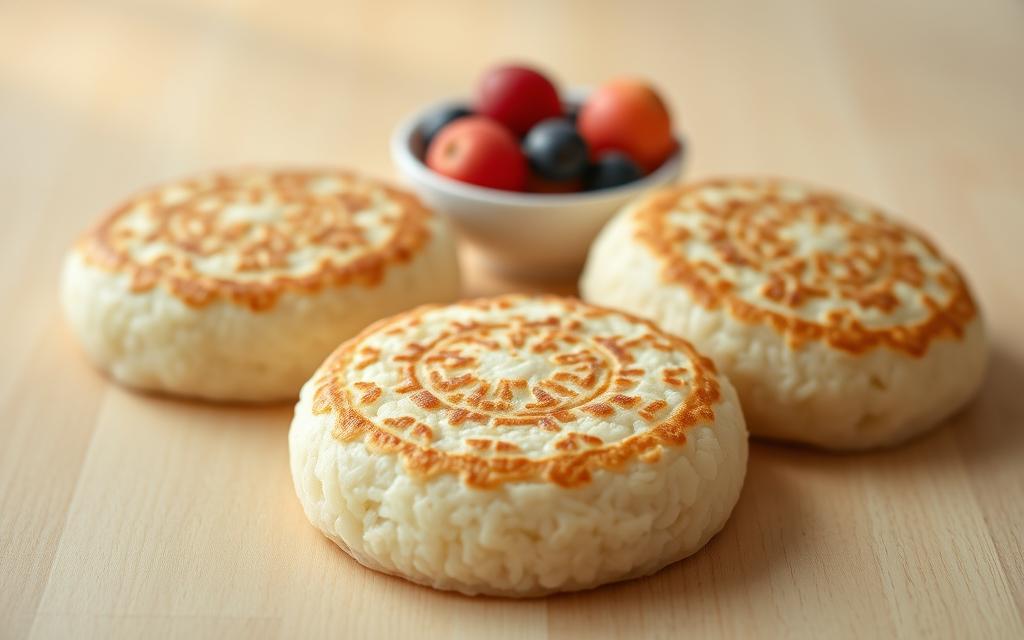
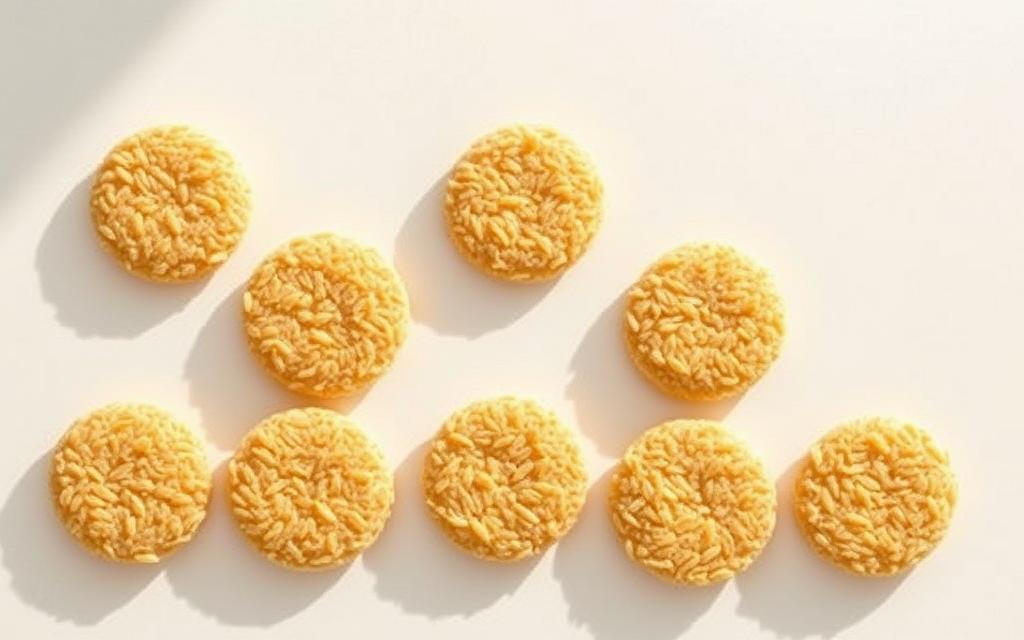
Rice cakes have been a popular low-calorie snack option for decades, often consumed as a substitute for bread and crackers. Made from puffed rice pressed together, they come in various flavors, with the most basic version being made from just rice and sometimes salt.
The question remains, are rice cakes healthy? With approximately 55-56 calories per cake, they can be a viable snack choice. For those with dietary restrictions, some rice cakes are made from puffed brown rice, making them gluten-free. Understanding the nutrition facts of rice cakes is crucial to determining their place in a balanced diet.
Rice cakes are a widely consumed snack made from rice. They are known for their simplicity, versatility, and are often considered a healthier alternative to other snack options. Rice cakes can be found in various forms and flavors, making them a popular choice for different dietary needs.
How Rice Cakes Are Made
Rice cakes are typically made from rice flour and water. The process involves mixing these ingredients together, shaping them into cakes, and then cooking them until they are crispy and dry. Some rice cakes may include additional ingredients to enhance their flavor or nutritional value. For more detailed information on rice cake nutrition, you can visit WebMD’s article on rice cake nutrition.
Popular Varieties and Flavors
The market offers a wide range of rice cake flavors, catering to different tastes. Common savory options include lightly salted, sour cream and onion, and cheddar cheese. Sweet variations often feature flavors like caramel, chocolate, and apple cinnamon. Specialty rice cakes may incorporate additional grains or ingredients to enhance their nutritional profile or texture. For example, some recipes like chocolate rice krispie cakes offer a twist on the classic snack.
Savory flavors like sour cream and onion or cheddar cheese are popular among those looking for a more flavorful snack.
Sweet flavors such as caramel or chocolate are also widely enjoyed.
Some rice cakes are made with additional grains like quinoa or millet to boost their nutritional value.
Nutritional Profile of Rice Cakes
Rice cakes are often considered a healthy snack option, but their nutritional profile reveals both benefits and limitations. To understand their nutritional value, it’s essential to examine their composition.
Calorie and Macronutrient Content
Rice cakes are generally low in calories and fat. A single plain rice cake made from brown rice typically contains about 35 calories, with minimal fat content. They are primarily composed of carbohydrates, making them a good source of energy.
Vitamins and Minerals in Rice Cakes
Rice cakes made from brown rice contain small amounts of essential vitamins and minerals. Key nutrients include:
Manganese: approximately 15% of the Daily Value (DV) per cake
Niacin (Vitamin B3): about 4% of the DV
Magnesium, phosphorus, zinc, copper, and selenium: present in modest amounts
The nutritional profile varies between white and brown rice cakes, with brown rice varieties offering slightly higher amounts of nutrients due to the retention of the bran and germ layers. However, the amounts are relatively small compared to whole food sources, so rice cakes should not be relied upon as a significant source of vitamins and minerals in the diet.
Are Rice Cakes Healthy? Benefits and Advantages
Rice cakes offer several benefits that contribute to their growing popularity as a healthy snack option. One of the primary advantages of rice cakes is their nutritional profile, which makes them an attractive choice for those looking for a low-calorie snack.
Low in Calories and Fat
Rice cakes are notably low in calories and fat, making them an excellent snack for those monitoring their weight or following a low-fat diet. A single rice cake typically contains very few calories, allowing for guilt-free snacking.
Whole Grain Options
Many rice cakes are made from whole grain rice, providing a good source of fiber and nutrients. Choosing whole grain rice cakes can enhance the nutritional value of your snack, supporting digestive health and satiety.
Gluten-Free Alternative
Rice cakes made solely from rice are naturally gluten-free, making them a suitable snack for individuals with celiac disease, non-celiac gluten sensitivity, or those following a gluten-free diet by choice. Their widespread availability in mainstream grocery stores makes rice cakes one of the most accessible gluten-free snack options. Key advantages include:
Rice cakes are a convenient gluten-free snack option, particularly when traveling or in areas with limited specialty food access.
They offer a familiar texture and versatility that can ease the transition to a gluten-free lifestyle for those newly diagnosed with gluten-related disorders.
The simple ingredient list of plain rice cakes minimizes the risk of hidden gluten.
However, it’s essential to check labels carefully, as some varieties may incorporate barley or other gluten-containing grains, and cross-contamination can occur during manufacturing. Overall, rice cakes can be a healthy addition to a balanced diet when chosen wisely.
Potential Downsides of Rice Cakes
Rice cakes, often chosen for their low calorie count, have potential downsides that are worth considering. While they can be part of a healthy diet, their nutritional limitations and impact on blood sugar levels are important factors to examine.
Effects on Blood Sugar Levels
Rice cakes are known for their high glycemic index, which means they can cause a rapid increase in blood sugar levels. This effect is particularly concerning for individuals monitoring their blood glucose, such as those with diabetes. Consuming rice cakes can lead to a quick spike in blood sugar, followed by a crash, leaving one feeling lethargic and potentially increasing hunger.
The high glycemic index of rice cakes makes them a less favorable choice for those seeking to maintain stable blood sugar levels. It’s essential to consider this when deciding to include rice cakes in your diet, especially if you’re looking for a snack that will keep you satisfied until your next meal.
Low in Essential Nutrients
Rice cakes are nutritionally sparse, offering minimal amounts of essential vitamins and minerals relative to their caloric content. The fiber content is negligible, at less than 1 gram per cake, which is significantly lower than whole grain alternatives. Additionally, rice cakes contain very little protein, approximately 1 gram per cake, and lack essential fatty acids necessary for various bodily functions.
Rice cakes provide substantially fewer micronutrients per calorie compared to nutrient-dense whole foods like fruits, vegetables, legumes, or intact whole grains.
The absence of beneficial fats in rice cakes means they lack the necessary components for hormone production, cell membrane integrity, and the absorption of fat-soluble vitamins.
When evaluating the nutritional value of rice cakes, it’s clear that they are not the most beneficial choice for those prioritizing nutritional density. While they may be low in calories, their overall contribution to a balanced diet is limited.
How to Enjoy Rice Cakes as Part of a Balanced Diet
Enjoying rice cakes as part of a balanced diet involves selecting appropriate toppings and being mindful of dietary needs. Rice cakes can be a healthy addition to various eating plans when chosen and prepared thoughtfully.
Nutritious Topping Ideas
To make rice cakes a satisfying snack, consider topping them with nutrient-rich foods. Avocado adds healthy fats, while cheese can provide a boost of protein and calcium. For a protein-packed snack, top rice cakes with almond butter or hummus. You can also explore other options like chocolate-covered rice cakes for a sweet treat.
Nutritious topping ideas include:
Avocado for healthy fats
Hummus or almond butter for protein
Cheese for calcium and protein
Fresh vegetables for added fiber and vitamins
Topping
Nutritional Benefit
Avocado
Healthy fats
Hummus
Protein, fiber
Cheese
Calcium, protein
Rice Cakes for Specific Dietary Needs
Rice cakes can cater to various dietary requirements. For individuals following gluten-free diets, rice cakes made solely from rice are a safe option, provided that the label is checked for any gluten-containing additives. Those on low-calorie diets can benefit from using rice cakes as a lower-calorie alternative to traditional bread.
For specific dietary needs, consider the following:
Gluten-free diets: Opt for rice cakes made from rice only.
Low-calorie diets: Use rice cakes instead of higher-calorie bread.
Vegan diets: Top rice cakes with plant-based spreads like hummus or avocado.
“The key to a balanced diet is variety and mindfulness of nutritional intake. Rice cakes can be a part of this balance when topped with nutrient-rich foods.”
Conclusion
When evaluating rice cakes as a healthy snack, it’s crucial to consider both their positive attributes and their limitations. Rice cakes can be a valuable option for specific dietary needs, particularly when made from whole grain brown rice, providing a gluten-free and low-calorie base for nutritious toppings. However, their high glycemic index and low protein content mean they should be consumed thoughtfully. Pairing rice cakes with protein, healthy fats, and fiber can mitigate their blood sugar impact, making them a more balanced snack option. Ultimately, rice cakes can be part of a healthy diet when consumed mindfully.
FAQ
What are the benefits of choosing whole grain rice cakes?
Whole grain rice cakes provide more fiber and nutrients compared to refined options, making them a better choice for those seeking a healthier snack.
Can rice cakes be part of a weight loss diet?
Yes, low-calorie rice cakes can be a helpful snack for weight loss when paired with nutritious toppings like avocado, cheese, or peanut butter.
How do rice cakes affect blood sugar levels?
Rice cakes, especially those made from white rice, can cause a spike in blood sugar levels due to their high glycemic index. Choosing brown rice cakes can help mitigate this effect.
Are there any gluten-free rice cake options available?
Yes, many rice cakes are naturally gluten-free, making them a great snack option for individuals with gluten intolerance or sensitivity.
What are some healthy topping ideas for rice cakes?
Nutritious toppings like almond butter, hummus, or sliced veggies can enhance the nutritional value of rice cakes, making them a more satisfying snack.
Can rice cakes be a good snack for people with dietary restrictions?
Yes, rice cakes can be a versatile snack option for individuals with various dietary needs, including those requiring low-sodium or low-carb foods.