How to Make a Cake: Ultimate Recipe and Instructions
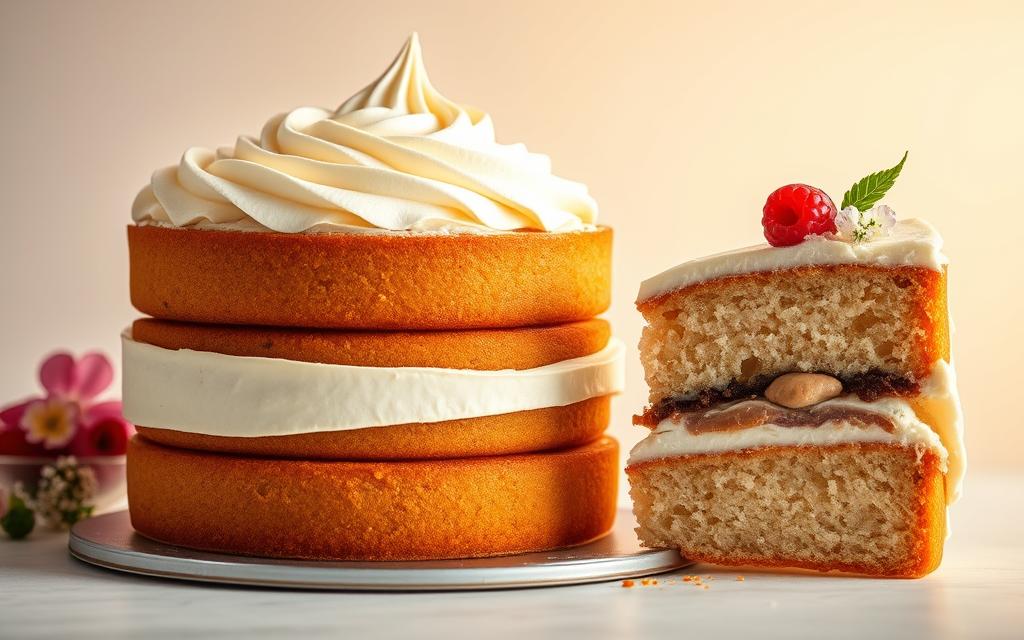
Mastering the art of cake making begins with a simple yet versatile recipe. A classic vanilla cake is the perfect starting point for beginners and a reliable standby for experienced bakers. This foundational recipe allows you to grasp the basics before experimenting with flavor additions and decorating techniques.
Our comprehensive guide covers everything you need to know about creating a delicious homemade cake from scratch, including essential ingredients and equipment, professional mixing and baking techniques, and expert tips to avoid common pitfalls. By understanding the science behind cake recipes, you’ll be empowered to experiment with different flavors and decorating styles, elevating your baking skills.
The Perfect Vanilla Cake Recipe
To bake a moist and flavorful vanilla cake, it’s essential to understand the importance of both ingredients and equipment. “The right mix of ingredients and tools can make all the difference in the outcome of your cake,” as many seasoned bakers would agree.
Essential Ingredients You’ll Need
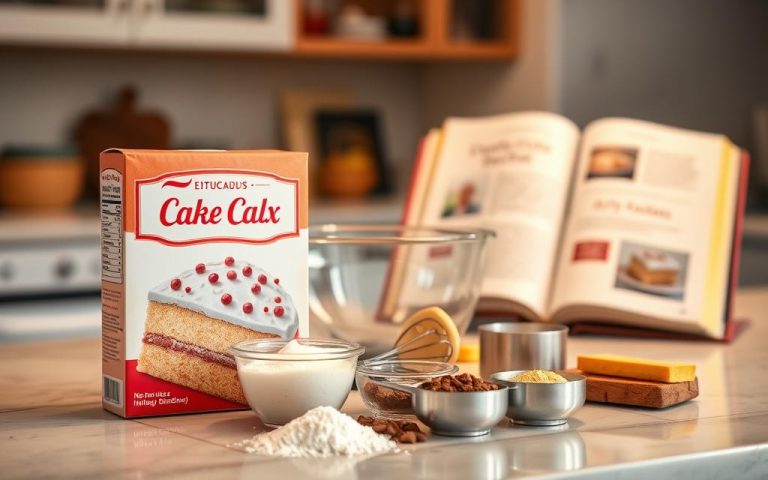
Having the right ingredients is crucial for a delicious cake. You’ll need high-quality vanilla extract, fresh eggs, and the finest flour. Using room temperature ingredients ensures they mix together smoothly, creating a uniform batter.
Equipment Required for Baking
The right equipment is just as important as the ingredients. Here are some essentials:
- A quality cake tin is vital; consider using either round 8-inch cake pans for layer cakes or a 9×13-inch rectangular tin for sheet cakes.
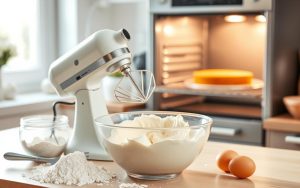
- An electric mixer (stand or handheld) simplifies the creaming process, though a wooden spoon and bowl can also work with a bit more effort.
- Digital kitchen scales provide accurate measurements, crucial for the flour-to-liquid ratio.
- A rubber spatula helps scrape down the bowl’s sides, ensuring all ingredients are well incorporated.
Additionally, using parchment paper for lining your cake tin and a wire cooling rack for cooling your cake can significantly improve your baking results. As “The Baker’s Almanac” suggests, attention to these details can elevate your baking.
Related Posts:

How to Make a Cake: Step-by-Step Instructions
Making a cake from scratch involves several crucial steps that ensure a delicious outcome. To achieve perfection, it’s essential to follow these steps carefully.
Preparing Your Ingredients and Workspace
Before you start mixing, ensure that all your ingredients are measured and ready to use. This includes having your butter and eggs at room temperature, which is crucial for a smooth batter. Clear your workspace to avoid any clutter that might interfere with your baking process.
Mixing the Cake Batter Properly
Combine your dry ingredients, such as flour and sugar, in a large bowl. In a separate bowl, mix your wet ingredients, like eggs and milk. Gradually add the wet ingredients to the dry ingredients, mixing until you achieve a smooth, consistent batter. Be careful not to overmix, as this can result in a dense cake.
Baking Times and Temperature Guidelines
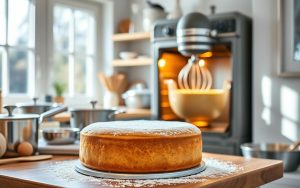
Preheat your oven to the temperature specified in your recipe. For most cakes, this is around 350°F (175°C). Pour your batter into a greased tin and smooth the top. Bake for the recommended time, usually between 25 to 35 minutes, depending on the size and thickness of your cake.
How to Know When Your Cake Is Done
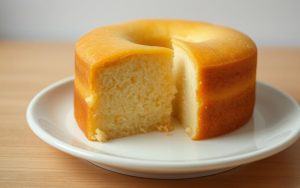
To check if your cake is done, perform a few simple tests. First, look for a well-risen and golden appearance. The top should spring back when lightly touched. You can also insert a skewer into the center; if it comes out clean or with a few moist crumbs, your cake is ready. If your cake sinks after baking, it may need more time in the oven. For more detailed cake recipes, you can visit this page for inspiration.
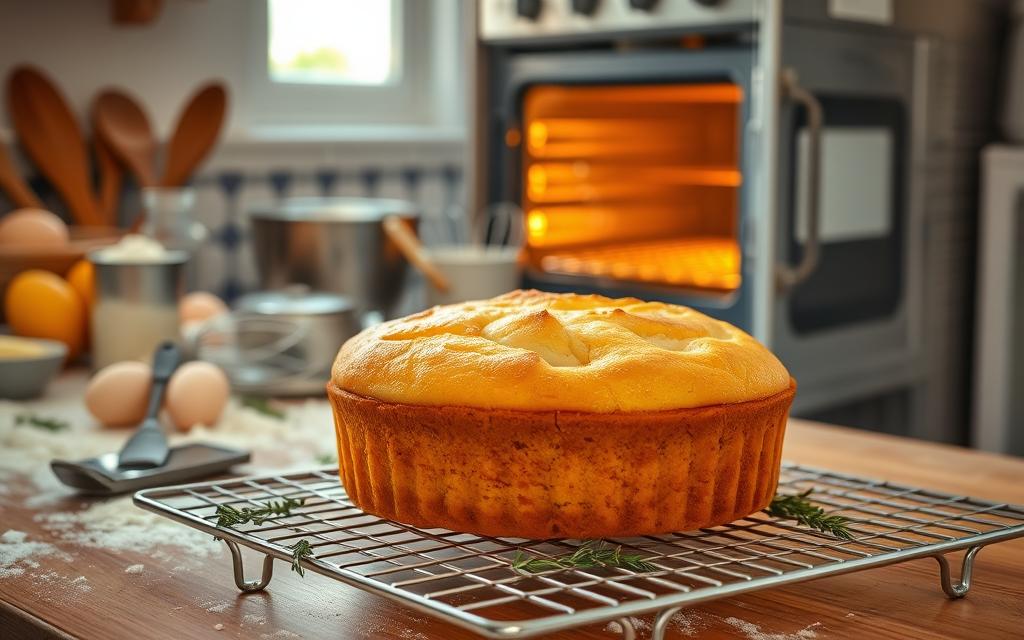
After baking, let your cake cool in the tin for 10-15 minutes before transferring it to a wire rack to cool completely. This step is crucial to prevent your cake from breaking or becoming dense.
Expert Tips for Baking the Perfect Cake
Baking a perfect cake requires more than just following a recipe; it demands precision, patience, and a few expert tricks up your sleeve. To achieve a flawless cake, it’s essential to understand the nuances of baking, from ingredient selection to the final touches.
Common Mistakes to Avoid
One of the most common mistakes in cake baking is not measuring ingredients correctly. This can lead to an imbalance in flavors and textures. Another mistake is not using the right type of fat, which can affect the cake’s moisture and flavor.
Measuring Ingredients Correctly
To ensure accuracy, use a digital scale to measure ingredients. This is particularly important for ingredients like plain flour and sugar, where small variations can significantly impact the final product.
Butter vs. Margarine: Which Is Better?
The choice between butter and margarine depends on the desired outcome. Butter provides superior flavor and a rich mouthfeel but requires proper temperature management. Margarine, on the other hand, offers convenience and can produce a reliably moist texture.
| Characteristics | Butter | Margarine |
|---|---|---|
| Flavor | Rich, distinctive flavor | Milder flavor |
| Moisture Content | Lower moisture content | Higher moisture content |
| Convenience | Requires softening | Can be used straight from the refrigerator |
For a basic cake, using margarine can be a convenient option that still yields excellent results. However, for a special occasion or when aiming for a rich, chocolate flavor, butter is the preferred choice. Understanding these nuances can help bakers achieve the perfect cake every time.
Decorating Your Homemade Cake
The final touch to your baking masterpiece is decorating your homemade cake. With a few simple techniques and tools, you can transform your cake into a stunning dessert.
Simple Icing and Frosting Ideas
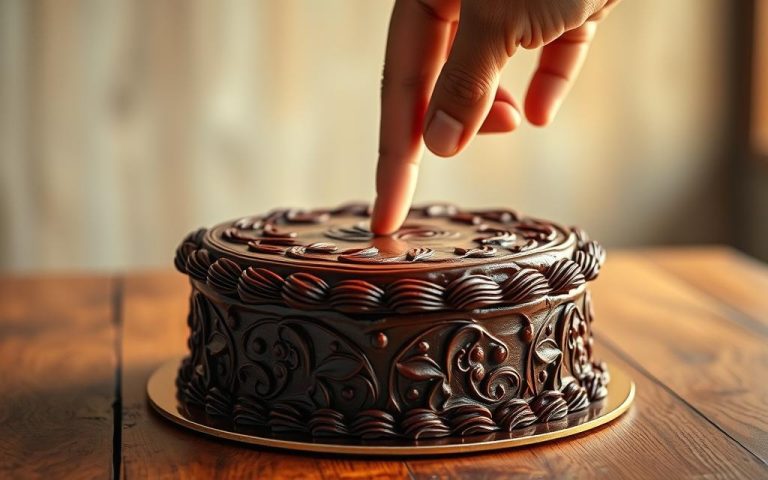
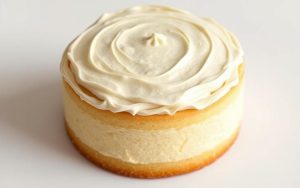
Achieving a smooth frosting finish starts with a crumb coat – a thin layer of frosting that seals in crumbs before the final coat. You can use a cake decorating guide for more detailed instructions on icing and frosting.
- Level your cake layers with a serrated knife or cake leveler for a perfectly flat top that stacks evenly.
- A cake turntable makes frosting significantly easier by allowing smooth, continuous motions around the cake.
- Frosting combs and scrapers create textured patterns that look impressive but are surprisingly simple to achieve.
Creative Topping Suggestions
Piping bags fitted with various tips allow for decorative borders, writing, and designs that elevate your cake’s appearance. For more inspiration, you can check out simple vanilla cake recipes.
Making Your Cake Look Professional
To make your cake look professional, use templates to guide your decoration placement. Proper lighting and a steady hand are essential when adding fine details. Professional bakers often chill their cakes between decorating steps to ensure frosting sets properly for clean, sharp edges.
By following these tips, you can create a beautifully decorated cake that looks like a professional’s touch. The most painful part is waiting for the icing to set a bit so it doesn’t pour everywhere – but it is worth it!
Conclusion
Mastering the art of cake baking is a rewarding experience that opens up endless possibilities for creating delicious homemade treats for any occasion. The techniques and tips shared in this guide provide a solid foundation that can be applied to countless cake recipes beyond vanilla. To achieve a light fluffy texture, remember to use self-raising flour and caster sugar. As you gain confidence, experiment with different flavors, decorating techniques, and cake styles to expand your baking repertoire.
Store your finished cake properly in an airtight container at room temperature for 3-4 days or freeze for longer storage up to 3 months. With practice and patience, you’ll become proficient in baking cakes that are sure to impress friends and family. Don’t be discouraged by occasional failures – they’re valuable learning opportunities that improve your baking skills.
FAQ
What is the best type of flour to use for baking a cake?
For most cake recipes, self-raising flour is the best choice because it contains a raising agent, such as baking powder, which helps the cake to rise. If you only have plain flour, you can make a substitute by mixing it with baking powder.
Can I use margarine instead of butter in cake recipes?
While margarine can be used as a substitute for butter in some recipes, butter is generally preferred for baking cakes because it provides a richer flavor and better texture. If you choose to use margarine, make sure it’s a high-quality brand that is designed for baking.
How do I know when my cake is done baking?
To check if your cake is done, insert a skewer or toothpick into the center. If it comes out clean or with a few moist crumbs, the cake is ready. You can also check by gently pressing the top of the cake; if it springs back, it’s done.
What is the best way to mix the cake batter?
To mix the cake batter properly, start by creaming together the butter and sugar until light and fluffy. Then, beat in the eggs one at a time, followed by the dry ingredients. Use a mixer or whisk to mix the batter until it’s just combined.
Can I use caster sugar instead of granulated sugar in cake recipes?
Yes, caster sugar can be used instead of granulated sugar in most cake recipes. Caster sugar dissolves more easily, which can help to create a lighter, fluffier texture.
How should I store my homemade cake?
Once your cake is completely cooled, you can store it in an airtight container at room temperature for up to three days. If you want to keep it longer, consider freezing it; just be sure to wrap it tightly in plastic wrap or aluminum foil first.
What are some common mistakes to avoid when baking a cake?
Common mistakes to avoid include overmixing the batter, using the wrong type of flour, and not measuring ingredients correctly. Also, be sure to check your oven temperature to ensure it’s accurate.
How can I make a chocolate cake?
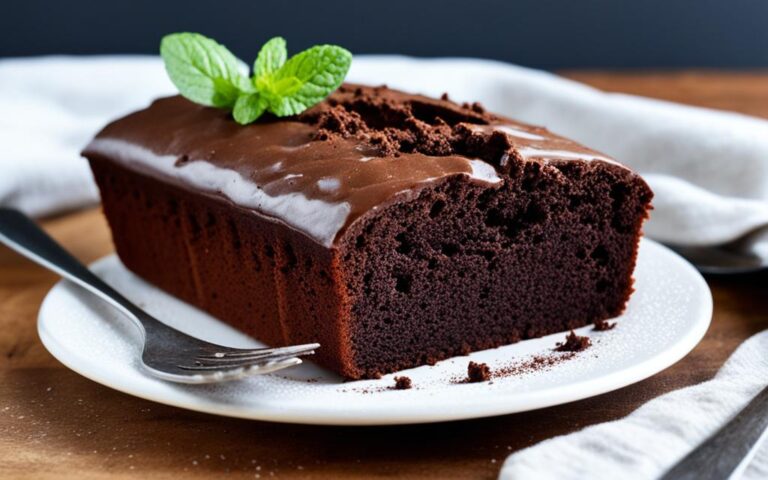
To make a chocolate cake, simply add cocoa powder or melted chocolate to your favorite cake recipe. You can also use chocolate chips or chunks to add extra flavor and texture.