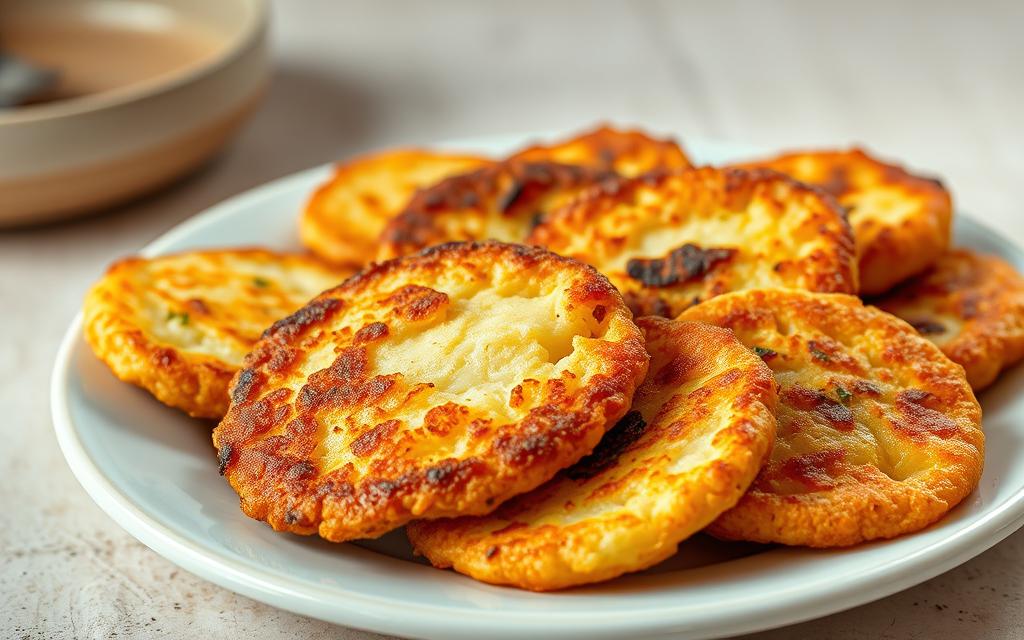
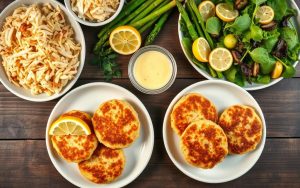
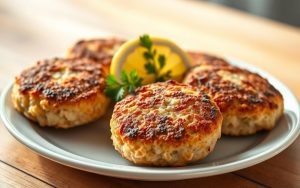
Potato cakes are a versatile and delicious dish that can be made from scratch or using leftover mashed potatoes. They offer a delightful combination of a crispy exterior and a soft, flavorful interior.
This comprehensive guide will walk you through everything you need to know, from basic ingredients to advanced cooking techniques. You can customize your cakes with various add-ins and serve them in multiple ways, making this recipe perfect for both beginners and experienced cooks alike.
By following this guide, you’ll learn how to make perfectpotato cakes every time, elevating your culinary skills and impressing your family and friends.
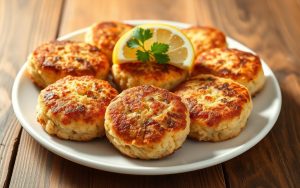
Potato cakes are a delicious way to repurpose leftover mashed potatoes. They are pan-fried or baked patties made primarily from mashed potatoes mixed with binding ingredients. This dish is highly versatile and can be served as a breakfast item, a side dish, or even a main course, depending on the preparation.
The Versatile Comfort Food
Potato cakes are considered a comfort food due to their warm, satisfying nature. They have endless variations, allowing for various flavors and ingredients to be incorporated, making them appealing to both children and adults.
Why Potato Cakes Are a Kitchen Staple
Potato cakes remain a popular dish across different cultures and generations because they represent resourceful cooking. They transform leftover potatoes into a new, delicious dish, making them a practical and tasty option. As a result, potato cakes have become a staple in many kitchens, offering a creative way to use up leftover mashed potatoes and creating a delightful meal or snack.
Creating perfect potato cakes begins with understanding the essential ingredients that make them delicious and crispy. The right combination of ingredients is crucial for achieving the ideal texture and flavor.
Basic Ingredients You’ll Need
The core ingredients needed for basic potato cakes include mashed potatoes, flour, eggs, salt, and pepper. Choosing the right type of potatoes, such as floury varieties like Russet, Maris Piper, or Desiree, is vital for the best texture. The role of each ingredient is distinct: potatoes serve as the base, flour acts as a binder, eggs hold the mixture together, and seasonings add flavor.
Optional Add-ins for Extra Flavor
To enhance the flavor of your potato cakes, consider adding optional ingredients such as cheese (cheddar or parmesan), herbs (chives or parsley), and aromatics (garlic or onions). These add-ins can transform basic potato cakes into unique variations suitable for different tastes and occasions.
Ingredient
Purpose
Mashed Potatoes
Base Ingredient
Flour
Binder
Eggs
Holds Mixture Together
Cheese (Optional)
Adds Extra Flavor
How to Make Potato Cakes from Leftover Mashed Potatoes
Breathing new life into leftover mashed potatoes by turning them into crispy potato cakes is a simple yet effective culinary hack. This method not only reduces food waste but also provides a delicious meal without starting from scratch.
Preparing Your Leftover Mashed Potatoes
To begin, it’s essential to assess the consistency and moisture content of your leftover mashed potatoes. Cold mashed potatoes work best as they’re easier to handle and form into cakes. Weigh your leftover mashed and note their weight for the next step.
Adding Binding Ingredients
To your weighed mashed potatoes, add just under a quarter of their weight in flour. For example, if you have 400g of mashed potatoes, add approximately 100g of flour. Mix in 1 egg thoroughly before adding the flour. Stir the mixture well until it becomes thick and sticky. Adjust the consistency as needed: add more flour if too wet, or a bit of milk if too dry.
Ingredient
Quantity
Purpose
Leftover Mashed Potatoes
Variable
Main Ingredient
Flour
1/4 of mashed potatoes weight
Binding Agent
Egg
1
Binding Agent
Making Potato Cakes from Scratch
Making potato cakes from scratch is a rewarding process that begins with selecting the ideal potatoes. The right potatoes are crucial for achieving the perfect texture and flavor.
Selecting the Right Potatoes
For potato cakes, it’s best to use floury potato varieties like Russets or Maris Pipers. These types of potatoes yield a lighter, fluffier mash that is ideal for cakes.
Choose potatoes that are high in starch for a better texture.
Avoid waxy potatoes as they can make the cakes dense.
Preparing and Mashing Fresh Potatoes
To prepare the potatoes, peel and chop them into large chunks. Boil them in cold water until they are fork-tender, then drain and let them steam dry. Mash with butter, salt, and pepper until smooth.
Creating the Perfect Potato Mixture
To create the perfect potato mixture, ensure the mashed potatoes are cooled. Then, incorporate binding ingredients like flour and eggs to achieve the right consistency. The mixture should be firm enough to hold its shape when formed into cakes.
By following these steps, you can create delicious potato cakes from scratch that are crispy on the outside and fluffy on the inside.
Step-by-Step Guide to Forming Potato Cakes
Forming potato cakes is a crucial step that requires some finesse to achieve the perfect shape and texture. To begin, prepare your work surface with a light dusting of flour to prevent the potato mixture from sticking.
Shaping Your Potato Cakes
You can shape your potato cakes using various methods. You can form patties by hand, roll out the mixture and cut into shapes using cookie cutters, or use a spoon to portion out the mixture. When rolling out the mixture, aim for a uniform thickness of about ½ inch to ensure even cooking.
Tips for Uniform Thickness and Size
To achieve uniform potato cakes, make sure to compact the mixture well to prevent them from falling apart during cooking. You can also lightly flour your hands or use a floured rolling pin to handle the sticky potato mixture. Re-roll scraps to minimize waste and create uniform sizes for your intended serving purpose.
Cooking Methods for Crispy Potato Cakes
Achieving crispy potato cakes requires mastering the right cooking techniques. There are several methods to cook potato cakes, each with its own advantages.
Pan-Frying for Golden Brown Perfection
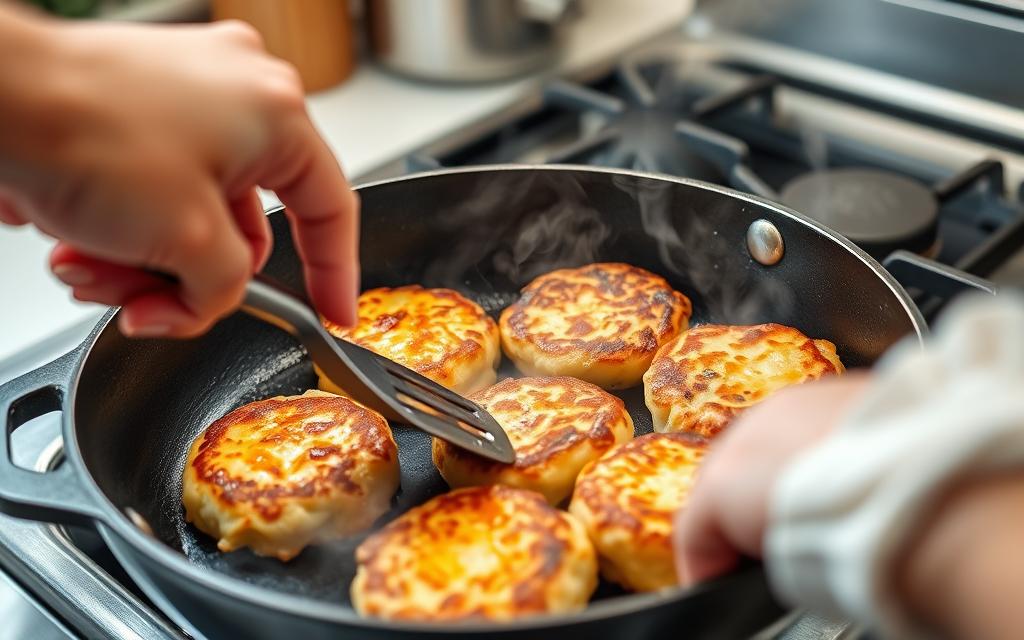
Pan-frying is a popular method for cooking potato cakes. To pan-fry, heat a little bit of oil in a large skillet over medium heat. Once the oil is hot, scoop out heaping spoonfuls of the potato mixture into the skillet. Flatten the mixture slightly with a spoon and fry until golden brown on both sides, approximately 3-4 minutes per side. Use a spatula to carefully flip the cakes to avoid breaking them.
Baking for a Healthier Option
For a healthier alternative, baking is a great option. Preheat your oven to around 400°F (200°C). Lightly brush the potato cakes with oil to enhance crispiness. Place the cakes on a baking sheet and bake for about 15-20 minutes, flipping them halfway through. This method reduces the fat content while still achieving a crispy exterior.
Cooking Method
Cooking Time
Advantages
Pan-Frying
3-4 minutes per side
Golden brown perfection, crispy exterior
Baking
15-20 minutes
Healthier option, less fat
Delicious Variations to Try
The versatility of potato cakes allows for a wide range of creative variations. By incorporating different ingredients, you can create unique flavor profiles that suit your taste preferences.
Cheese and Herb Combinations
Mixing various cheeses like cheddar, parmesan, mozzarella, and feta with fresh or dried herbs such as chives, parsley, or thyme can add depth to your potato cakes. For example, combining cheddar with chives or parmesan with rosemary creates a delicious flavor combination.
Adding Vegetables and Proteins
Incorporating vegetables like spinach, corn, peas, or bell peppers and proteins such as bacon, ham, or leftover ground meat can enhance the texture and flavor of your potato cakes. This approach also helps use up leftover ingredients in your fridge.
International Flavor Inspirations
Draw inspiration from global cuisines to create unique potato cakes. For instance, add curry spices for an Indian twist or mix in olives and feta for a Mediterranean flavor. These variations can add an exciting twist to your potato cakes.
Variation
Ingredients
Pizza
Diced pepperoni, minced garlic, mozzarella cheese
Ham and Cheese
Diced ham, shredded Swiss, diced onion
Bacon Ranch
Ranch seasoning, chopped bacon, cheddar cheese
Serving Suggestions for Potato Cakes
Potato cakes are a versatile dish that can be served in various ways. They can be a great addition to any meal, whether it’s breakfast, lunch, or dinner.
Breakfast Pairings
For breakfast, serve potato cakes with eggs, bacon, or sausage. They can also be part of a full English breakfast.
Lunch and Dinner Accompaniments
As a side dish, potato cakes go well with soups, salads, or sandwiches for lunch. For dinner, they can be paired with roasted meats or grilled fish.
Dips and Toppings
Enhance your potato cakes with dips and toppings like sour cream, applesauce, or salsa. You can also add fresh herbs or crispy bacon bits.
Meal
Pairing Suggestions
Breakfast
Eggs, bacon, sausage, full English breakfast
Lunch/Dinner
Soups, salads, sandwiches, roasted meats, grilled fish
The longevity of your potato cakes depends on how you store them. Proper storage ensures they remain fresh and delicious for a longer period.
Refrigeration Tips
To store leftover potato cakes, place them in an airtight container and keep them in the fridge. They will stay fresh for up to 3-4 days. When reheating, you can use a skillet, oven, or air fryer. Reheating in the oven at 180°C/350°F for 15 minutes will yield a crispy exterior.
Freezing for Later Use
For longer storage, you can freeze your potato cakes. Place them in a single layer on a baking sheet, then transfer them to an airtight container or freezer bag. They can be stored for up to 3 months. When you’re ready, reheat them directly from frozen in the oven or skillet, adjusting the time as needed.
By following these storage and reheating tips, you can enjoy your potato cakes at their best, whether freshly made or as leftovers.
Troubleshooting Common Potato Cake Problems
Troubleshooting is an essential part of mastering potato cakes, and this section will help you overcome common issues. Whether you’re dealing with potato cakes that fall apart or have texture issues, we’ve got the solutions you need.
Why Potato Cakes Fall Apart
Potato cakes can fall apart due to insufficient binding ingredients or improper mixture consistency. To fix this, ensure you’re using the right amount of flour or alternative binding agents like cornstarch or tapioca starch. If your mashed potatoes are too wet, try adding more flour or letting them dry out a bit before shaping the cakes.
If the mixture is too dry, adding a small amount of milk or an extra egg can help. Proper oil temperature is also crucial when frying; cold oil can cause the cakes to stick and fall apart.
Cause
Solution
Insufficient binding ingredients
Add more flour or use alternative binding agents
Improper mixture consistency
Adjust the amount of mashed potatoes or add binding agents
Cold oil temperature
Heat the oil properly before frying
Fixing Texture Issues
Texture issues like gumminess or excessive denseness can be avoided by not overworking the potato mixture. Ensure that you’re not over-mixing, and try to handle the mixture gently when shaping the cakes.
If your potato cakes are not browning properly, try adjusting the heat levels or patting the surface dry before cooking. For potato cakes that have already fallen apart, consider repurposing them as a hash or incorporating them into another dish.
By addressing these common issues, you can improve the quality of your potato cakes and achieve better results. Whether you’re a beginner or an experienced cook, troubleshooting is an essential skill to master in the kitchen.
Conclusion: Mastering the Art of Potato Cakes
The art of making potato cakes is now within your grasp. With simple ingredients and techniques, you can create delicious potato cakes from scratch or using leftover mashed potatoes. Experiment with various recipes and serving suggestions to find your favorite way to enjoy this versatile dish.
FAQ
Can I use leftover mashed potatoes to make potato cakes?
Yes, leftover mashed potatoes are a great base for making potato cakes. Simply mix them with some binding ingredients like flour and egg, shape into patties, and cook until crispy and golden brown.
What type of potatoes are best for making potato cakes from scratch?
For making potato cakes from scratch, it’s best to use high-starch potatoes like Russet or Idaho. They yield a lighter and fluffier mash, which is ideal for potato cakes.
How do I prevent my potato cakes from falling apart?
To prevent potato cakes from falling apart, make sure to mix the potato mixture well and add enough binding ingredients like flour and egg. Also, chill the shaped potato cakes in the fridge for at least 30 minutes before cooking to help them hold their shape.
Can I bake potato cakes instead of pan-frying them?
Yes, you can bake potato cakes instead of pan-frying them. Simply shape the potato mixture into patties, place them on a baking sheet lined with parchment paper, and bake in a preheated oven at 375°F (190°C) for about 20-25 minutes, or until crispy and golden brown.
How long can I store leftover potato cakes?
You can store leftover potato cakes in an airtight container in the fridge for up to 3 days. Simply reheat them in the oven or pan-fry until crispy and hot.
Can I freeze potato cakes for later use?
Yes, you can freeze potato cakes for later use. Simply shape the potato mixture into patties, place them on a baking sheet lined with parchment paper, and freeze until solid. Then, transfer the frozen potato cakes to an airtight container or freezer bag and store in the freezer for up to 2 months.