The Ultimate Guide: How to Bake a Cake Like a Pro
Mastering the art of cake baking begins with a simple yet versatile vanilla cake recipe. This foundational recipe is essential for both beginners and experienced bakers, serving as a stepping stone to more complex creations.
A good cake is more than just a mixture of ingredients; it’s about understanding the science behind achieving that perfect, moist crumb. From the role of flour and sugar to the importance of eggs and butter, every component plays a crucial part.
This comprehensive guide will walk you through the essentials of baking, including mixing techniques, the right ingredients, and troubleshooting tips. By the end, you’ll be equipped to create delicious cakes that impress.
Understanding the Science of Cake Baking
To bake a perfect cake, one must comprehend the chemistry that transforms simple ingredients into a culinary masterpiece. Baking is a superpower that involves more than just following a recipe; it’s about understanding the intricate processes that occur when ingredients come together.
Why Homemade Cakes Are Worth the Effort
Homemade cakes are worth the effort because they allow you to control exactly what goes into your food, avoiding preservatives and artificial ingredients found in commercial mixes. By baking from scratch, you can ensure that your cakes are not only delicious but also made with quality ingredients. This control over ingredients is a significant advantage of homemade cakes.
The Chemistry Behind a Perfect Cake
The chemistry of cake baking involves the precise interaction between flour proteins, fats, sugars, and leavening agents—each playing a crucial role in structure, moisture, and flavor development. For instance, the reaction between baking powder and liquid ingredients releases carbon dioxide, causing the cake to rise. Understanding these chemical reactions is key to achieving the perfect texture and flavor.
Related Posts:
Different Types of Cakes and Their Characteristics
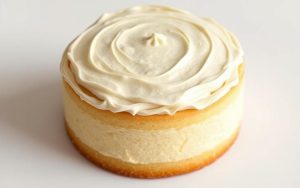
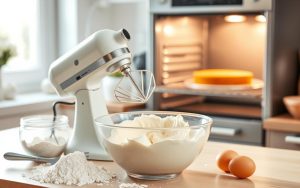
Different types of cakes, such as butter cakes, foam cakes, and chiffon cakes, each have unique characteristics based on their mixing methods and ingredient ratios. These differences affect their texture and appropriate uses. For example, butter cakes are rich and moist, making them ideal for layer cakes, while foam cakes are light and airy, perfect for sponge cakes.
By understanding the science behind cake baking, you can troubleshoot problems and make informed adjustments to your recipe, transforming baking from a mysterious art to an approachable skill. This knowledge empowers you to experiment with different ingredients and techniques, achieving consistently excellent results.
Essential Ingredients for Cake Baking
To bake a cake like a pro, it’s crucial to understand the roles of different ingredients and how they interact. The quality and type of ingredients you use in cake baking significantly impact the final texture, flavor, and appearance of your cake.
Flour: All-Purpose vs. Cake Flour
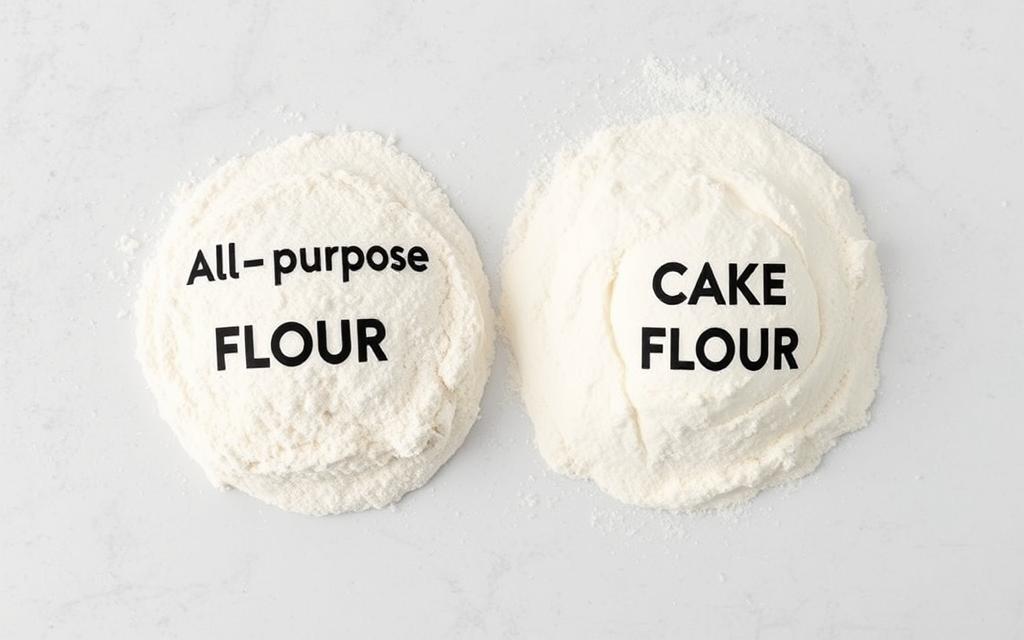
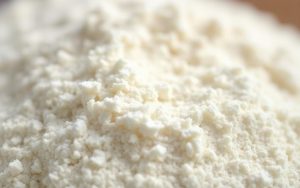
Flour provides the structural foundation of your cake. All-purpose flour is versatile and can be used for a variety of cakes, while cake flour, with its lower protein content, produces a more delicate, tender crumb ideal for special occasions.
Leavening Agents: Baking Powder and Baking Soda
Leavening agents like baking powder and baking soda create the rise in your cake through chemical reactions. Baking powder works in two stages (when moistened and when heated), while baking soda requires an acidic ingredient to activate.
Fats: Butter, Oil, and Their Effects on Texture
The choice between butter (which adds rich flavor) and oil (which creates moisture that lasts longer) affects not just taste but also the keeping quality and texture of your finished cake.
Sweeteners and Flavorings
Sweeteners do more than just add sweetness—they tenderize the crumb, promote browning, and extend shelf life. Meanwhile, vanilla extract and other flavorings provide the aromatic complexity that elevates a good cake to a great one.
Understanding the role of each ingredient is key to mastering the art of cake baking. By choosing the right type and quality of ingredients, you can significantly enhance the outcome of your baking endeavors.
Must-Have Equipment for Baking Cakes
To bake a cake like a pro, you’ll need to arm yourself with the essential tools. Having the right equipment is crucial for successful cake baking, as even the best recipe can fail without proper tools to execute the techniques required.
Basic Tools Every Baker Needs
Basic tools every baker needs include measuring cups and spoons for accurate ingredient proportions, mixing bowls of various sizes, a reliable hand or stand mixer, and properly sized cake pans that distribute heat evenly. A good quality mixer is indispensable for mixing and blending ingredients to the right consistency.
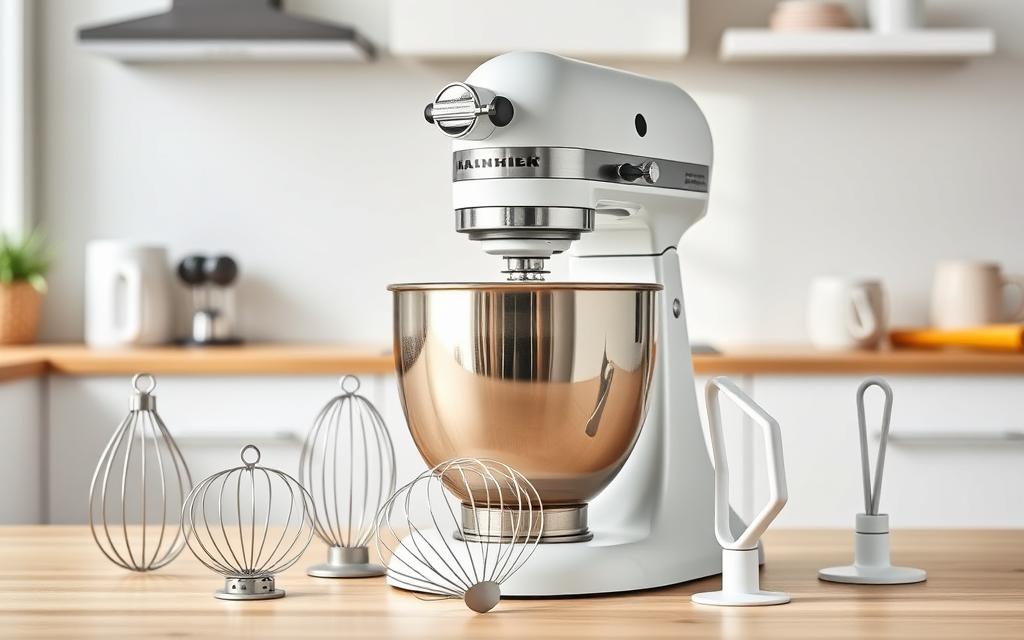
Measuring cups and spoons are vital for achieving the right balance of ingredients, while mixing bowls provide the space needed for combining and whipping ingredients.
Nice-to-Have Equipment for Serious Bakers
Serious bakers benefit from specialized equipment like a kitchen scale for precise measurements, especially important for flour, an oven thermometer to verify temperature accuracy, and offset spatulas for smooth frosting application. These tools help in achieving consistency and precision in cake baking.
Cake Pans: Types, Sizes, and Materials
Cake pans come in a variety of shapes, sizes, and finishes. For most cake recipes, 2″ deep, round pans are preferred. The material and color of your cake pans significantly affect baking time and browning. Light-colored aluminum pans generally provide the most even results, while dark pans absorb more heat and can cause over-browning.
Using parchment paper in your cake pans is an invaluable technique for ensuring your cakes release cleanly from the pan, saving you from the heartbreak of a cake that breaks apart during removal.
Preparing Your Workspace and Ingredients
A well-organized workspace and properly prepared ingredients are crucial for successful cake baking. This critical step is often overlooked by novice bakers, but it makes a significant difference in the outcome of your baked goods.
Mise en Place: The Importance of Organization
Mise en place, a French term meaning “everything in its place,” is a fundamental principle in baking. It involves measuring, preparing, and organizing all ingredients before starting to mix. This approach prevents mistakes, ensures that nothing is forgotten, and makes the baking process smoother and more enjoyable. By having all your ingredients, such as flour, butter, and eggs, ready and within reach, you can focus on the mixing technique.
Bringing Ingredients to Room Temperature
Using ingredients at room temperature, particularly eggs and butter, is vital for achieving the right texture in your cake. Eggs at room temperature will fluff better and faster when beaten. To bring fridge-cold eggs to room temperature quickly, simply leave them in warm water for 5 minutes. For softened butter, take it out of the refrigerator about 30 minutes before you start baking.
Measuring Ingredients Accurately
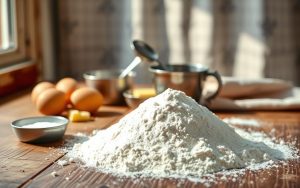
Accurate measurement of ingredients is essential in baking. Using a digital scale is recommended for the most reliable weighing results. When measuring flour, use the “spoon and level” method to avoid adding too much flour, which can result in dry, dense cakes. For a recipe that calls for 1 cup of sugar, make sure to level it off properly to get the exact amount.
To illustrate the importance of preparation, consider the following key points:
- Proper preparation prevents mistakes and ensures a smoother baking process.
- Room temperature ingredients blend more uniformly and incorporate more air, creating a consistent texture.
- Accurate measurement is crucial to avoid texture problems, such as dryness or denseness.
How to Bake a Cake: Step-by-Step Process
Baking a cake is a multi-step process that requires attention to detail, but the end result is well worth the effort. To achieve a perfect cake, it’s crucial to follow a logical sequence that maximizes your chances of success.
Preheating and Preparing Your Pans
Preheating your oven is the first critical step. Preheat to 180°C/350°F (160°C fan) for 20 minutes before starting the cake batter. Place the shelf in the middle of the oven to ensure even baking. Meanwhile, prepare your pans by greasing 2 x 20cm / 8″ cake pans with butter, then lining them with parchment paper or baking paper. This step is essential to prevent the cake from sticking and to ensure clean removal once baked.
Mixing the Batter: Techniques and Timing
The technique used to mix the batter varies depending on the type of cake you’re making. Generally, it’s essential to pay careful attention to time to avoid overmixing, which can result in a tough cake. Overmixing activates too much gluten in the flour, while undermixing can leave pockets of dry ingredients. The right mixing technique ensures a smooth, consistent batter.
Proper Filling of Cake Pans
Pour the prepared batter into the greased and lined pans. Fill the cake pans to the appropriate level, typically 1/2 to 2/3 full, to allow room for the cake to rise without overflowing. After filling, bang each cake pan on the counter 3 times to knock out big bubbles, ensuring a smooth, even texture.
Baking Times and Temperature Guidelines
Place the filled cake pans in the preheated oven and bake for 30 minutes or until the cake is golden and a toothpick inserted into the center comes out clean. The cake is cooked when it looks well risen and golden; the top should spring back when lightly touched with a fingertip. Another test is to insert a skewer into the center of the cake – it should come out clean.
| Baking Time | Oven Temperature | Cake Status |
|---|---|---|
| 30 minutes | 180°C/350°F | Golden and toothpick comes out clean |
By following these steps and guidelines, you’ll be well on your way to baking a perfect cake every time. Make sure to check your cake recipe for specific instructions, as different recipes may have varying requirements.
Understanding Different Cake Mixing Methods
Mastering various cake mixing methods is crucial for achieving the perfect texture and structure in your baked goods. The difficulty of a cake is often determined by the methods used in the recipe.
Different cake mixing methods produce distinctly different textures and structures, making it essential to understand which method is appropriate for the type of cake you want to create.
The Creaming Method: When and How to Use It
The creaming method, which involves beating butter and sugar together until light and fluffy, incorporates air that helps the cake rise and creates a fine-grained, tender crumb ideal for classic butter cakes.
This method is particularly useful for recipes that rely on the aeration of butter and sugar to give the cake its structure.
One-Bowl Method for Quick and Easy Cakes
The one-bowl method simplifies the mixing process by combining all ingredients in a single bowl, making it a convenient option for everyday recipes.
While this method may sacrifice some texture refinement, it can still produce delicious, moist cakes perfect for casual baking.
Reverse Creaming for Velvety Texture
Reverse creaming involves coating flour particles with fat before adding liquid ingredients, resulting in an exceptionally velvety, tight crumb that holds up well to fillings and frostings.
This method is ideal for creating cakes that need to withstand heavy frostings or fillings, such as wedding cakes.
Whipping Egg Whites for Foam Cakes
Foam cakes rely on whipped egg whites for structure and lift rather than chemical leaveners, requiring careful folding techniques to maintain the air bubbles that give these cakes their characteristic lightness.
The use of eggs in cake recipes is crucial, as they provide moisture, richness, and structure to the final product.
| Mixing Method | Description | Ideal For |
|---|---|---|
| Creaming Method | Beating butter and sugar until light and fluffy | Classic butter cakes |
| One-Bowl Method | Combining all ingredients in one bowl | Quick and easy cakes |
| Reverse Creaming | Coating flour particles with fat before adding liquids | Velvety texture cakes |
| Whipping Egg Whites | Using whipped egg whites for structure and lift | Foam cakes |
Achieving the Perfect Cake Texture
A cake’s texture is crucial to its overall appeal, with a moist and tender crumb being the holy grail of cake baking. The texture of a cake is what distinguishes an exceptional cake from an ordinary one, with the ideal being a moist, tender crumb that holds together when sliced but melts in the mouth when eaten.
Creating a Moist and Tender Crumb
Creating a moist cake depends on several factors, including the proper ratio of liquid to dry ingredients, the type of fat used, and careful attention to baking time to prevent over-baking which dries out the cake. Using the right type of flour is also crucial, as it affects the overall texture. Cake flour, with its lower protein content, produces a more delicate crumb than all-purpose flour due to its lower gluten development during mixing.
How to Get an Even Rise and Flat Top
Achieving an even rise and flat top requires proper oven temperature, correct batter consistency, and techniques like using cake strips around the pans to ensure even heat distribution. The aeration created during the mixing process, such as whipping eggs and sugar, is key for a soft, fluffy crumb. This technique, borrowed from Japanese sponge cakes, emphasizes the importance of aeration in achieving the desired texture.
Preventing Common Texture Problems
Common texture problems like tunneling (large holes), doming, or a dense, gummy layer at the bottom of the cake can be prevented by understanding their causes—usually related to mixing technique, ingredient temperature, or oven issues. By controlling these factors and following a well-tested recipe, bakers can achieve consistent results, including a smooth, even top.
Testing for Doneness and Cooling Properly
One of the most critical steps in cake baking is testing for doneness to avoid underbaked or overbaked results. Knowing when your cake is perfectly baked ensures the desired texture and flavor.
Using the Toothpick Test Effectively
The toothpick test is a reliable method for checking doneness. Insert a toothpick or thin skewer into the center of the cake. If it comes out clean or with a few moist crumbs, the cake is done. Make sure to check the cake frequently towards the end of the baking time to prevent overcooking.
Visual Cues That Your Cake Is Done
Besides the toothpick test, visual cues can indicate doneness. The top of the cake should be golden brown, and it should spring back when lightly touched with a fingertip. Additionally, the cake should start to pull away from the sides of the pan.
Cooling Techniques for Perfect Results
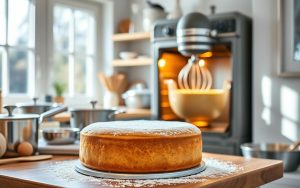
After baking, remove the cake from the oven and let it cool in the pan for 15 minutes. Then, gently turn it out onto a cooling rack to cool completely. For layer cakes, cooling upside down can help flatten any dome, resulting in neat layers. It’s best to wait at least an hour before frosting the cake to ensure perfect results from your recipe.
Basic Vanilla Cake Recipe for Beginners
The art of baking a perfect vanilla cake is easier than you think, thanks to this straightforward recipe designed for beginners. This basic vanilla cake recipe uses simple ingredients and techniques, making it an ideal starting point for those new to baking.
Ingredients and Equipment List
To make this vanilla cake, you will need the following ingredients: 2 cups of all-purpose flour, 1 cup of granulated sugar, 2 large eggs at room temperature, 1/2 cup of unsalted butter, softened, 2 teaspoons of baking powder, 1 teaspoon of pure vanilla extract, and 1 cup of whole milk. For equipment, you’ll need two 8-inch round cake pans, a mixing bowl, a whisk, and a measuring cup.
Step-by-Step Instructions
Preheat your oven to 350°F (180°C). Grease the cake pans and line the bottoms with parchment paper. In a large mixing bowl, whisk together the flour, sugar, and baking powder. In another bowl, whisk the eggs, butter, vanilla extract, and milk. Combine the wet and dry ingredients, mixing until smooth. Divide the batter evenly between the prepared pans and bake for 25-30 minutes, or until a toothpick inserted into the center comes out clean.
Variations and Flavor Additions
This vanilla cake recipe serves as a versatile base that can be adapted with various flavor additions. Consider incorporating citrus zest, different spices, or extracts to create unique variations. For instance, adding a teaspoon of lemon zest can give your cake a refreshing twist. Experimenting with different flavors not only enhances your baking skills but also allows you to personalize the recipe to your taste preferences.
Troubleshooting Common Cake Problems
Even experienced bakers encounter problems with their cakes, but understanding the causes can help. Baking a cake involves a series of chemical reactions, and any deviation from the ideal conditions can lead to issues.
Why Cakes Sink in the Middle
Cakes sink in the middle most commonly due to underbaking, opening the oven door too early in the baking process, or using expired leavening agents that fail to maintain the structure as the cake cools. To avoid this, make sure your baking powder is fresh and stored properly.
- Underbaking can cause the cake to collapse as it cools.
- Opening the oven door too early can disrupt the baking process.
- Expired leavening agents can lose their potency.
Dealing with Dry or Dense Cakes
Dry cakes typically result from overbaking or incorrect measurement of flour (too much) or liquids (too little), while dense cakes often stem from undermixing, insufficient leavening, or not properly creaming butter and sugar. Ensuring accurate measurements and proper mixing techniques can help prevent these issues.
Fixing Uneven Baking and Browning
Uneven baking and browning usually indicate hot spots in your oven or improper placement of the cake pans. Rotating pans halfway through baking and using an oven thermometer can help address these issues.
Preventing Cakes from Sticking to the Pan
Preventing cakes from sticking to the pan requires proper preparation before baking: thoroughly greasing the pan, adding a parchment paper liner for insurance, and allowing the cake to cool slightly before attempting to remove it. Using a cake pan without a loose base can also help, as it prevents the batter from leaking.
By understanding and addressing these common cake problems, bakers can improve their skills and achieve better results in their cake baking endeavors.
Storing and Preserving Your Freshly Baked Cake
Proper cake storage is just as important as the baking process itself to ensure your cake remains delicious over time. After all, there’s nothing worse than investing time and effort into baking a cake, only to have it dry out or become stale too quickly.
Keeping Cakes Fresh for Days
To keep your cakes fresh for days, it’s essential to store them correctly. Unfrosted cakes stay freshest when completely cooled, then wrapped tightly in plastic wrap to prevent moisture loss. This simple step can extend the freshness of your cake from a single day to nearly a week.
Freezing Cake Layers for Future Use
Freezing cake layers is a time-saving strategy used by professional bakers. Properly wrapped cakes can be frozen for up to three months with minimal quality loss. To freeze, wrap your cooled cake layers tightly in plastic wrap, followed by a layer of aluminum foil or place them in airtight containers.
Proper Wrapping and Container Options
The best wrapping materials create a complete moisture barrier. Use plastic wrap pressed directly against cut surfaces, followed by aluminum foil or placement in airtight containers. This double protection against freezer burn ensures your cakes remain fresh and moist. For cakes with perishable fillings or frostings, refrigeration is necessary for food safety.
By following these storage techniques, you can enjoy your homemade cake for days to come, preserving both its texture and flavor. Whether you’re baking for a special occasion or simply to satisfy a sweet craving, proper storage ensures maximum enjoyment of your delicious creations.
Decorating Your Cake Like a Professional
Decorating a cake is an art that elevates it from a simple dessert to a stunning centerpiece. With the right techniques, even beginners can achieve professional-looking results.
Simple Frosting Techniques for Beginners
Simple frosting techniques can make a significant difference in the appearance of your cake. Techniques such as the crumb coat, smooth top with textured sides, and the rustic “naked cake” style are great for beginners. The crumb coat involves applying a thin layer of frosting to seal in crumbs before the final coat, ensuring a smooth finish.
Working with Buttercream and Other Frostings
Buttercream is a versatile frosting that is ideal for beginners. It’s forgiving, can be flavored in countless ways, and holds its shape well for piping. To make a classic vanilla buttercream, beat butter with a paddle attachment in a stand mixer for 3 minutes until it becomes fluffy and creamy. Gradually add icing sugar, beating slowly to avoid a powder storm, then beat on high for 3 minutes until fluffy. Add vanilla and milk, and beat for a further 30 seconds.
Creative Toppings and Garnishes
Beyond traditional frostings, consider alternatives like whipped ganache, cream cheese frosting, or Swiss meringue buttercream. Creative toppings such as fresh fruit arrangements, edible flowers, chocolate shards, toasted nuts, or a simple dusting of powdered sugar can elevate a simply frosted cake to special-occasion status.
Taking Your Cake Baking to the Next Level
As you master the basics of cake baking, it’s time to take your skills to the next level. With a solid understanding of the fundamentals, you can now experiment with advanced flavors and techniques to create truly spectacular cakes.
Experimenting with Advanced Flavors
Try unique flavor combinations like cardamom with orange or matcha with white chocolate to give your cakes a personal touch. These innovative flavors can transform familiar cake recipes into signature desserts.
Multi-Layer Cake Techniques
Assembling multi-layer cakes requires precision and patience. Ensure level layers by baking and trimming carefully, and use stable structural support for taller cakes. Proper filling consistency is also crucial to prevent sliding.
Resources for Continuing Your Baking Journey
To further enhance your baking skills, explore specialized cookbooks on cake artistry, online courses from master bakers, and baking communities for feedback and inspiration. As
“The most accomplished bakers never stop learning—each cake is an opportunity to refine a technique, try a new flavor combination, or challenge yourself with more complex decorating methods.”
Conclusion
Mastering the art of cake baking is a rewarding journey that combines science, creativity, and technique to produce delicious results. Throughout this guide, we’ve covered everything from understanding the fundamental science behind cake to troubleshooting common problems, providing a comprehensive foundation for success in all your cake endeavors.
Becoming proficient at baking takes practice, and it’s essential not to be discouraged by initial failures. Each attempt teaches valuable lessons that improve your skills and intuition for future baking projects. The techniques and principles learned here transfer to many other baking disciplines, making cake an excellent gateway to exploring other pastries, breads, and desserts.
Whether you’re baking for special occasions or simply for the pleasure of creating something delicious with your own hands, the satisfaction of producing a beautiful, delicious cake from scratch is an accomplishment worth celebrating. With ingredients like vanilla, butter, sugar, and flour, you can create a variety of recipes that will delight your family and friends.
FAQ
What is the best type of flour to use for cake baking?
For most cakes, all-purpose flour or cake flour is recommended. Cake flour produces a tender crumb, while all-purpose flour provides a slightly denser texture.
Why is softened butter important in cake recipes?
Softened butter creams more easily with sugar, incorporating air and resulting in a lighter cake texture.
How do I prevent my cake from sticking to the pan?
Grease the pan thoroughly with butter or cooking spray and line the bottom with parchment paper to ensure easy release.
What is the purpose of baking powder in cake recipes?
Baking powder is a leavening agent that releases gas, causing the cake to rise and giving it a light, fluffy texture.
Can I substitute caster sugar for granulated sugar in cake recipes?
Yes, caster sugar can be used in place of granulated sugar, but it dissolves more quickly, which may affect the cake texture.
Why is it essential to measure ingredients accurately when baking a cake?
Accurate measurements ensure the right chemical reactions occur, resulting in a cake with the desired texture and flavor.
What is the best way to store a freshly baked cake?
Cool the cake completely, then wrap it tightly in plastic wrap or aluminum foil and store it in an airtight container to maintain freshness.
Can I freeze cake layers for later use?
Yes, cake layers can be frozen, wrapped tightly in plastic wrap or aluminum foil, and stored in an airtight container or freezer bag.