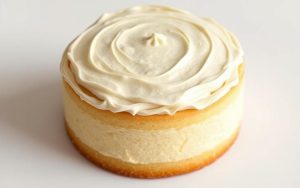
Red velvet cake is a dessert that exudes luxury, with its soft, creamy texture and distinctive appearance. Despite its popularity, many people misunderstand its true nature, assuming it’s just a chocolate cake with added red food coloring.
The reality is that traditional red velvet cake combines elements of both vanilla and chocolate cake, boasting a unique flavor profile and velvety texture. This comprehensive guide will explore the definition, history, ingredients, and science behind this beloved dessert, examining why it has remained a favorite for generations.
By delving into the characteristics that set cake apart, including its subtle cocoa flavor and vibrant red velvet color, we’ll gain a deeper understanding of its enduring appeal for special occasions and celebrations.
This beloved dessert has gained popularity due to its one-of-a-kind taste and striking red color. The unique characteristics of red velvet cake make it a standout in the world of desserts.
Unique Flavor Profile
The flavor profile of red velvet cake is a perfect blend of subtle cocoa taste and tangy buttermilk, creating a truly unique taste experience. As noted by experts, the cake’s flavor is enhanced when paired with a white cream-cheese frosting, which complements the buttermilk’s tanginess. For more insights on red velvet cake, you can visit Hummingbird Bakery’s blog.
Signature Texture and Appearance
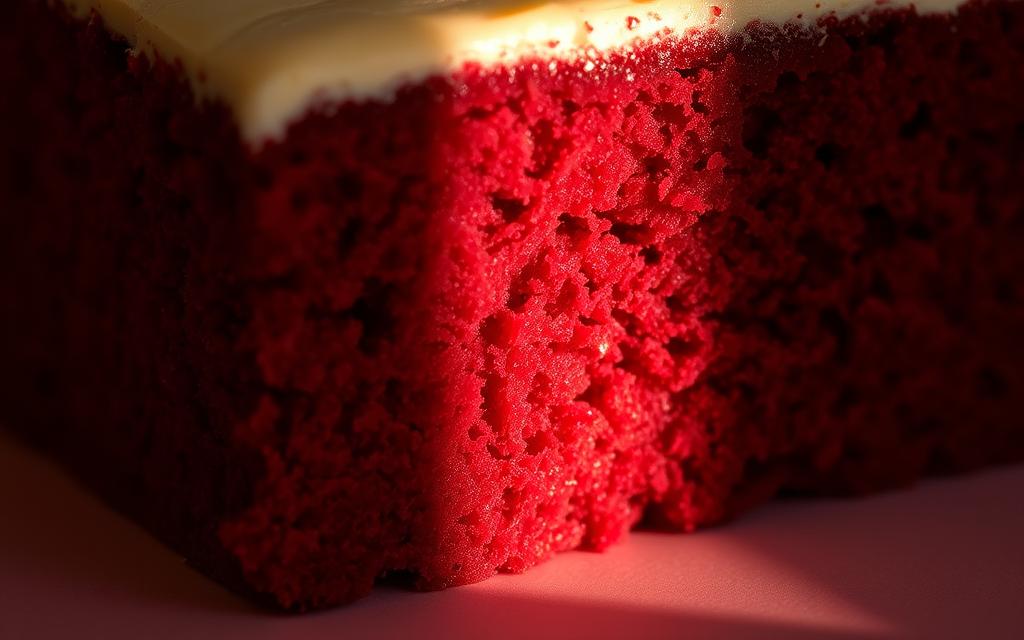
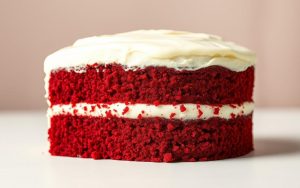
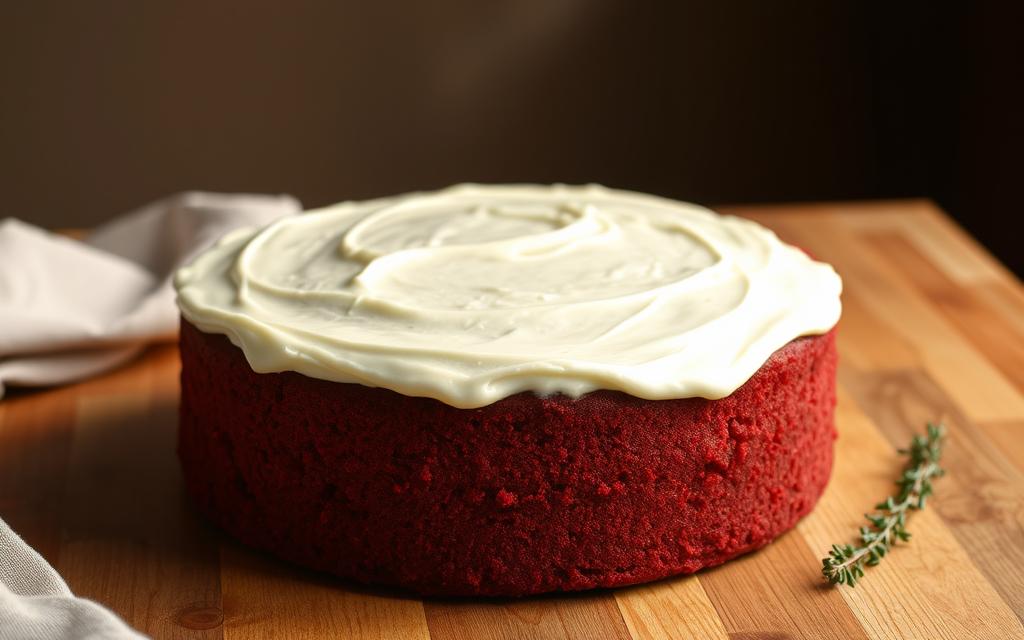
The texture of red velvet cake is its defining characteristic, with a moist, tender, and fine-crumbed consistency that gives the cake its name. The cake’s deep red color, achieved through the use of food coloring, creates a dramatic presentation when contrasted with white cream cheese frosting. Some key features of red velvet cake include:
A delicate balance between moist and light texture
A vibrant red color that has become iconic
A fine-crumbed texture achieved through the reaction between acidic ingredients and cocoa powder
What is Red Velvet Cake?
Red Velvet Cake is a dessert that has garnered significant attention in recent years, but its true nature remains misunderstood by many. While it’s often associated with chocolate cake, the reality is more complex.
Definition and Key Characteristics
At its core, Red Velvet Cake is defined by its unique blend of ingredients, including non-alkalized cocoa powder, buttermilk, and vinegar. These components contribute to its distinctive flavor and texture. The cake’s signature red color traditionally results from a chemical reaction between the cocoa powder and acidic ingredients, rather than solely from red food coloring.
Common Misconceptions
Several misconceptions surround Red Velvet Cake. One common myth is that it’s simply chocolate cake with added red coloring. However, its unique flavor profile and ingredient composition set it apart. Others believe it’s a modern invention, when in fact, it has a rich history. Additionally, some assume any cake with red coloring can be called Red Velvet, ignoring the specific ingredient combination and preparation methods that define this dessert.
The Fascinating History of Red Velvet Cake
Red velvet cake has a storied past, with its origins and evolution shaped by both culinary traditions and commercial interests. The cake’s history is a complex narrative that involves the interplay of various factors, including recipe development, marketing strategies, and consumer preferences.
Origins and Early Versions
The origins of red velvet cake are not well-documented, but it is believed to have emerged in the early 20th century. Early versions of the cake had a more subtle color and flavor profile compared to the modern version. The cake’s distinctive red color was initially achieved through the reaction of cocoa powder with acidic buttermilk.
The Adams Extract Influence
The modern bright red version of red velvet cake gained widespread popularity in the 1920s when Adams Extract, a Texas-based food coloring company, began promoting a recipe that used their red food coloring. This marketing strategy was particularly effective during the Great Depression, as their recipe cards offered an affordable way to create a visually impressive dessert. The company’s recipe called for a significantly larger amount of red food coloring, transforming the cake’s appearance.
The use of red food coloring became a defining characteristic of red velvet cake, shifting the focus from its texture to its striking color.
Adams Extract’s influence on red velvet cake demonstrates how commercial interests can shape culinary traditions and expectations over time.
The promotion of red velvet cake by Adams Extract helped to popularize the dessert across the United States.
Essential Ingredients That Make Red Velvet Cake Special
To understand what makes Red Velvet Cake so beloved, we need to look at its essential ingredients. The combination of these ingredients is what gives the cake its unique flavor and texture.
Cocoa Powder: The Subtle Chocolate Element
Cocoa powder adds a subtle chocolate flavor to the cake. It’s a crucial ingredient that enhances the overall taste without overpowering it.
Buttermilk and Vinegar: The Secret to Its Texture
The use of buttermilk and vinegar contributes to the cake’s moist texture. The acidity in these ingredients reacts with the baking soda to produce a light, fluffy crumb.
Red Food Coloring: Natural vs. Artificial
Red food coloring is what gives Red Velvet Cake its distinctive color. While traditional recipes use artificial coloring, some modern variations opt for natural alternatives.
Other Key Ingredients
Other crucial ingredients include cake flour, which provides a tender crumb, granulated sugar for sweetness, eggs for structure and moisture, pure vanilla extract for added depth, and baking soda as a leavening agent. Each of these components plays a vital role in creating the cake’s signature taste and texture.
The Science Behind Red Velvet Cake
The distinctive characteristics of red velvet cake can be attributed to the intricate science behind its ingredients and their interactions. This cake’s unique properties are a result of specific chemical reactions that occur during its preparation.
Chemical Reactions That Create the Color
The reaction between the cocoa powder, buttermilk, and vinegar contributes to the cake’s distinctive color. Although the exact mechanism of the red color formation is complex, it involves the anthocyanins in the cocoa reacting with the acidic environment created by the buttermilk and vinegar.
The Role of Acidity in Texture Development
The acidity in buttermilk and vinegar plays a crucial role in developing the cake’s texture. The acidic ingredients react with baking soda to produce carbon dioxide gas, creating tiny bubbles in the batter that expand during baking, giving the cake its light and fluffy texture. Additionally, the acidity helps break down proteins in the flour, resulting in a tender crumb structure.
Traditional Red Velvet Cake Recipe
To make an authentic red velvet cake, follow this tried-and-true recipe that yields a moist and flavorful dessert.
Ingredients List
The essential ingredients for this classic cake include:
2 cups cake flour
1 cup granulated sugar
2 tablespoons unsweetened cocoa powder
1 teaspoon baking powder
1 teaspoon salt
1 cup buttermilk
2 large eggs
2 tablespoons red food coloring
Step-by-Step Preparation
To prepare the cake, start by preheating the oven to 350°F (175°C). Grease and flour three 9-inch cake pans. In a large mixing bowl, combine the dry ingredients. In a separate bowl, whisk together the wet ingredients, being careful not to overmix the batter. Gradually add the dry ingredients to the wet ingredients, mixing until just combined.
Baking Tips for Perfect Results
To achieve perfect results, avoid overmixing the batter after adding the flour, as this develops gluten and results in a tough cake. Ensure all ingredients are at room temperature before beginning, and resist opening the oven door during the first 20 minutes of baking. Use this recipe to create a delicious red velvet cake.
Cream Cheese Frosting: The Perfect Pairing
Cream cheese frosting is more than just a topping for Red Velvet Cake; it’s a match made in culinary heaven. The tangy flavor of cream cheese perfectly complements the subtle cocoa and vanilla notes in the cake.
Why Cream Cheese Frosting Complements Red Velvet
The richness of cream cheese frosting balances the slight acidity in Red Velvet Cake, creating a harmonious taste experience. This frosting requires just a few key ingredients: full-fat cream cheese, unsalted butter, confectioners’ sugar, and vanilla extract.
Classic Cream Cheese Frosting Recipe
To make this frosting, you’ll need 16 ounces of softened cream cheese, 3/4 cup of unsalted butter, 5 cups of confectioners’ sugar, and 1.5 teaspoons of vanilla extract. Beat the cream cheese and butter until smooth, then gradually add the sugar. Finish with a pinch of salt to balance the sweetness.
Modern Variations and Creative Adaptations
Red velvet cake has evolved, inspiring a range of creative adaptations. This classic dessert has been reimagined in various forms, from individual treats to innovative flavor combinations.
Red Velvet Cupcakes and Other Desserts
One of the most popular modern variations is red velvet cupcakes, which offer a convenient and portable version of the classic cake. Other creative desserts include red velvet cake pops, ice cream, and even waffles. These adaptations have made it easier for people to enjoy the distinctive flavor and texture of red velvet in new and exciting ways.
Regional and International Interpretations
Red velvet cake has gained global popularity, with various regions adding their unique twist. For instance, in the Southern United States, traditional recipes often feature a more pronounced buttermilk flavor. European versions tend to use high-quality chocolate for a deeper cocoa flavor, while Asian interpretations may incorporate unique ingredients like green tea or black sesame. In Australia and New Zealand, red velvet cake is often made with a lighter texture and local ingredients such as macadamia nuts or passion fruit.
The Southern United States is known for its traditional red velvet cake with a stronger buttermilk flavor.
European versions focus on high-quality chocolate for a richer taste.
Asian adaptations often include unique flavors like green tea or black sesame.
Australia and New Zealand versions are typically lighter and may include local ingredients.
Conclusion
Red velvet cake has become an iconic dessert, captivating bakers and dessert lovers worldwide. Its unique flavor profile and velvety texture make it a beloved treat. Understanding what makes red velvet cake special helps appreciate its enduring popularity. The perfect velvet cake achieves harmony between subtle cocoa notes, tangy buttermilk, and rich buttery flavors, all complemented by cream cheese frosting. This cake is a true culinary delight.
FAQ
What gives Red Velvet Cake its distinctive color?
The cake’s signature color is due to a reaction between the cocoa powder and acidic ingredients, such as buttermilk and vinegar, along with the addition of red food coloring.
Can I make Red Velvet Cake without red food coloring?
While it’s possible to make a version without artificial coloring, the cake’s iconic color will be lost. Some recipes use beet juice or other natural alternatives to achieve a similar hue.
What is the role of buttermilk in Red Velvet Cake?
Buttermilk adds moisture, tenderness, and a subtle tanginess to the cake. Its acidity also reacts with the baking soda to help the cake rise.
Can I substitute cream cheese frosting with another type of frosting?
While cream cheese frosting is a classic pairing for Red Velvet Cake, you can experiment with other frostings, such as whipped cream or buttercream. However, cream cheese frosting complements the cake’s flavors and texture uniquely.
How do I achieve the right texture for Red Velvet Cake?
To achieve the characteristic tender crumb, ensure you don’t overmix the batter, and use the right balance of wet ingredients and dry ingredients. Also, don’t overbake the cake.
Can I make Red Velvet Cake ahead of time?
Yes, you can make the cake ahead of time. Bake, cool, and store it in an airtight container. Frost the cake just before serving to prevent the frosting from becoming too soft.