Bakers seeking lighter, more tender cakes often turn to cake flour due to its lower protein content. Unlike all-purpose flour, cake flour produces a delicate texture that’s hard to achieve with other types of flour.
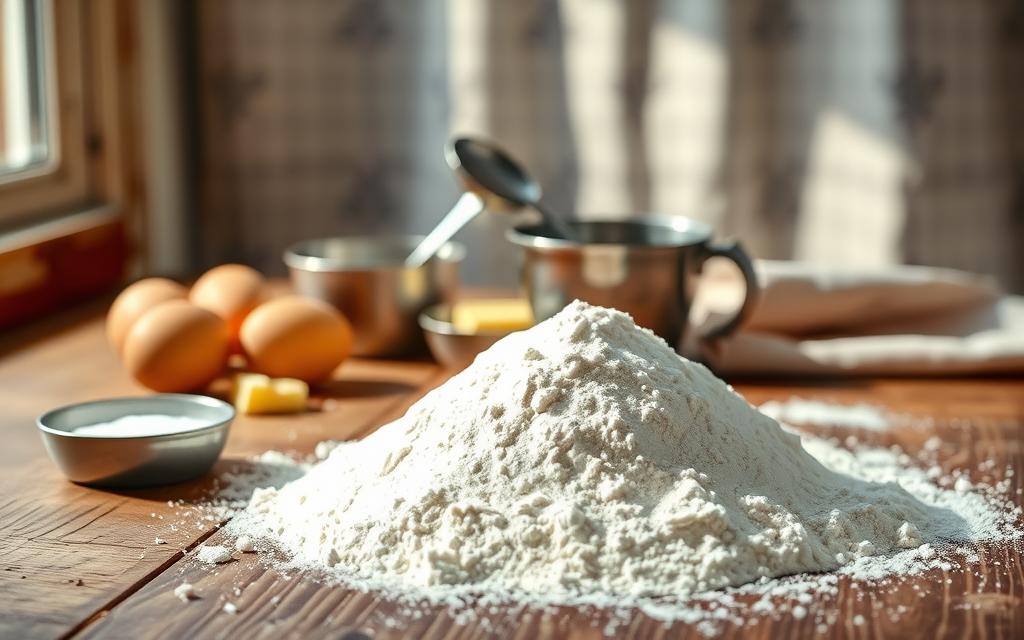
Making cake flour at home is surprisingly simple and requires just two common ingredients: all-purpose flour and cornstarch. By substituting a portion of all-purpose flour with cornstarch, you can create a perfect substitute for store-bought cake flour. This recipe for homemade cake flour can be used in various baked goods, such as a delicious vanilla cake with fresh strawberries, where texture is crucial.
For another cake option, carrot cake is worth trying.
In this article, we’ll provide a comprehensive guide on understanding, making, and using cake flour, ensuring you achieve the best results in your baking endeavors.
When it comes to baking, the type of flour used can significantly impact the final product. Cake flour, in particular, is designed to produce tender and delicate baked goods.
Understanding Protein Content in Flour
The protein content in flour is a critical factor in determining its suitability for various baking tasks. Cake flour contains about 7-9% protein, which is significantly lower than the 10-12% found in all-purpose flour. This lower protein content directly affects gluten formation.
With less protein, cake flour results in less gluten being formed during the mixing process, leading to a softer and fluffier texture in the final product.
How Cake Flour Affects Your Baking
The characteristics of cake flour have several benefits for baking. It improves the texture of cakes and delicate pastries, making them more tender and softer. The reduced gluten formation results in a more delicate crumb structure.
Flour Type
Protein Content
Gluten Formation
Texture
Cake Flour
7-9%
Low
Soft, Fluffy
All-Purpose Flour
10-12%
Moderate to High
Dense, Chewy
Using cake flour can significantly enhance the quality of your baked goods, particularly in terms of texture and mouthfeel. The differences in liquid absorption between cake flour and other types of flour also affect the final moisture content of your baked goods.
Cake Flour vs. All-Purpose Flour: Key Differences
The primary difference between cake flour and all-purpose flour is their protein content, which plays a vital role in determining the texture of baked goods. Cake flour typically contains 5 to 8% protein, whereas all-purpose flour contains 10 to 12%, and bread flour contains 12 to 16%.
Protein Content Comparison
The protein content in flour affects the structure and texture of the final product. Cake flour’s lower protein content results in a more delicate crumb, while all-purpose flour’s higher protein content makes it more versatile for various baked goods.
Texture and Results in Baking
The texture differences between baked goods made with cake flour and all-purpose flour are noticeable. Cake flour produces a finer, more delicate crumb structure, ideal for cakes and pastries. In contrast, all-purpose flour can result in a denser texture. As a renowned baking expert once said, “The right flour can make all the difference in the world when it comes to the texture of your baked goods.”
“Using the right type of flour is crucial for achieving the desired texture in your baked products.”
Professional bakers often choose cake flour for recipes where a tender crumb is essential.
When to Use Cake Flour in Your Recipes
The decision to use cake flour in your recipes depends on the type of cake you’re making and the texture you want to achieve. Cake flour is ideal for delicate cakes that require a tender crumb.
Best Types of Cakes for Cake Flour
Cakes that benefit from cake flour include vanilla cake, white cake, pineapple upside-down cake, and red velvet cake. These cakes are known for their light and fluffy texture, which cake flour helps to achieve.
When to Avoid Using Cake Flour
However, cake flour is not suitable for all types of cakes. For instance, chocolate cake recipes that include cocoa powder may become too delicate and flimsy if made with cake flour. Similarly, cakes with heavy add-ins or fruit may require the additional structure provided by higher-protein flours. When working with moisture-rich batters or dense recipes, it’s often better to opt for all-purpose flour to ensure the cake holds its shape.
Creating your own cake flour substitute is easier than you think and can be done with ingredients you likely have on hand. To make cake flour, you’ll need to start with all-purpose flour and modify it slightly.
Ingredients You’ll Need
To make this simple cake flour substitute, you’ll need:
1 cup of all-purpose flour
2 tablespoons of cornstarch
That’s it! With these two ingredients, you can create a flour cornstarch mixture that works beautifully as a cake flour substitute.
Step-by-Step Instructions
Here’s how to make your cake flour substitute:
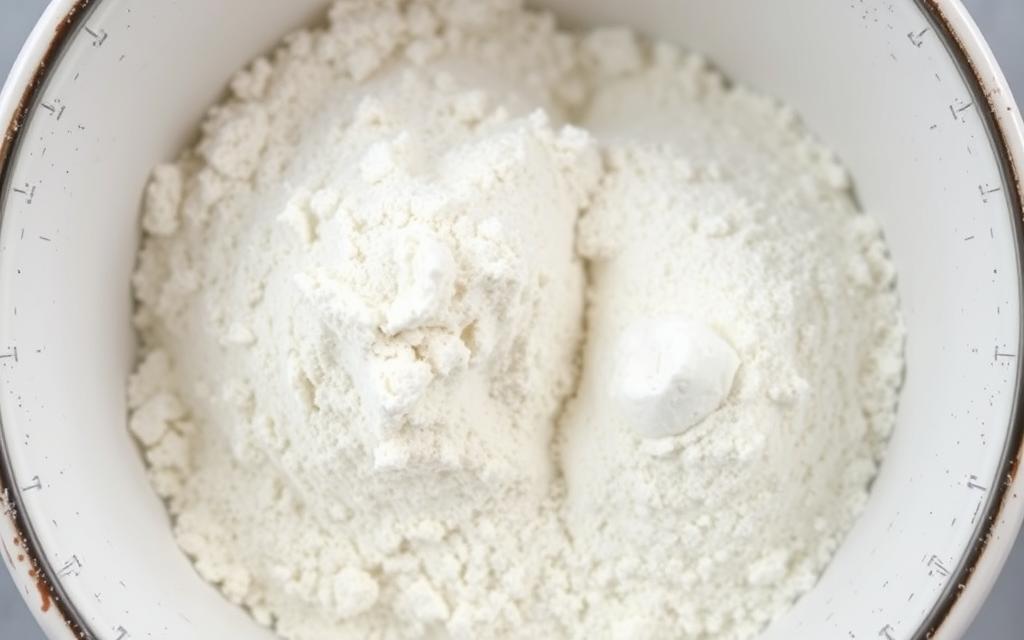
Start by measuring out 1 cup of all-purpose flour into a bowl.
Remove 2 tablespoons of the flour from the cup.
Replace the 2 tablespoons of flour you removed with 2 tablespoons of cornstarch.
Give the mixture a good stir to combine.
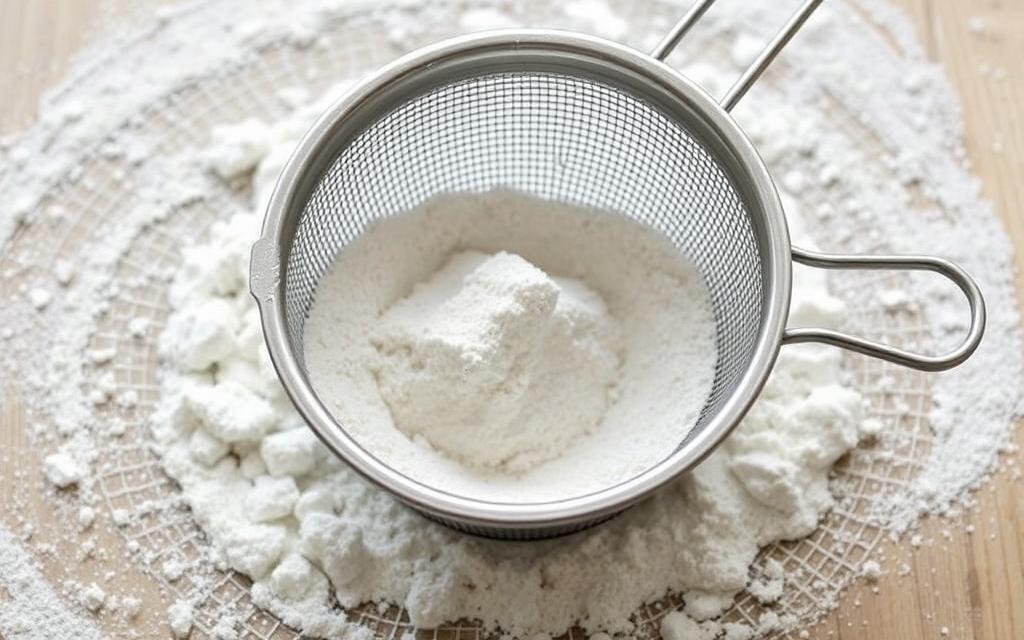
Sift the mixture several times to ensure it’s evenly distributed and there are no lumps.
For larger quantities, simply scale up the ingredients accordingly. If you’re looking for a delicious way to use your homemade cake flour, check out this simple cake recipe featuring cherries.
To store your finished cake flour substitute, place it in an airtight container and keep it in a cool, dry place.
Tips for Perfect Homemade Cake Flour
Creating the perfect homemade cake flour requires attention to detail and the right techniques. When making a cake flour substitute, it’s crucial to be precise in your measurements to achieve the desired texture in your baked goods.
Measuring Techniques
To ensure accuracy, use a digital scale to measure your ingredients. When mixing the flour and cornstarch in a bowl, gently fold them together until well combined. This helps prevent the formation of lumps and ensures an even distribution of the ingredients.
Storage Recommendations
Proper storage is key to maintaining the quality of your homemade cake flour. Store it in an airtight container in a cool, dry place. For more detailed guidance on making cake flour, you can visit https://www.biggerbolderbaking.com/cake-flour/. Homemade cake flour can typically be stored for up to 6 months. Check for signs of spoilage, such as an off smell or visible mold, before using. By following these tips, you can enjoy high-quality cake flour for all your baking needs.
Having the right tools is crucial when making cake flour from all-purpose flour. The process involves sifting and measuring ingredients accurately to achieve the desired consistency.
Essential Sifting Equipment
A fine-mesh sifter is essential for making cake flour. It not only mixes the ingredients together but also aerates the mixture, ensuring a consistency similar to store-bought cake flour. Sifting is a critical step in the process, as it removes lumps and incorporates air, making the flour lighter and more suitable for baking.
Measuring Tools for Accuracy
To make cake flour accurately, you’ll need precise measuring tools. Digital kitchen scales are highly recommended for measuring flour and cornstarch. Specialized measuring cups and spoons designed for dry ingredients can also improve accuracy. Regular calibration and maintenance of these tools ensure consistent results. Professional bakers rely on these tools to achieve precision when working with flour, emphasizing the importance of accuracy in the baking process.
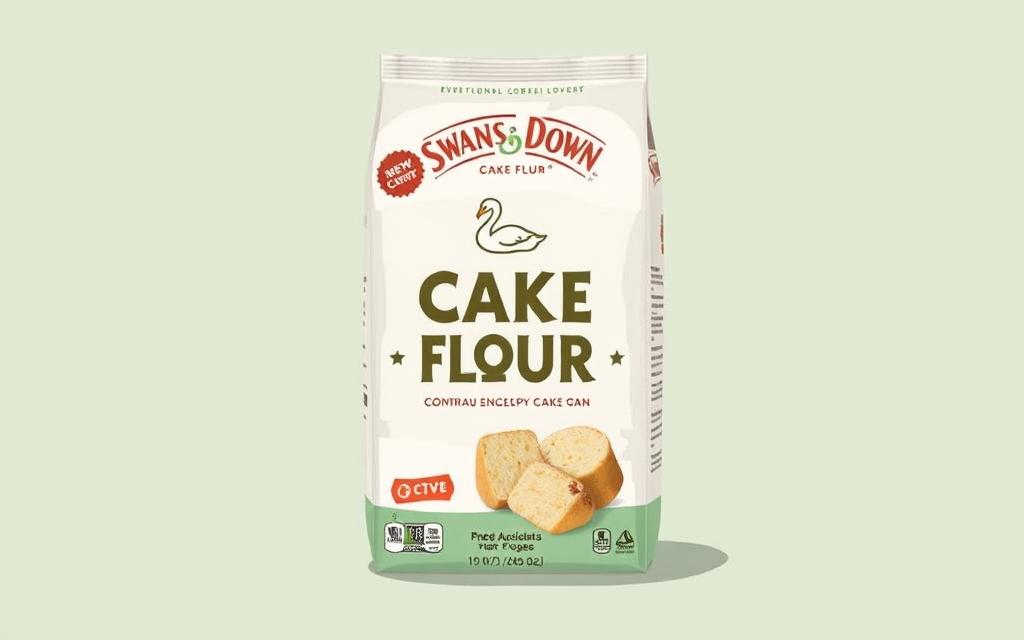
For those who prefer to buy rather than make their cake flour, several top brands are available in stores. If you’re purchasing cake flour, some popular brands stand out for their quality. Swans Down and Softasilk are highly recommended for their fine texture and consistent results.
Top Cake Flour Brands
Both Swans Down and Softasilk offer excellent performance in baking, whether you’re making a delicate sponge cake or a rich chocolate cake. You can choose between bleached and unbleached options, depending on your preference and the specific recipe requirements.
Where to Find Cake Flour in Stores
Cake flour is typically found in the baking aisle of most grocery stores, alongside other types of flour like all-purpose flour and bread flour. Major retailers like Walmart and Kroger usually carry a variety of cake flour brands. Specialty stores that focus on baking supplies may also carry a wider selection of cake flour options, including organic and imported brands.
Conclusion
By making your own cake flour, you can ensure the best results for your baked goods. With just two common ingredients, you can create a high-quality flour substitute that’s perfect for delicate cake recipes. This simple process can elevate your baking and provide tender, light-textured results. Experiment with cake flour in your favorite cake recipes to see the difference. Understanding the unique properties of cake flour and when to use it will take your home baking to the next level.
FAQ
What is the main difference between cake flour and all-purpose flour?
The primary difference lies in their protein content. Cake flour has a lower protein content, typically around 6-8%, whereas all-purpose flour has a protein content of 10-12%. This variation affects the texture and structure of baked goods.
Can I substitute cake flour with all-purpose flour in recipes?
While you can substitute, it’s not always recommended. All-purpose flour has a higher protein content, which can result in a denser cake. However, you can make a substitute by mixing all-purpose flour with cornstarch to lower the protein content.
How do I store homemade cake flour?
Store homemade cake flour in an airtight container in a cool, dry place. It’s best to use it within a few months for optimal freshness and performance.
What types of baked goods benefit from using cake flour?
Cake flour is ideal for delicate baked goods like vanilla cakes, red velvet cakes, and cupcakes. It produces a tender crumb and a lighter texture, making it perfect for these types of recipes.
Can I use cake flour for bread making?
Cake flour is not suitable for bread making due to its low protein content. Bread requires a stronger gluten structure, which is typically achieved with bread flour or all-purpose flour that has a higher protein content.
How do I measure cake flour accurately?
To measure cake flour accurately, use a digital scale or a measuring cup with a flat top. Spoon the flour into the measuring cup and level it off without compacting the flour. This ensures you get the right amount for your recipe.