How to Make Cake: A Beginner’s Guide to Baking
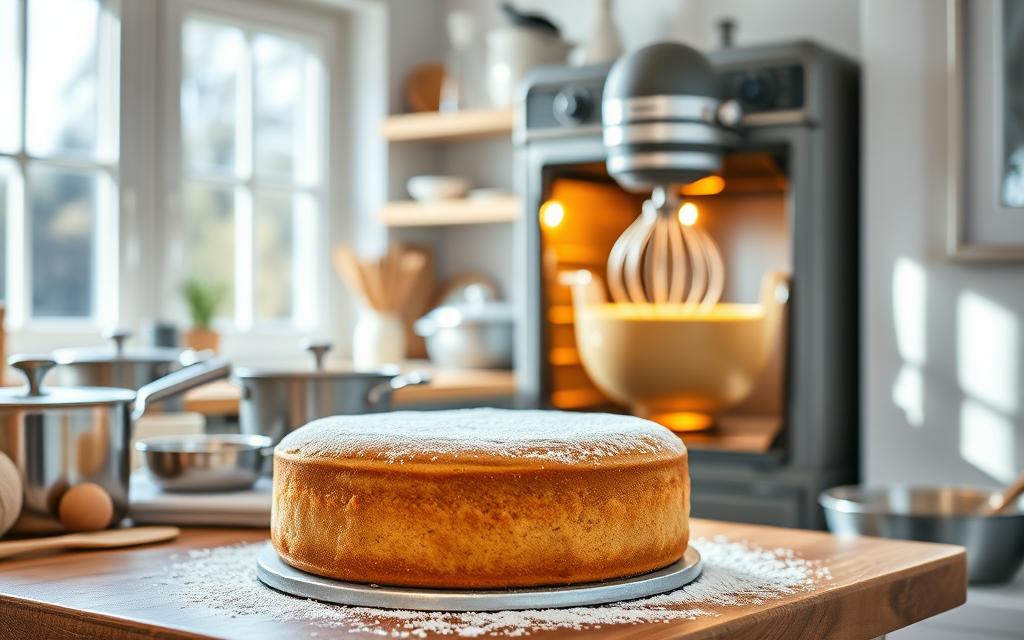
Baking a cake can be a daunting task for beginners, but with the right guidance, it can become a enjoyable experience. Understanding the fundamentals of cake baking is crucial for creating delicious treats.
This comprehensive guide will walk you through the essentials of baking a perfect cake. You’ll learn about the importance of ingredients in a recipe and how they affect the final product. By mastering the techniques outlined in this guide, you’ll be able to create a variety of cakes using different recipes.
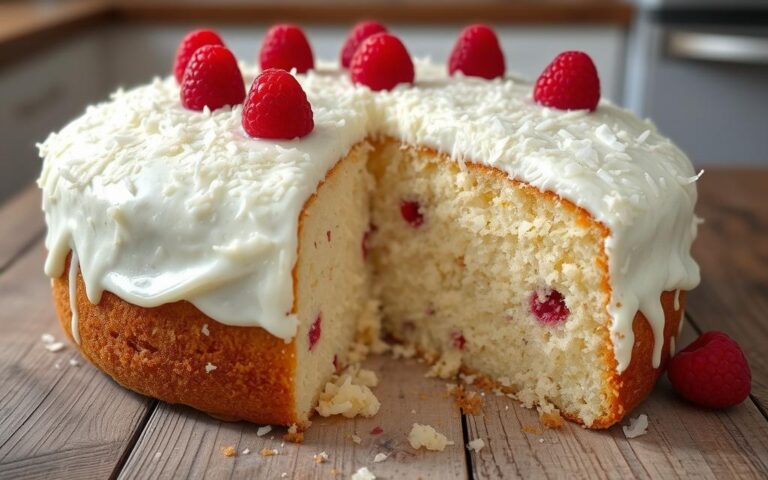
For another cake option, coconut cake is worth trying.
With this guide, you’ll gain the confidence to experiment with your own baking creations and troubleshoot common problems. Whether you’re a novice or an experienced baker, this guide is designed to help you improve your skills and produce delicious homemade cakes for any occasion.
The Basics of Cake Baking
For a cake that is both delicious and visually appealing, mastering the basics is key. Cake baking is a nuanced process that involves understanding different cake types, textures, and the equipment necessary for achieving the perfect bake.
Understanding Cake Types and Textures
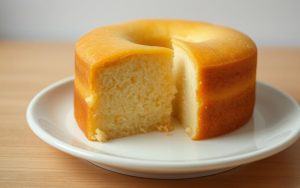
Cakes come in various types and textures, ranging from moist and fluffy to dense and rich. The texture is largely determined by the ingredients and mixing methods used. For instance, a vanilla cake, a reader favorite, is known for its plush, moist, and fluffy crumb. Achieving such a texture requires precision in baking and the right mixing techniques.
Related Posts:


Essential Equipment for Cake Baking
Having the right equipment is crucial for successful cake baking. Here’s a breakdown of the essential tools:
| Equipment | Purpose |
|---|---|
| Quality Cake Pans | Ensure even heat distribution for consistent results. |
| Stand Mixer or Hand-held Electric Mixer | Makes the mixing process easier and more effective. |
| Measuring Cups and Spoons | Ensure accuracy in measurements, crucial for baking. |
| Kitchen Scale | Provides the most accurate measurements, especially for flour. |
| Mixing Bowls | Accommodate different batters and mixing methods, a large bowl is often necessary. |
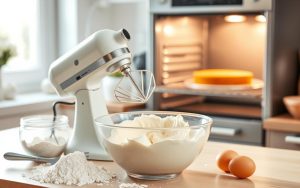
Using a mixer, whether stand or handheld, significantly simplifies the mixing process, ensuring that ingredients are well incorporated. Additionally, having parchment paper, cooling racks, offset spatulas, whisks, and pastry brushes on hand can greatly enhance the baking experience and the final product’s quality.
Key Ingredients for a Perfect Cake
To bake a cake that’s nothing short of perfect, one must first grasp the importance of its constituent parts. The quality and characteristics of the ingredients directly influence the final product’s texture, flavor, and appearance.
Flour, Sugar, and Leavening Agents
The foundation of a cake lies in its dry ingredients. Plain or all-purpose flour is often preferred over cake flour because it allows the flavors of butter and vanilla to shine through better, resulting in a slightly more velvety crumb that remains moist. Caster or superfine sugar is ideal as it dissolves more efficiently in eggs, contributing to a smoother batter. Baking powder, a leavening agent, is crucial for the cake’s rise; it’s preferred over baking soda as it provides a better lift.
Fats, Eggs, and Liquids
Fats, eggs, and liquids add moisture, richness, and structure to the cake. Full-fat milk is recommended for its simplicity and effectiveness. Eggs, when whipped, incorporate air, making the cake light and fluffy. The quality of these ingredients significantly affects the cake’s overall texture and taste.
Flavorings and Add-ins
Flavorings and add-ins can elevate a cake from basic to extraordinary. Pure vanilla extract is prized for its ability to provide a deep, rich flavor without the aftertaste associated with artificial vanilla. Vanilla serves as a foundation that enhances other flavors. Other flavor enhancers include citrus zest for its intense flavor and alcohol-based flavorings for added complexity. When incorporating add-ins like chocolate chips or fruit, coating them in flour prevents them from sinking to the bottom of the cake.
By carefully selecting and balancing these ingredients, bakers can create cakes that are not only delicious but also visually appealing. The use of vanilla and other flavorings adds depth and complexity, making the cake a true delight.
How to Make Cake: Step-by-Step Process
Baking a cake can seem daunting, but breaking it down into a step-by-step process makes it manageable for beginners. Understanding the intricacies of each step is crucial for achieving a delicious and visually appealing cake.
Preparing Your Ingredients and Workspace
Before starting, ensure all ingredients are measured and ready to use. This preparation is key to a smooth baking process. As “The Cake Bible” by Rose Levy Beranbaum suggests, “Having all your ingredients ready is half the battle in cake baking.” It’s also essential to have a clean and organized workspace, allowing you to focus on the task at hand.
Mixing Methods: Creaming vs. All-in-One
The method of mixing can significantly affect the final texture of your cake. The creaming method, which involves beating the eggs and sugar together until they become thick and glossy, is a technique often used for cakes requiring a light and fluffy texture. As demonstrated in the data,
“Beat the eggs with sugar for a whole 7 minutes until thick and glossy, it changes from yellow to white, and tripled in volume (just over double depth in the bowl).”
This aeration is crucial for a soft crumb.
In contrast, the all-in-one method mixes all ingredients together at once. While quicker, it requires careful attention to avoid overmixing, which can lead to a dense cake.
Proper Batter Consistency and Pan Preparation
Achieving the right batter consistency is vital. The ideal batter should be smooth and pourable but not runny; it should fall from the spoon in ribbons. Overmixing or undermixing can lead to undesirable textures. To avoid these issues, scrape down the sides and bottom of the bowl frequently.
- Divide the batter evenly between pans using a scale for perfectly matched layers.
- Smooth the top of the batter with an offset spatula for even baking and a flat surface.
- Tap filled pans gently on the counter to release large air bubbles that could create holes.
For layer cakes, fill pans no more than 2/3 full to allow room for rising. The consistency of your batter indicates whether your cake will be dense or light; thicker batters generally produce denser cakes.
Baking Techniques for Perfect Results
Achieving perfect results in cake baking requires mastering several key techniques. The right approach can make all the difference between a cake that’s merely good and one that’s exceptional.
Oven Temperature and Positioning
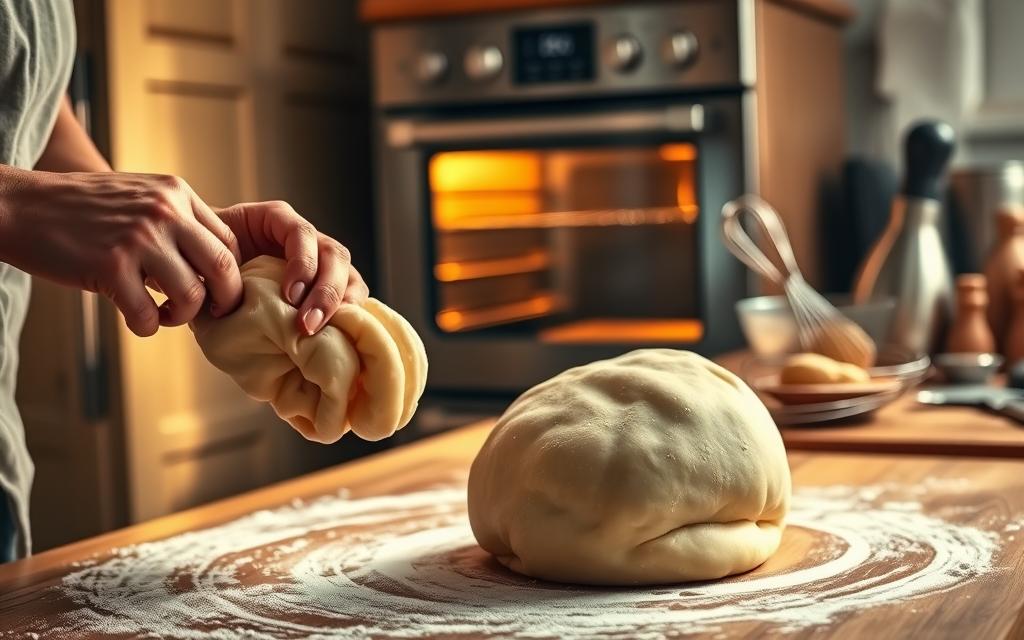
One crucial aspect of cake baking is understanding your oven’s temperature and how to position your cakes for optimal results. Make sure to preheat your oven to the correct temperature before baking. It’s also important to position your cakes in the center of the oven to ensure even baking.
Testing for Doneness
Knowing when your cake is done is vital. The most common method is to insert a toothpick into the center of the cake; if it comes out clean, the cake is ready. Time is also a factor, as cakes typically take between 25 to 35 minutes to bake, depending on their size and the oven’s temperature.
Cooling and Removing from Pans
Once your cake is baked, it’s essential to cool it properly. Allow cakes to cool in their pans for 10-15 minutes before attempting to remove them. Cooling too long in the pan can cause sticking, while removing too soon can cause breaking. To remove the cake, run a knife around the edges to loosen it, then invert onto a cooling rack. For layer cakes, cooling upside down helps flatten any domed tops for easier stacking. Make sure your cooling racks allow air circulation underneath to prevent condensation and soggy bottoms. Complete cooling can take 1-2 hours, depending on the cake’s size and density.
Proper cooling is crucial for achieving a cake that’s easy to handle and slice cleanly. Never frost a warm cake, as the heat will melt the frosting and create a messy result. By following these techniques, you can ensure your cakes turn out perfectly every time.
Classic Vanilla Cake Recipe
Achieving the perfect vanilla cake involves more than just following a recipe; it demands an understanding of the science behind baking. This classic vanilla cake recipe combines traditional techniques with modern twists to produce a moist and delicious dessert.
Ingredients List and Measurements
To start, you’ll need high-quality ingredients, including butter and milk, which play crucial roles in the texture and flavor of the cake. The precise measurements are as follows: 2 ¾ cups of all-purpose flour, 2 ½ teaspoons of baking powder, 1 teaspoon of salt, 1 cup of unsalted butter softened, 1 ¾ cups of granulated sugar, 3 large eggs, 2 teaspoons of pure vanilla extract, and 1 cup of whole milk at room temperature.
Detailed Mixing Instructions
The mixing process is critical in developing the cake’s texture. Begin by creaming the butter and sugar until light and fluffy, then incorporate the eggs one at a time, ensuring each is fully absorbed before adding the next. In a separate bowl, whisk together the dry ingredients, and then alternate adding the dry ingredients and milk to the butter mixture, starting and ending with the dry ingredients. For a detailed guide on mixing methods, you can refer to our previous section on mixing techniques.
Baking and Cooling Tips
Divide the batter evenly between prepared pans and tap them gently to release any large air bubbles. Bake in the center of the oven for 25-30 minutes, or until a toothpick inserted comes out clean. After baking, cool the cakes in the pans for 15 minutes before transferring them to cooling racks. For perfectly flat layers, cool the cakes upside down. This vanilla cake recipe yields layers that stay moist thanks to the combination of butter and milk. Allow the cakes to cool completely before frosting.
Decorating Your Cake
Once you’ve baked your cake, it’s time to get creative with the decoration. Decorating is where you can let your imagination run wild and add a personal touch to your cake.
Simple Buttercream Frosting Recipe
A classic vanilla buttercream is a popular choice for cake decoration. To make it, you’ll need butter, icing sugar, and vanilla extract. Beat the butter until it’s creamy, then gradually add the icing sugar until you achieve the desired consistency. Adding a hint of vanilla enhances the flavor.
Basic Decorating Techniques
To decorate your cake, start by applying a thin layer of buttercream to the outside, known as a crumb coat. Then, add the final layer of buttercream and smooth it out. You can use various techniques, such as piping borders or creating patterns with a spatula.
Creative Topping Ideas
To make your cake truly special, consider adding creative toppings. Some ideas include:
- Fresh berries for a pop of color and flavor
- Chocolate shavings or curls for an elegant look
- Edible flowers for a sophisticated appearance
- Sprinkles in various shapes and colors for a fun touch
- Crushed cookies or candy for added texture
- Drizzled chocolate or caramel for a decorative effect
- Toasted nuts for crunch and visual interest
- A dusting of icing sugar for a simple finish
When combining these elements, ensure they complement the flavor and appearance of your cake, creating a beautifulmixtureof textures and tastes.
Troubleshooting Common Cake Problems
Baking a cake can sometimes result in unexpected issues, but don’t worry, we’ve got you covered. Whether you’re a novice or an experienced baker, understanding how to troubleshoot common problems is essential for achieving perfect cakes.
Why Cakes Sink or Crack
Cakes can sink or crack due to several reasons, including incorrect oven temperature, overmixing the batter, or removing the cake from the oven too early. Make sure your baking powder is fresh and stored properly, as expired or poorly stored baking powder can cause your cakes to sink. Additionally, ensure that your oven is at the correct temperature, and avoid opening the oven door too frequently.
Fixing Dry or Dense Cakes
Dry or dense cakes often result from overmixing or incorrect ingredient ratios. To avoid this, mix your ingredients just until they come together, and make sure to measure your ingredients accurately. If your cake turns out dry, try brushing it with a simple syrup to add moisture.
Solutions for Uneven Baking
Uneven baking can be caused by hotspots in your oven or improper pan placement. To achieve even baking, rotate your cakes halfway through the baking time, and use an oven thermometer to verify the temperature. Also, ensure that your pans are centered and not touching each other or the oven walls. Proper storage in the days after baking can also help maintain even moisture distribution. When checking for doneness, insert a toothpick into the cake; it should comes clean throughout.
Conclusion
Cake baking is a skill that, once mastered, provides endless joy and opportunities for creative expression. By following this guide, you’ve gained the foundation to create delicious cakes and explore various recipes. Starting with simple vanilla cake recipes builds confidence and skills applicable to more complex baking projects. Regular practice improves your intuition about batters, baking times, and troubleshooting. Remember, the best cake is one made with care and attention to detail. As you continue to bake, you’ll develop your own signature cake recipes and techniques, making the art of cake baking a rewarding experience.
FAQ
What is the best type of flour to use for baking a cake?
For most cakes, it’s recommended to use self-raising flour or all-purpose flour with baking powder. Self-raising flour is a convenient option as it already contains a leavening agent, while all-purpose flour requires adding baking powder separately.
Why is it essential to use room temperature ingredients when baking a cake?
Using room temperature ingredients, such as eggs, butter, and milk, ensures they mix together smoothly and evenly, resulting in a cake with a tender texture and even structure.
How can I prevent my cake from sticking to the pan?
To prevent sticking, grease the pan with butter and line the bottom with parchment paper. This will ensure your cake releases easily once it’s baked and cooled.
What is the purpose of baking powder in cake recipes?
Baking powder is a leavening agent that releases carbon dioxide gas, causing the cake to rise. It’s essential to use the right amount, as too little or too much can affect the cake’s texture and structure.
Can I substitute caster sugar with regular granulated sugar in cake recipes?
Yes, you can substitute caster sugar with regular granulated sugar, but keep in mind that caster sugar dissolves more easily, which can result in a smoother batter.
Why is it crucial to not overmix the cake batter?
Overmixing can lead to a dense, tough cake. Mixing the ingredients just until they come together ensures a tender crumb and a cake that’s light and fluffy.
How do I achieve a moist and delicious chocolate cake?
To achieve a moist chocolate cake, use high-quality cocoa powder or melted chocolate, and don’t overbake. Also, ensure you’re using the right ratio of sugar to flour and eggs.
Can I use vanilla extract in other cake flavors, like chocolate?
Yes, a small amount of vanilla extract can enhance the flavor of chocolate cakes by adding depth and warmth. However, use it sparingly to avoid overpowering the chocolate flavor.