Learn How to Cook Crab Cakes with Our Simple Recipe
Crab cakes are a beloved dish in the United States, particularly in Maryland, where Chesapeake blue crabs are a staple. These delicious crab cakes are made with fresh crab meat, breadcrumbs, mayonnaise, and various seasonings.
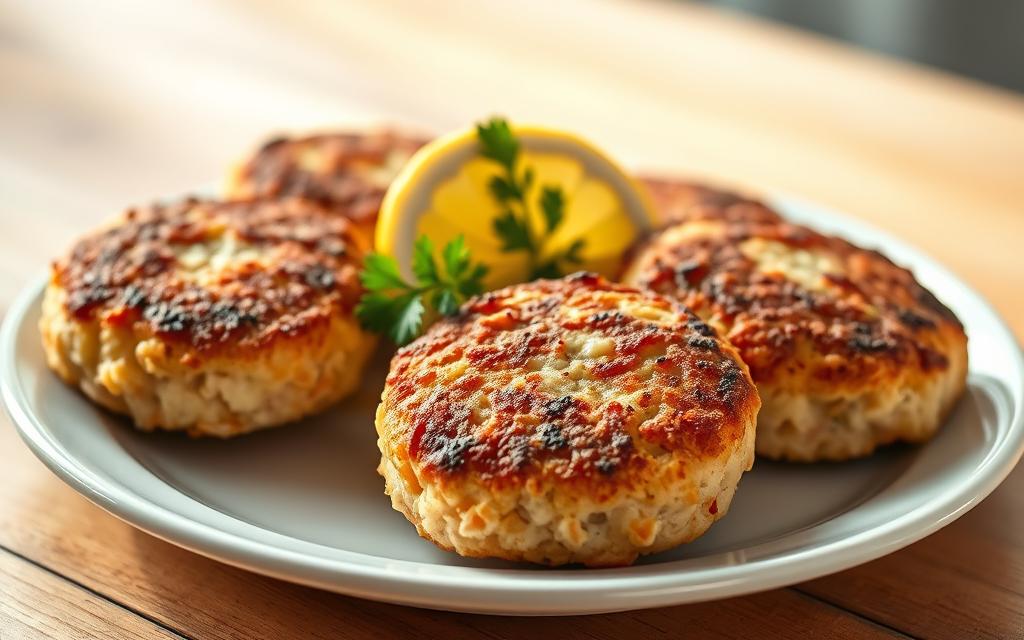
Our comprehensive guide will walk you through creating restaurant-quality crab cakes at home. You’ll learn how to cook crab cakes using various methods, including baking, grilling, or pan-frying, as seen in this Maryland crab cakes recipe. With our simple recipe, you’ll be able to achieve perfectly golden, crispy exteriors and tender, flavorful interiors.
By mastering our crab cakes recipe, you’ll be able to prepare impressive seafood dishes for any occasion.
What Makes a Perfect Crab Cake
At the heart of every exceptional crab cake lies a delicate balance of flavors and textures, a harmony that is both an art and a science to achieve. The essence of a great crab cake is not just about the ingredients, but how they come together to preserve the integrity of the crab meat.
The Maryland Tradition
The Maryland tradition is renowned for its crab cakes, which are characterized by the use of fresh crab and large chunks of meat, unlike the canned versions that are more compact. This tradition emphasizes the quality and freshness of the crab.
Minimal Fillers, Maximum Flavor
The key to exceptional crab cakes is using just enough binding ingredients to hold the cake together without diluting the flavor of the crab. Traditional recipes achieve this by using minimal fillers and focusing on the natural sweetness of the crab.
Related Posts:



| Characteristics | Traditional Crab Cakes | Modern Variations |
|---|---|---|
| Crab Meat Quality | Fresh, large chunks | Canned, sometimes jumbo lump |
| Fillers Used | Minimal (breadcrumbs, egg) | Varies (may include more breadcrumbs or other fillers) |
| Flavor Profile | Delicate, natural sweetness | Can be more varied, sometimes less crab-forward |
By focusing on the quality of the crab and minimizing fillers, traditional crab cakes achieve a superior flavor profile that showcases the crab in cakes that are both delicious and authentic.
Choosing the Best Crab Meat
To create mouth-watering crab cakes, you need to start with high-quality crab meat. The type of crab meat you choose can significantly impact the flavor and texture of your crab cakes.
Jumbo Lump vs. Lump Crab Meat
When deciding on the type of crab meat, one of the primary considerations is whether to use jumbo lump or lump crab meat. Jumbo lump crab meat consists of large, succulent pieces that provide a premium texture, making it ideal for those looking for a more luxurious crab cake experience. On the other hand, lump crab meat, while still of high quality, has smaller pieces and is often more affordable. Both options are excellent, but jumbo lump is generally preferred for its visual appeal and tender texture.
Fresh vs. Canned Crab
Another crucial decision is whether to use fresh or canned crab. Fresh crab meat offers the purest flavor but requires significant preparation time if purchased in the shell. In contrast, canned jumbo lump crab meat is convenient and widely available, making it a popular choice for many recipes. While fresh crab is undeniably delicious, canned options like pasteurized crab meat provide a good balance between convenience and quality. Regardless of your choice, it’s essential to pick through the crab meat to remove any shell fragments or cartilage.
Essential Ingredients for Delicious Crab Cakes
Crafting the perfect crab cake begins with selecting the right ingredients. The quality and combination of these components will determine the overall flavor, texture, and success of your crab cakes.
The Binding Agents
The binding agents are crucial in holding the crab cake mixture together. Eggs and mayonnaise are commonly used for their binding properties and to add moisture. Mayonnaise also contributes to the richness of the crab cakes.
Flavor Enhancers
To enhance the flavor, ingredients like Dijon mustard, Worcestershire sauce, and Old Bay seasoning are often used. These add a depth of flavor without overpowering the crab. “A good crab cake should have a balance of flavors, with the crab being the star,” as many chefs would agree.
Breadcrumb Options
Breadcrumbs serve as both a binding agent and a texture modifier. Panko, or Japanese breadcrumbs, is preferred for its light, airy texture. As noted, “Panko won on both counts, with saltines coming in a creditable second place.” The choice between Panko and other breadcrumb options like crushed saltine crackers can affect the final texture of the crab cakes.
Using the right breadcrumbs is crucial; too little and the cakes may fall apart, too much and they become bready. For gluten-free options, crushed gluten-free crackers or certified gluten-free Panko can be used.
How to Cook Crab Cakes: Step-by-Step Instructions
With our detailed guide, you’ll be able to cook crab cakes that are sure to impress. Cooking crab cakes to perfection requires a few simple steps that ensure they retain their flavor and texture.
Preparing the Crab Mixture
Begin by gently combining the crab meat with the binding agents and flavor enhancers. Be careful not to break up the lumps of crab meat, as this can make the mixture dense. The goal is to distribute the ingredients evenly without compromising the texture of the crab.
Forming Perfect Patties
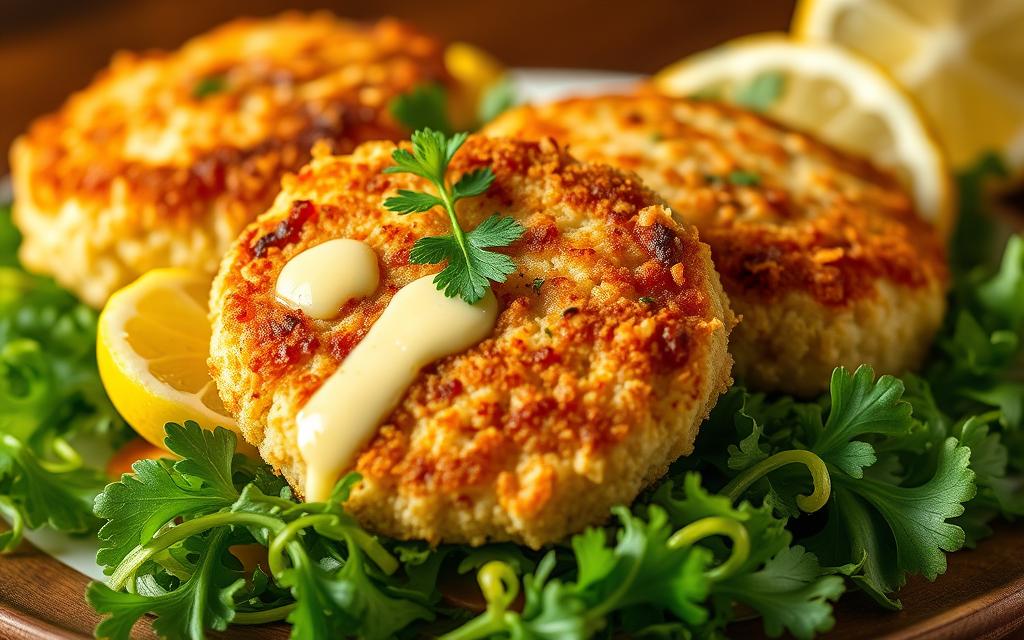
Once the crab mixture is ready, shape it into patties. Make sure they are evenly sized so that they cook uniformly. You can refrigerate the crab mixture for 30 minutes before forming into patties to help it hold together better.
The Crucial Chilling Step
After forming the patties, it’s essential to refrigerate them for at least 30 minutes. This step is crucial as it allows the binding ingredients to set, ensuring that the cakes maintain their shape during cooking. Chilling also gives the flavors time to meld together, resulting in a more cohesive taste profile. For best results, place the patties on a parchment-lined baking sheet and cover loosely with plastic wrap before refrigerating.
| Step | Description | Time |
|---|---|---|
| Preparing the Crab Mixture | Gently combine crab meat with binding agents and flavor enhancers | 10 minutes |
| Forming Perfect Patties | Shape the mixture into evenly sized patties | 15 minutes |
| The Crucial Chilling Step | Refrigerate the patties to allow binding ingredients to set | 30 minutes |
By following these steps and allowing the necessary time for chilling, you’ll be able to cook crab cakes that are both delicious and visually appealing.
Pan-Frying Crab Cakes to Golden Perfection
To cook crab cakes that are both crispy on the outside and tender on the inside, mastering the pan-frying technique is essential. This method requires attention to detail, from selecting the right oil to achieving the perfect cooking time.
Oil Selection and Temperature
The choice of oil for pan-frying crab cakes is crucial. Olive oil is a popular choice due to its flavor and relatively high smoke point. Heat the olive oil in a skillet over medium-high heat. It’s essential to monitor the heat carefully to prevent the oil from getting too hot, which can cause it to burn or smoke.
Cooking Time and Technique
Cook the crab cakes for approximately 3 to 5 minutes on each side, looking for a deep golden-brown color as your visual cue for doneness. To achieve this, avoid overcrowding the pan, which can lower the oil temperature and cause the cakes to steam rather than fry—work in batches if necessary.
| Cooking Technique | Tips | Benefits |
|---|---|---|
| Pan-Frying | Use a thin, wide spatula for flipping | Prevents breaking the crab cakes |
| Cooking Time | Cook for 3-5 minutes per side | Achieves a golden-brown crust |
| Oil Selection | Choose olive oil for its flavor | Enhances the taste of crab cakes |
After cooking, transfer the crab cakes to a paper towel-lined plate to absorb any excess oil. Let them rest for 1-2 minutes after cooking to allow the interior to set fully. By following these steps, you can achieve perfectly cooked crab cakes with a crispy exterior and a tender interior.
Alternative Cooking Methods
Crab cakes aren’t limited to pan-frying; several alternative cooking techniques can produce equally delicious results. For those looking to mix things up or reduce oil consumption, baking or using an air fryer are viable options.
Baking Crab Cakes in the Oven
Baking crab cakes is a healthier alternative to frying and can still yield a satisfying crunch. To bake, preheat your oven to 375°F (190°C). Place the crab cakes on a baking sheet lined with parchment paper, lightly brush with oil or melted butter, and bake for about 15-20 minutes, or until golden brown, flipping them halfway through.
Air Fryer Crab Cakes
Cooking crab cakes in an air fryer combines the benefits of baking and frying, achieving a crispy exterior with minimal oil. To air fry crab cakes, preheat the air fryer to 375°F. Lightly spray the air fryer basket and the tops of the crab cakes with cooking spray. Cook for 10-12 minutes, carefully flipping them halfway through. This method is ideal for those seeking a crispy texture without excessive oil.
Using an air fryer for crab cakes not only reduces fat content but also provides a convenient and quick cooking method. It’s essential to cook in batches if necessary, to avoid overcrowding the basket, ensuring that each crab cake cooks evenly.
Homemade Tartar Sauce and Serving Suggestions
Elevate your crab cake game with our suggestions for homemade tartar sauce and delicious sides. Serving crab cakes is a culinary experience that can be enhanced with the right accompaniments.
Quick Tartar Sauce Recipe
To complement your crab cakes, consider making a homemade tartar sauce. This can be achieved with a simple recipe that includes mayonnaise, chopped pickles, lemon juice, and herbs. The result is a creamy and tangy sauce that pairs perfectly with the richness of crab cakes. Serve the crab cakes warm with a dollop of this tartar sauce and a squeeze oflemonfor a delightful flavor combination.
Perfect Pairings and Sides
When it comes to serving crab cakes, the right sides can make all the difference. For a traditional Maryland experience, consider serving with corn on the cob, coleslaw, and hush puppies. Alternatively, lighter options like roasted asparagus or a citrus salad can provide a refreshing contrast to the richness of the crab cakes. Don’t forget to offerlemon wedgeson the side for an added burst of citrus flavor.
| Side Dish | Description |
|---|---|
| Tangy Vinegar Coleslaw | A refreshing side that complements the richness of crab cakes |
| Elote Corn Soup | A creamy and flavorful soup that pairs well with crab cakes |
| Grilled Tomatoes | A simple yet flavorful side that adds a burst of freshness |
For beverage pairings, a chilled white wine, light beer, or sparkling water withlemonmakes for a perfect accompaniment. By considering these suggestions, you can create a well-rounded and enjoyable dining experience for your crab cakes.
Storage and Make-Ahead Tips
Making crab cakes in advance is convenient, but storage is crucial for preserving flavor and texture. Whether you’re preparing ahead or storing leftovers, here are some essential tips to keep your crab cakes delicious.
Refrigerating Leftover Crab Cakes
If you have leftover crab cakes, it’s best to store them in an airtight container in the refrigerator. They can be safely stored for up to a day. When reheating, make sure they’re heated through to an internal temperature of 165°F (74°C) to ensure food safety.
Freezing Instructions
For longer storage, freezing is an excellent option. Uncooked crab cakes freeze better than cooked ones, maintaining their texture and flavor. To freeze, place the uncooked cakes on a parchment-lined baking sheet and freeze until solid, about 2 hours. Then, wrap each cake individually in plastic wrap and store in a freezer bag or airtight container for up to 1 month.
| Storage Method | Duration | Notes |
|---|---|---|
| Refrigerate | Up to 1 day | Store in airtight container |
| Freeze (Uncooked) | Up to 1 month | Freeze on baking sheet first, then wrap individually |
| Freeze (Cooked) | 2-3 weeks | Wrap individually; use within 3 weeks for best quality |
When you’re ready to cook frozen crab cakes, thaw them overnight in the refrigerator and then cook as instructed. If you’re reheating from frozen, add a few extra minutes to the cooking time and consider brushing with a little oil or butter to restore moisture.
Conclusion
Bringing the taste of the ocean to your table is simpler with our crab cake recipe. By following our guidelines, you can enjoy this beloved seafood delicacy without the restaurant prices. The key to success lies in using quality crab meat and proper cooking techniques. For more inspiration, check out other crab cake recipes and explore different crab dressing ideas to keep your cakes fresh and exciting.
FAQ
What type of crab meat is best for crab cakes?
Jumbo lump or lump crab meat is ideal for crab cakes, as it provides the best texture and flavor. Fresh crab meat is preferred, but canned crab meat can be used as a substitute.
Can I make crab cakes ahead of time?
Yes, you can prepare crab cakes ahead of time and refrigerate or freeze them until you’re ready to cook. This helps the patties hold their shape and makes cooking easier.
How do I prevent crab cakes from falling apart?
To prevent crab cakes from falling apart, make sure to chill them in the refrigerator before cooking, handle them gently, and don’t overcrowd the pan. Using the right binding agents, such as egg and mayonnaise, also helps.
Can I bake or air fry crab cakes instead of pan-frying?
Yes, you can bake or air fry crab cakes as alternative cooking methods. Baking in the oven or using an air fryer can result in a crispy exterior and a tender interior, with less oil than pan-frying.
What are some good side dishes to serve with crab cakes?
Popular side dishes to serve with crab cakes include coleslaw, roasted vegetables, and lemon wedges. You can also serve them with a side of tartar sauce or remoulade sauce for added flavor.
How long do leftover crab cakes last in the fridge?
Leftover crab cakes can be refrigerated for up to 3 days. Reheat them gently in the oven or pan to prevent drying out.
Can I freeze uncooked crab cakes?
Yes, you can freeze uncooked crab cakes. Place them on a baking sheet lined with parchment paper and freeze until solid, then transfer to a freezer-safe bag or container for up to 3 months. Thaw before cooking.