Crafting the perfect cake is a skill that every baker aspires to master. Whether you’re a beginner or an experienced baker, understanding the intricacies of baking is essential for creating delicious treats that impress.
A perfect cake is characterized by its texture, moisture, flavor, and appearance. Achieving this balance requires attention to detail and a thorough understanding of the ingredients and baking techniques involved.
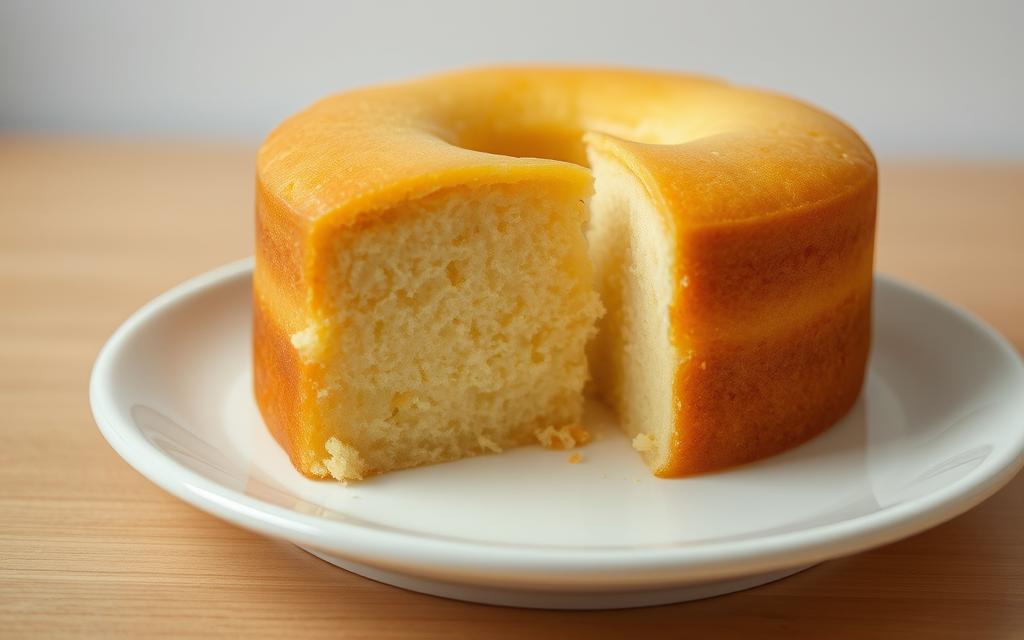
This guide will walk you through every step of the cake making process, from preparing the recipe to achieving a beautifully presented final product. Using vanilla cake as a foundation, you’ll learn the techniques necessary to create professional bakery-style results that stay fresh and moist for days.
Mastering the art of cake making starts with understanding its fundamental principles. To create a perfect cake, one must consider several key factors, including ingredient selection, mixing techniques, and baking processes.
Why Vanilla Cake Is the Perfect Starting Point
Vanilla cake is an ideal starting point for beginners because of its simplicity and versatility. The flavor is classic and appealing, making it a great base for various decorations and fillings. For a simple and delicious vanilla loaf cake recipe, visit this page.
Starting with a vanilla cake allows bakers to focus on mastering basic techniques without the complexity of additional flavors or ingredients.
The Science Behind a Perfect Cake
The science behind a perfect cake involves understanding how different ingredients interact. Leavening agents, such as baking powder, create rise and structure in cakes by releasing gases during baking.
Gluten formation in flour must be controlled to achieve a tender crumb.
Emulsification affects cake texture and moisture retention, ensuring the cake stays fresh.
Sugar plays multiple roles, including contributing to structure, moisture, and browning.
Protein coagulation in eggs provides structure to the cake, while fat tenderizes the crumb and carries flavor.
Starch gelatinization impacts cake texture, making it an essential process during baking.
Understanding these chemical reactions and processes is crucial for producing a high-quality cake.
Essential Ingredients for Perfect Cakes
To achieve cake perfection, it’s vital to comprehend the roles of various ingredients and how they interact within the mixture. The quality and type of ingredients used can significantly affect the final product’s texture, flavor, and appearance.
Flour: All-Purpose vs. Cake Flour
The type of flour used in cake making is crucial. Cake flour, with its lower protein content, is ideal for delicate and tender cakes, while all-purpose flour can be used for a denser texture. The choice between the two depends on the desired outcome of the cake.
Sugar: Types and Their Effects
Sugar plays a multifaceted role in cake making, contributing to sweetness, texture, and browning. Different types of sugar, such as caster sugar and brown sugar, can be used to achieve various flavors and textures in cakes.
Fats: Butter vs. Margarine vs. Oil
The choice of fat affects the cake’s moisture, flavor, and tenderness. Butter adds richness and flavor, while margarine and oil can be used to create a moist and tender crumb. Each has its advantages and can be chosen based on the desired characteristics of the cake.
Eggs and Dairy: Their Role in Cake Structure
Eggs are a critical ingredient in cake making, providing structure, moisture, and richness. When eggs are whipped, they aerate, making the cake light and fluffy. Using eggs at room temperature enhances their ability to fluff better and faster. Dairy products, such as milk, contribute to the cake’s texture and flavor, with milk proteins and fat playing significant roles. For more insights on using dairy in cakes, you can explore recipes like the ultimate dairy milk chocolate cake.
Having the proper tools is vital for successful cake making. The right equipment can make all the difference in achieving a perfect cake.
Mixing Tools: Stand Mixers vs. Hand Beaters
When it comes to mixing, both stand mixers and hand beaters have their advantages. Stand mixers offer hands-free operation and are ideal for large batches, while hand beaters are portable and easier to store. Stand mixers are particularly useful for complex recipes that require extensive mixing.
Baking Pans: Types and Sizes
The type and size of baking pans can significantly affect the outcome of your cake. It’s recommended to use a cake pan without a loose base, as the batter can leak slightly. Greasing the base extra well and “plugging” the gap with butter can prevent this issue.
Other Essential Tools
Other essential tools for cake making include measuring cups, digital scales, spatulas, whisks, and cooling racks. Measuring tools are crucial for recipe consistency, while spatulas and whisks are necessary for proper batter handling. Cooling racks are important for the final stages of cake preparation.
Measuring cups and digital scales for accurate ingredient measurement
Spatulas and whisks for mixing and handling batter
Cooling racks for proper cake cooling
Cake levelers and turntables for decorating
Parchment paper and cake strips for baking accessories
Preparation Steps Before Mixing
Before you start mixing your cake batter, there are several crucial steps to follow for a perfect bake. These steps lay the foundation for a successful cake-making process.
Reading and Understanding the Recipe
The first step is to read and understand the recipe thoroughly. This involves familiarizing yourself with the ingredients, equipment needed, and the method of preparation. It’s essential to comprehend the recipe to avoid any mistakes during the baking process.
Measuring Ingredients Properly
Measuring ingredients accurately is critical in cake making. Use a digital scale to measure ingredients by weight, as this is more accurate than measuring by volume. Ensure that you have all the ingredients ready and measured before you start mixing. This step helps in maintaining the balance of flavors and textures in your cake.
Preparing Your Baking Pans
Preparing your cake pan is a vital step that affects how your cake releases from the pan and its final appearance. To prepare your pan, grease it with butter and then line it with parchment paper. For an 8-inch cake pan, this ensures easy release and a smooth crust. It’s recommended to use a pan without a loose base for better results.
Pan Preparation Method
Cake Type
Release Ease
Greasing with Butter & Parchment
Delicate Cakes
Easy
Flouring after Greasing
Dense Cakes
Moderate
Specialty Pan Sprays
Intricate Designs
Very Easy
Proper pan preparation is crucial for the baking process, as it directly impacts the cake’s release and crust formation. Different methods suit different cake types, and choosing the right one can make a significant difference in your final product.
The Perfect Mixing Technique
To bake a cake that’s both moist and flavorful, understanding the perfect mixing technique is essential. The method you choose can significantly impact the final product, making it crucial to select the right approach for your cake recipe.
The Traditional “Cream Butter and Sugar” Method
The traditional “cream butter and sugar” method involves beating butter and sugar together until light and fluffy, incorporating air that helps to leaven the cake. This technique is praised for its ability to produce a cake with a tender crumb and a rich flavor. To execute this method, start by ensuring your butter is at room temperature, then gradually add sugar while continuously beating until the mixture is pale and increased in volume.
The Japanese-Inspired Whipped Egg Method
The Japanese-inspired whipped eggs method focuses on whipping eggs to incorporate air, which is then gently folded into the other ingredients. This technique results in a cake that is light and airy. To use this method, whip eggs with sugar until they become thick and doubled in volume, then gently fold in the flour and other ingredients to avoid deflating the mixture.
The All-in-One Method for Beginners
The all-in-one method simplifies the mixing process by combining all ingredients in a bowl and beating them together. This beginner-friendly technique is convenient and reduces the risk of over-mixing. To successfully use this method, ensure all ingredients are at room temperature and beat them together until just combined, being careful not to over-mix. The all-in-one method works well for simple cake recipes and is a great starting point for beginners.
As noted by a renowned baking expert, “The simplicity of the all-in-one method belies its effectiveness, making it a favorite among both novice and experienced bakers.”
“The all-in-one method is a straightforward approach that simplifies cake making without sacrificing quality.”
Step-by-Step Cake Baking Process
To achieve a perfect cake, it’s essential to understand the step-by-step baking process. This involves several critical steps, from preparing the oven to testing the cake for doneness.
Preheating and Oven Positioning
Preheating the oven to the correct temperature is crucial. Ensure your oven is at the right temperature before you start baking. The positioning of the cake within the oven also matters; it should be placed in the center to allow for even baking.
Mixing the Batter in the Right Order
Mixing the batter in the correct order is vital for incorporating ingredients evenly. Start by creaming the butter and sugar, then add eggs one at a time, followed by dry ingredients and any additional flavorings. This method ensures that your cake batter is smooth and well combined.
Removing Air Bubbles
To remove air bubbles from the batter, gently tap the filled cake pan on the counter. This helps to release any large air pockets that could cause uneven baking or bubbles in the finished cake.
Determining When Your Cake Is Done
There are several ways to check if your cake done. One common method is to insert a toothpick into the center; if it comes clean, the cake is ready. Another method is to lightly touch the top of the cake; it should spring back if it’s done. For absolute precision, checking the internal temperature can also be effective.
Visual cues: The cake should look well risen and golden.
Toothpick test: Insert a toothpick into the center; it should come out clean.
Spring-back test: The top should spring back when lightly touched.
Internal temperature: Check that it reaches the recommended temperature for the specific cake type.
By following these steps and testing methods, you can ensure your cake is perfectly baked every time.
Cooling and Storing Your Cake
Proper cooling and storage techniques are vital to keeping your cake fresh and moist. After baking, it’s crucial to let your cake cool completely before storing it.
Proper Cooling Techniques for Flat Cakes
To cool your cake, remove it from the oven and let it sit in the pan for a few minutes. Then, transfer it to a wire rack to cool completely. This helps prevent the cake from becoming soggy or developing hot spots.
How to Store Cakes to Maintain Freshness
Once your cake is completely cool, you can store it in an airtight container to maintain its freshness. This professional bakery-style cake stays fresh and moist for up to 4 days. For short-term storage, you can keep the cake at room temperature for up to two days.
Storage Method
Duration
Room Temperature
Up to 2 days
Airtight Container
Up to 4 days
By following these steps, you can enjoy your cake over a longer period while maintaining its quality.
Basic Cake Decorating Options
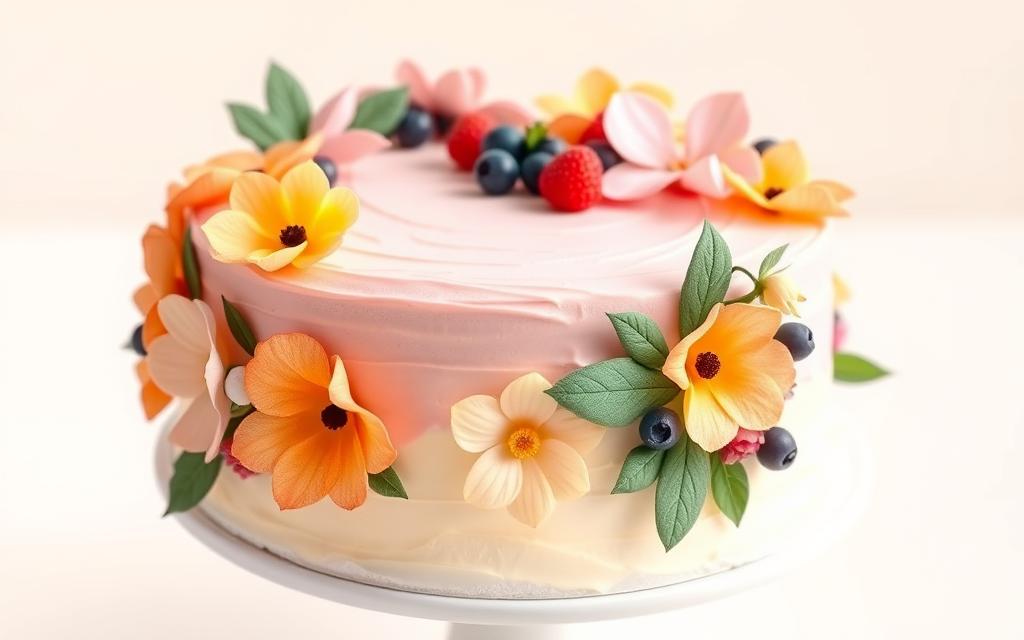
Decorating a cake can seem daunting, but with a few simple techniques, you can turn your vanilla cake into a stunning dessert. Here are some easy cake decorating ideas for beginners.
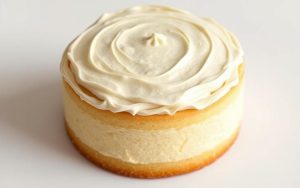
Buttercream frosting is a classic choice for cake decoration. It’s easy to make and can be colored to match your theme. To make a simple buttercream, beat together softened butter and powdered sugar until smooth. You can adjust the consistency by adding more sugar or a little milk.
For a vanilla cake, a lightly sweetened buttercream is a perfect complement. Consider adding a pinch of salt to balance the sweetness.
Dusting with Icing Sugar
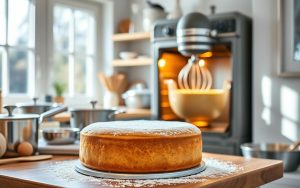
Dusting your cake with icing sugar is a quick and elegant way to finish it. Simply sift a small amount of icing sugar over the top of the cake. This method is particularly effective for Victoria Sponge or Strawberry Shortcake.
Fresh Fruit and Cream Toppings
Using fresh fruit and whipped cream is another beautiful way to decorate your cake. For a vanilla cake, pairing it with lightly sweetened whipped cream and fresh strawberries or other seasonal fruits is a great option. To properly whip cream, chill your bowl and beaters, then whip the cream until it forms stiff peaks. Be careful not to over-whip, as this can turn the cream into butter.
For a more stable whipped cream, you can add a stabilizer like gelatin or cornstarch. This is especially useful if you’re decorating a cake that’s going to be on display for a while.
By incorporating these simple decorating ideas, you can enhance the flavour and appearance of your cake, making it a delightful treat for any occasion.
Troubleshooting Common Cake Problems
Troubleshooting is an essential skill for any baker, and understanding common cake problems can save time and ingredients. Whether you’re a novice or an experienced baker, issues like sinking, dryness, or cracking can occur. Knowing how to address these problems is crucial for achieving perfect cakes every time.
Why Cakes Sink in the Middle
Cakes sinking in the middle can be due to several reasons, including underbaking, incorrect oven temperature, or opening the oven door too often. To avoid this, ensure your oven is at the right temperature, and avoid frequent door openings. For more detailed guidance, you can refer to a cake troubleshooting guide.
Dealing with Dry or Dense Cakes
Dry or dense cakes often result from overmixing the batter or using incorrect ingredient ratios. To prevent this, mix your ingredients just until they come together, and ensure you’re using the right type of flour for your recipe. Additionally, not overbaking is crucial; check your cake frequently towards the end of the baking time.
Fixing Uneven Rising and Cracking
Uneven rising and cracking can be caused by several factors, including uneven oven heat distribution, improper pan preparation, or issues with the recipe formulation. To achieve a level cake, ensure your oven is properly preheated and that you’re using the correct pan size. “You may get the faintest cracks on the surface… But don’t fret – once the cake cools and the slight dome flattens, the cracks will disappear,” as noted by experienced bakers. Proper batter distribution and not overfilling the pans can also help prevent uneven rising. For professional results, bakers often level and trim their cakes. Decorating techniques can also disguise minor imperfections, making your cake look perfect on top.
Professional Tips for Perfect Cakes Every Time
Achieving perfection in cake making requires attention to detail and a few expert tips. Professional bakers understand that several factors contribute to a cake’s success, from ingredient quality to environmental conditions.
Temperature Matters: Ingredients and Environment
The temperature of your ingredients and the baking environment plays a crucial role in cake making. Ensure all ingredients are at room temperature before you start mixing. This helps in achieving a smooth batter and even baking. Moreover, the oven temperature should be accurate; an oven thermometer can help verify this.
The Importance of Timing in Cake Making
Timing is everything when it comes to cake making. Overmixing or underbaking can lead to undesirable results. Follow the recipe’s timing guidelines, and use a toothpick or cake tester to check for doneness. Additionally, be mindful of the time your cake spends in the oven, as overcooking can dry out the cake.
Testing Your Baking Powder
Make sure your baking powder is still good. If your cupcakes don’t rise despite following the recipe, the culprit might be your baking powder. To test its freshness, mix 1 teaspoon of baking powder with 1/2 cup of hot water. If it bubbles vigorously, it’s still active. Proper storage in a cool, dry place is essential to maintain its potency.
By paying attention to these professional tips, you can significantly improve your cake making skills and achieve perfect cakes every time.
Conclusion: Your Journey to Becoming a Cake Expert
With this comprehensive guide, you’re now ready to start your cake-making journey. Mastering the vanilla cake recipe is just the beginning. By applying the techniques learned here, you can experiment with various cake recipes and create stunning birthday cakes.
Practice makes perfect, so don’t be discouraged by initial attempts. As you continue to bake, you’ll develop your unique style and flair. The joy of successful baking is rewarding, and with each new cake, you’ll gain confidence in your abilities.
FAQ
What is the best type of flour to use for baking a cake?
The best type of flour to use for baking a cake is either all-purpose flour or cake flour. All-purpose flour is a versatile option, while cake flour produces a tender crumb.
Why is my cake dense and dry?
A dense and dry cake can be caused by overmixing the batter, incorrect oven temperature, or overbaking. To avoid this, mix ingredients just until combined, ensure your oven is at the right temperature, and check your cake frequently while it’s baking.
Can I substitute butter with margarine or oil in a cake recipe?
Yes, you can substitute butter with margarine or oil, but it may affect the flavor and texture of your cake. Margarine can produce a similar texture to butter, while oil can result in a moist but potentially denser cake.
How do I prevent my cake from sinking in the middle?
To prevent your cake from sinking in the middle, ensure your ingredients are at room temperature, don’t overmix the batter, and avoid opening the oven door during the baking time.
What is the purpose of baking powder in cake recipes?
Baking powder is a leavening agent that releases gas as it reacts with liquid ingredients, causing the cake to rise. It’s essential to test your baking powder periodically to ensure it’s active.
Can I store cakes at room temperature, or should they be refrigerated?
Cakes can be stored at room temperature for a short period, but they should be refrigerated or frozen for longer storage. This helps maintain their freshness and prevents spoilage.
Why is my cake not rising evenly?
Uneven rising can be caused by incorrect oven temperature, uneven batter distribution, or inadequate leavening. To avoid this, ensure your oven is at the right temperature, distribute the batter evenly, and use the right amount of leavening agents.
What is the best way to dust a cake with icing sugar?
To dust a cake with icing sugar, use a fine-mesh sieve or a sifter to sprinkle the sugar evenly over the cake. This helps create a smooth, even layer.
Can I use granulated sugar and brown sugar interchangeably in cake recipes?
While both granulated sugar and brown sugar can be used in cake recipes, they have different properties. Granulated sugar provides structure, while brown sugar adds flavor and moisture. Using them interchangeably may affect the final product.