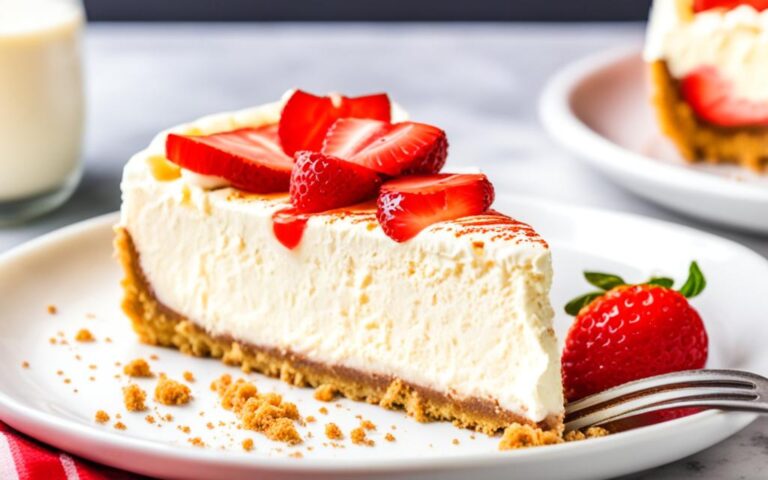
The phrase “have your cake and eat it too” is a common idiom that means to enjoy two things that are usually mutually exclusive. According to the Cambridge Dictionary, it is defined as doing or getting two good things at the same time.
This expression is widely used in both American and British English, highlighting its versatility in everyday language. The idiom is often used in various contexts, including business, personal, and political discussions.
Understanding the definitions and usage of this idiom is crucial for effective communication, especially for English language learners. It represents a universal human desire to enjoy multiple benefits simultaneously, even when they seem incompatible.
Understanding the meaning of “have your cake and eat it too” requires exploring its definition and variations. This idiom is commonly used to describe a situation where someone wants to enjoy two things that are usually mutually exclusive.
Basic Definition
The Cambridge Dictionary defines this idiom as “to do or get two good things at the same time, especially things that are not usually possible to have together.” Merriam-Webster defines it as “to have or enjoy the good parts of something without having or dealing with the bad parts.” Essentially, it means to enjoy the benefits of two incompatible things simultaneously.
Common Variations of the Phrase
The phrase “have your cake and eat it too” has several variations. For instance, the British version often omits “too,” appearing simply as “have your cake and eat it.” Some variations reverse the order: “eat your cake and have it too,” which some linguists argue is more logically structured. Additionally, regional and international English dialects may use slight variations while maintaining the same core meaning. As noted, “these variations have evolved over time while preserving the essential contradiction at the heart of the expression.”
The idiom “have your cake and eat it too” has a rich history that spans centuries, with its meaning remaining relatively consistent despite changes in wording over time.
Historical Context
Originally, the phrase was often presented in the reverse order: “eat your cake and have it too.” This variation was commonly used in the 16th and 17th centuries, highlighting the desire to enjoy something while still retaining it. The phrase is first recorded in the 1530s, during the reign of Henry VIII, indicating its long history in the English language.
Evolution of the Phrase Over Time
Over time, the more familiar word order we use today became standardized in common usage. The addition of “too” at the end became more common in American English during the 20th century. Despite shifts in words and minor variations, the idiom has maintained remarkable stability in meaning, allowing it to be widely understood and used. The phrase now enjoys global usage, thanks in part to digital communication.
How to Use “Have Your Cake and Eat It Too” Correctly
Understanding the correct usage of “have your cake and eat it too” is crucial for effective communication. This idiom can be employed in different contexts to convey distinct meanings.
Positive Usage
The phrase can be used positively to describe situations where someone enjoys two things that seem mutually exclusive. For instance, “She managed to have her cake and eat it too by working from home and still having a successful career.” This usage highlights fortunate circumstances.
Negative Usage
More commonly, the idiom is used to critique unreasonable expectations. As Merriam-Webster notes, “They seem to think they can have their cake and eat it too by having excellent schools for their son without paying high taxes.” This negative usage serves as a reminder that certain trade-offs are unavoidable.
The idiom is often used to point out contradictory demands, such as wanting premium services without paying premium prices.
It appears in political and economic discussions to highlight necessary compromises.
Real-Life Examples of “Have Their Cake and Eat It Too”
The expression is used to highlight the difficulty of enjoying two good things at the same time. In various aspects of life, individuals and organizations face challenges in making choices that seem mutually exclusive.
In Personal Contexts
In personal contexts, people often want to have their cake and eat it too by seeking both financial security and the freedom to pursue their passions. For instance, someone might desire a stable job and the flexibility to travel extensively at the same time.
In Professional Settings
In professional settings, the idiom applies to situations where employees or employers want to benefit from two good things simultaneously, such as high salaries and reduced working hours. Companies might struggle to balance profitability with employee satisfaction.
In Political Discussions
In political discussions, the phrase is often used to critique policies that promise contradictory benefits, such as tax cuts and increased government services, at the same time. As noted by VOA Learning English, “You can’t have your cake and eat it too. Better services cost money.” This highlights the challenge of meeting competing demands.
Similar Expressions and Related Idioms
Besides “have your cake and eat it too,” there are other expressions that describe the human desire for contradictory things. Two such idioms are “the best of both worlds” and “you can’t have it both ways.”
The Best of Both Worlds
“The best of both worlds” refers to a situation where someone enjoys the benefits of two different things simultaneously. This idiom is often used to describe a favorable circumstance where one can have two good things at the same time.
You Can’t Have It Both Ways
“You can’t have it both ways” is a phrase used to point out the impossibility of maintaining two contradictory positions. It’s often utilized in formal contexts like debates or logical discussions to highlight impossible demands. This expression is more confrontational and used to address hypocrisy.
Idiom
Meaning
Usage
The Best of Both Worlds
Enjoying two favorable situations simultaneously
Describing fortunate circumstances
You Can’t Have It Both Ways
Highlighting the impossibility of contradictory positions
Formal debates, pointing out hypocrisy
Conclusion: The Enduring Appeal of This Idiom
The idiom “have your cake and eat it too” has been a part of the English language for centuries, and its enduring appeal lies in its ability to capture a fundamental human desire. This expression remains relevant in modern-day conversations about various aspects of life, from personal finances to world politics.
The phrase’s continued presence in dictionaries and everyday speech demonstrates its lasting value to English language users. At the end of the day, it reminds us that certain choices require accepting that we cannot have everything simultaneously.
FAQ
What does the idiom "have your cake and eat it too" actually mean?
The phrase means to enjoy two things that are normally mutually exclusive, or to benefit from a situation in two different ways at the same time.
Can you provide an example of using this idiom in a sentence?
She wants to travel the world and stay at home with her family; she wants to have her cake and eat it too, but it’s not possible.
Is the phrase "have your cake and eat it too" always used in a negative context?
No, it can be used in both positive and negative contexts, depending on whether someone is describing a fortunate situation or pointing out an impossible demand.
What are some common variations of this idiom?
Some people use the phrase “have your cake and eat it” or simply say someone is trying to “have it both ways.”
How do I know when to use this idiom in a conversation or writing?
Use it when you want to describe a situation where someone is trying to enjoy two benefits that are usually not possible at the same time, such as getting two good things at the same time.
Are there other idioms similar to "have your cake and eat it too" that I can use?
Yes, some related idioms include “the best of both worlds” and “you can’t have it both ways.”