How to Make a Cake: Simple Steps for Beginners
Creating a delicious homemade cake can be a rewarding experience, even for those new to baking. This comprehensive guide will walk you through the entire process, from gathering ingredients to presenting the final product.
Understanding the basics of cake baking is crucial for achieving consistent results. By learning proper techniques for measuring, mixing, and baking, you’ll lay the foundation for all your future baking projects.
Our focus is on a simple cake recipe that yields a moist and fluffy cake, perfect for special occasions or everyday treats. By following these easy steps, beginners can create impressive cakes on their first attempt.
The Basics of Cake Making
The foundation of a great cake lies in understanding the basics of cake making, from equipment to ingredients. To start, having the right equipment is crucial for a smooth baking process.
Essential Equipment You’ll Need
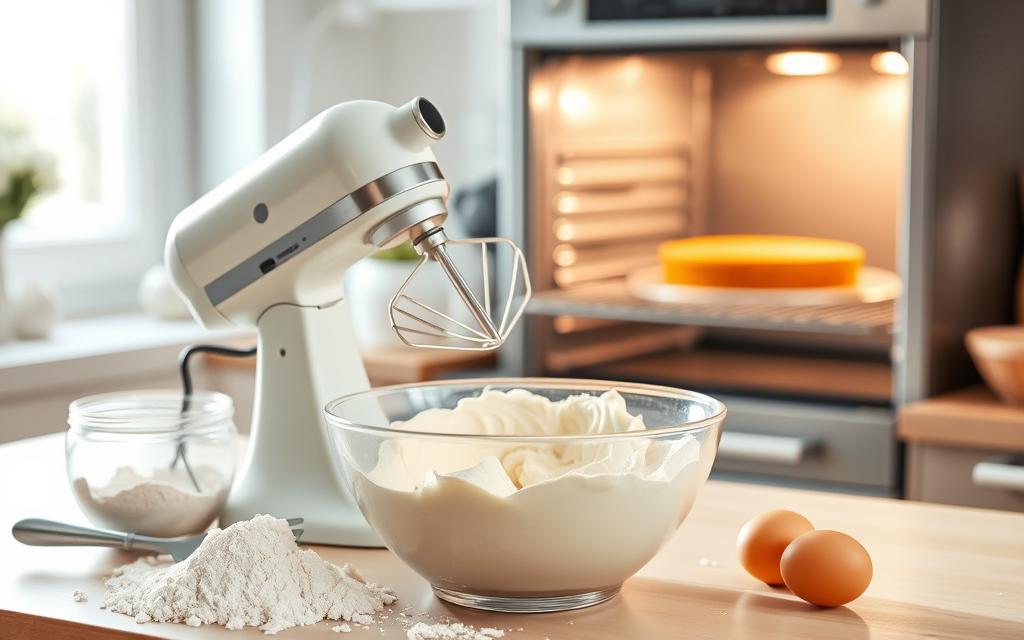
To begin baking a cake, you’ll need a few essential pieces of equipment. These include a mixing bowl, measuring cups, an electric mixer, and cake pans. Having the right tools ensures that you can measure ingredients accurately and mix them efficiently. For a more detailed guide on making a cake from scratch, you can visit this page.
Understanding Cake Ingredients
Cake ingredients are the building blocks of a delicious cake. Each ingredient serves a specific purpose, affecting the final texture and flavor. For instance, flour provides structure through its protein content, while sugar not only sweetens but also tenderizes the cake. Butter adds flavor and tenderness, and eggs provide structure, leavening, moisture, and richness. The baking powder acts as a leavening agent, creating the rise in cakes through chemical reactions that produce carbon dioxide, thus aiding in the raising process.
Related Posts:
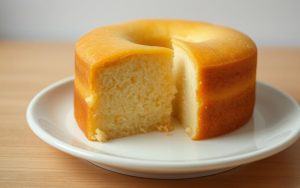
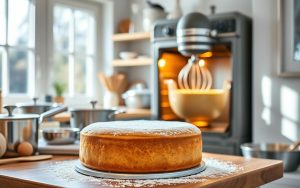
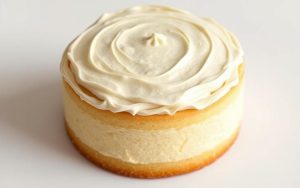


The role of each ingredient is crucial: flour and sugar work together to create a balanced texture, while butter enhances the flavor. Understanding how ingredients like eggs and leavening agents such as baking powder function is key to making a successful cake.
Gathering Your Ingredients
The foundation of a great cake lies in the ingredients you choose and how you prepare them. Before diving into the mixing process, it’s essential to understand the role of different ingredients and their impact on the final product.
Flour, Sugar, and Leavening Agents
Flour provides structure, while sugar adds sweetness and tenderness. Leavening agents, such as baking powder and baking soda, are crucial for the cake to rise. Using the right type and amount of these ingredients is vital for achieving the desired texture and flavor.
Fats, Liquids, and Flavorings
Butter and other fats contribute to the moisture and richness of the cake. Eggs serve multiple roles, including leavening, moisture, and binding ingredients together. Liquids, such as milk or water, help to achieve the right consistency, while flavorings like vanilla extract enhance the overall taste.
Room Temperature Ingredients Matter
Using ingredients at room temperature is crucial for a smooth batter and even baking. This is particularly true for butter and eggs. When butter is softened to the right consistency, it creams better with sugar, incorporating air that helps the cake rise. Similarly, eggs at room temperature blend more easily into the batter, ensuring a uniform texture. Allowing time for ingredients to reach room temperature can make a significant difference in the final result.
- Room temperature ingredients incorporate more easily and trap more air during mixing.
- Cold butter won’t cream properly with sugar, resulting in dense cakes that don’t rise well.
- Cold eggs can cause batters to curdle or separate during mixing.
How to Make a Cake from Scratch
The art of making a cake from scratch involves understanding the importance of ingredient measurement and mixing techniques. To achieve a perfect cake, one must consider several factors that contribute to its texture and flavor.
Measuring Ingredients Properly
Measuring ingredients accurately is crucial in cake making. Using a digital scale ensures that ingredients are measured precisely, which is vital for the chemical reactions that occur during baking. For instance, too much or too little baking powder can significantly affect the cake’s rise and texture.
To measure ingredients properly, it’s essential to understand the difference between dry and wet ingredients. Dry ingredients, such as flour and sugar, should be measured using a dry measuring cup, while wet ingredients, like eggs and milk, should be measured using a liquid measuring cup.
Mixing Techniques for Perfect Texture
Mixing is a critical step in cake making that affects the final texture. Creaming butter and sugar until light and fluffy incorporates air, which is essential for the cake’s rise. Similarly, whipping eggs to the right consistency adds volume and tenderness to the cake.
The technique used for mixing can either preserve or destroy the air incorporated during the creaming and whipping stages. Gentle folding is a technique used to preserve the air bubbles, ensuring that the cake remains light and fluffy.
The Importance of Proper Aeration
Aeration is the process of incorporating air into the cake batter, which expands during baking to create the cake’s rise. There are three main sources of aeration in cakes: mechanical (creaming/whipping), chemical (baking powder/soda), and steam. Proper aeration results in an even, tender crumb without large air tunnels or dense spots.
Techniques like whipping eggs and sugar to the ribbon stage create exceptional aeration. The Japanese technique of extended egg whipping (7+ minutes) is known to create cakes that stay moist for days. Additionally, baking powder provides chemical leavening as a backup to mechanical aeration, ensuring that the cake rises properly.
To achieve proper aeration, it’s crucial to understand the factors that affect it. Temperature, for instance, affects aeration – warm eggs whip to greater volume than cold ones. Moreover, gentle folding techniques preserve air bubbles created during earlier mixing stages, while dropping filled cake pans on the counter a few times releases large air bubbles that could create holes.
Preparing Your Cake Pans
Preparing your cake pans is a critical step that ensures your cake releases smoothly after baking. Proper preparation prevents the cake from sticking to the pan, making the baking process much easier.
Greasing and Flouring Methods
Greasing and flouring your cake pans is a traditional method to prevent cakes from sticking. You can use butter or cooking spray to grease the pans, followed by a dusting of flour. This method is effective, but it can leave a residue on the cake.
Using Parchment Paper
Using parchment paper is a more reliable method for ensuring your cake releases from the pan. Here are some benefits:
- Parchment paper provides a non-stick surface for cake baking.
- You can create perfect-fitting liners by tracing the pan’s bottom on parchment paper and cutting out circles.
- Greasing the pan before placing parchment paper helps it adhere.
- Parchment paper can be reused if not too soiled.
| Method | Advantages | Disadvantages |
|---|---|---|
| Greasing & Flouring | Effective for non-stick | Leaves residue on cake |
| Parchment Paper | Easy release, reusable | Additional preparation step |
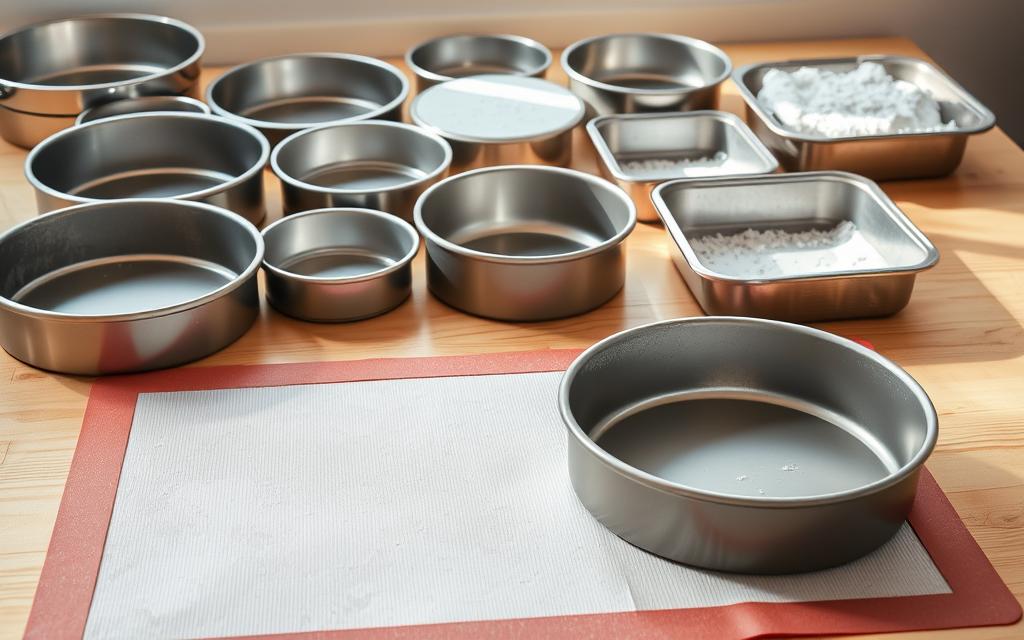
By choosing the right method for preparing your cake pans, you can ensure a smooth and successful baking experience. Whether you opt for greasing and flouring or using parchment paper, your cake will release from the pan with ease.
Baking Your Cake to Perfection
The key to a flawless cake lies in the details of the baking process. Baking a cake is not just about mixing ingredients together; it’s about creating a culinary masterpiece that delights the senses.
Oven Temperature and Positioning
Oven temperature is crucial for baking a cake that rises properly. An oven that is too hot or too cold can affect the cake rise. Ensure your oven is at the correct temperature, and consider using an oven thermometer for accuracy. The positioning of the cake within the oven also matters; it should be placed in the center to allow for even heat distribution.
Testing for Doneness
Knowing when your cake is done is vital. Overbaking can lead to a dry cake, while underbaking can result in a cake that’s not set. Common methods for testing doneness include inserting a toothpick into the center of the cake; if it comes out clean, the cake is done. Another method is to gently press the top of the cake; if it springs back, it’s ready.
Common Baking Problems and Solutions
Baking a cake can sometimes be fraught with issues, but understanding the causes can help you avoid them. Here are some common problems and their solutions:
| Problem | Cause | Solution |
|---|---|---|
| Sunken Center | Underbaking, opening oven door too early, or expired baking powder | Bake until done, avoid opening oven door during initial baking, and check baking powder freshness |
| Domed Top | Too much leavening, overmixing, or high oven temperature | Adjust recipe leavening, mix batter just until combined, and check oven temperature |
| Cracked Top | High oven temperature causing outside to set before inside expands | Reduce oven temperature and ensure even baking |
By understanding these common issues and adjusting your baking techniques accordingly, you can achieve a perfectly baked cake every time.
Cooling and Removing From Pans
Once your cake is baked to perfection, the next crucial step is cooling and removing it from the pans. This process requires care to prevent damage to your freshly baked cake. For detailed instructions on preparing your pans, you can refer to guides on preparing cake pans.
Proper Cooling Techniques
To cool your cake properly, it’s essential to let it rest in the pan for a few minutes. This allows the cake to firm up slightly, making it easier to handle. Running a thin knife or offset spatula around the edges helps loosen the cake from the pan sides. Inverting the pan onto a cooling rack and gently lifting it allows gravity to help release the cake. Using parchment paper liners can make removal nearly foolproof by preventing sticking.
Safely Removing Cakes Without Breaking
Gentle handling is key to preventing breakage. For cakes baked in complex pans, ensuring all crevices were properly greased is crucial. Tapping the bottom of inverted pans can help release stubborn cakes. If a cake resists removal, letting it cool for a few more minutes often helps it contract and release. For added safety, placing a second cooling rack on top of the cake before flipping creates a “sandwich” that prevents breaking.
Decorating Your Cake
With the right techniques and a bit of practice, you can transform a simple cake into a stunning dessert. Decorating is the final step in making your cake truly special, and it’s where you can let your creativity shine.
Simple Frosting Techniques for Beginners
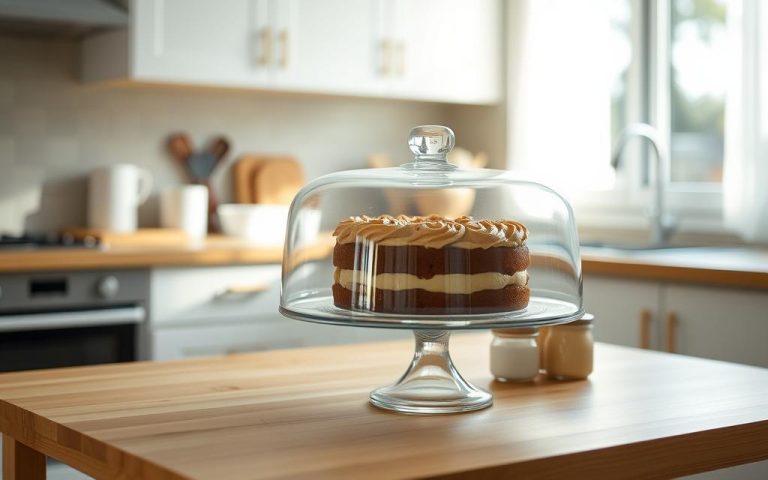
For those new to cake decorating, mastering the art of frosting is essential. Start by ensuring your cake is completely cooled, as this will help the frosting set properly. Use a turntable to spin your cake while you work, allowing for smooth, even application of the cream. Begin with a thin layer of frosting, known as a crumb coat, to trap any stray crumbs. Chill the cake briefly before applying a final layer of frosting.
To achieve a smooth finish, use an offset spatula or a flat knife to spread the frosting evenly around the cake. Practice makes perfect, so don’t be discouraged if it takes a few attempts to get the hang of it.
Creative Topping Ideas
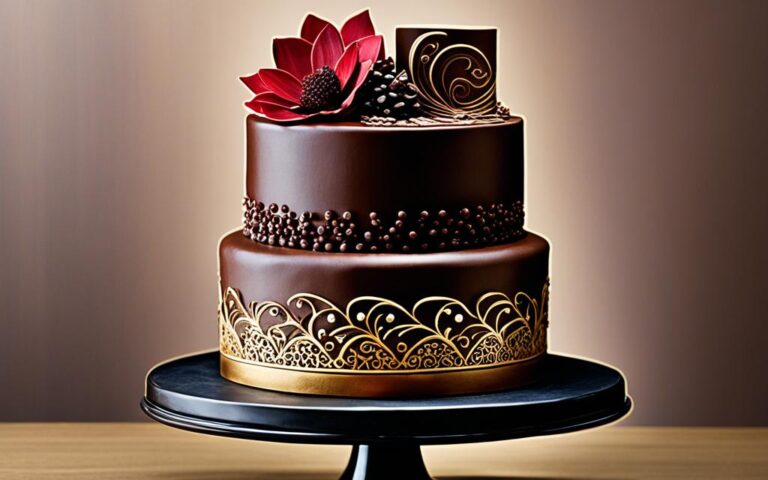
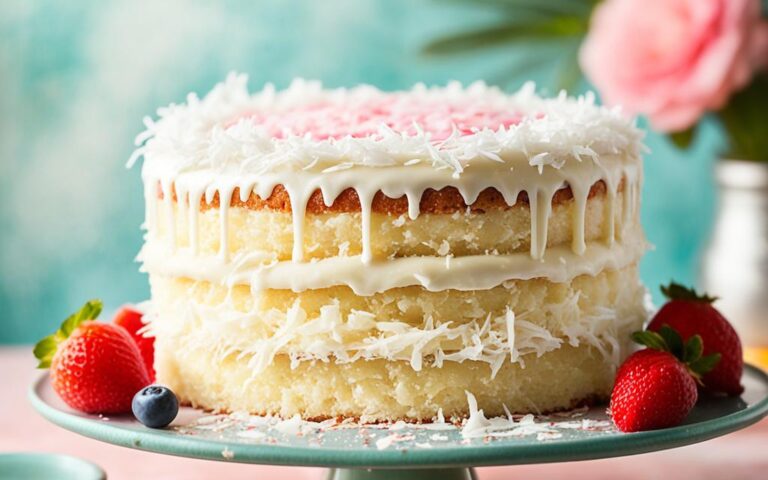
Once you’ve mastered the basics of frosting, it’s time to get creative with your toppings. Consider adding fresh fruit, such as strawberries or blueberries, for a pop of color and flavor. Chocolate shavings, chopped nuts, or sprinkles can also add texture and visual interest to your cake. The key is to balance your toppings with the overall design, creating a cohesive look that enhances the cake’s appearance.
Experiment with different combinations to find the perfect way to decorate your cake. Remember, the most important thing is to have fun and be creative!
Making Your Cake Look Professional
To give your cake a professional finish, pay attention to the details. Leveling your cake layers ensures a flat, even surface. Chilling your cake before decorating helps prevent crumbs from getting stuck in the frosting. Using a turntable allows for smooth, even frosting application.
| Technique | Description | Benefit |
|---|---|---|
| Leveling | Using a serrated knife or cake leveler to create flat layers | Ensures even stacking |
| Chilling | Firming up the cake before decorating | Prevents crumbs in frosting |
| Turntable | Spinning the cake for even frosting application | Smooth, professional finish |
By following these tips and practicing your skills, you can create a beautifully decorated cake that’s sure to impress.
Conclusion
Baking a cake is not just about following a recipe; it’s about creating something that brings joy to others. As you’ve learned from this guide, making a cake from scratch is a rewarding skill that improves with practice and understanding. The techniques you’ve mastered form the foundation for more advanced baking projects, allowing you to experiment with different flavors, fillings, and decorations.
With the knowledge gained, you’re now well-equipped to tackle any cake recipe with confidence. Remember, even professional bakers started as beginners, and each cake provides lessons for improvement. The satisfaction of creating a homemade cake for special occasions adds a personal touch that store-bought options lack.
As you continue to make cake creations, keep notes on your baking experiences to track successful modifications and avoid repeating mistakes. This basic vanilla cake recipe provides a versatile foundation for countless variations and decorating styles, empowering you to adapt recipes confidently and explore new ways to express your creativity through baking.
FAQ
What is the role of baking powder in a cake recipe?
Baking powder is a leavening agent that releases carbon dioxide gas into the batter, causing the cake to rise. It’s a mixture of baking soda and an acid that reacts when it comes into contact with liquid ingredients and heat.
Why is it essential to use room temperature ingredients when baking a vanilla cake?
Using room temperature ingredients ensures that they mix together smoothly and evenly, resulting in a tender and even-textured vanilla cake. Cold ingredients can lead to a dense or uneven cake.
How do I prevent my chocolate cake from becoming too dense?
To prevent a dense chocolate cake, make sure to not overmix the batter, and use the right ratio of flour to sugar. Also, ensure that your eggs are at room temperature and that you’re using the correct oven temperature.
What is the best way to cream butter and sugar for a vanilla cake recipe?
To cream butter and sugar effectively, use softened butter and granulated sugar. Beat them together until light and fluffy, scraping down the sides of the bowl as needed, until the mixture is pale and doubled in volume.
Why is it crucial to not overmix the batter when making a sponge cake?
Overmixing the batter can result in a dense and tough sponge cake. Mix wet and dry ingredients separately and gently fold them together to maintain the delicate structure of the sponge cake.
How do I know when my cake is done baking?
Check for doneness by inserting a toothpick into the center of the cake. If it comes out clean or with a few moist crumbs, the cake is done. You can also check the edges, which should be lightly golden brown and pulling away from the pan.