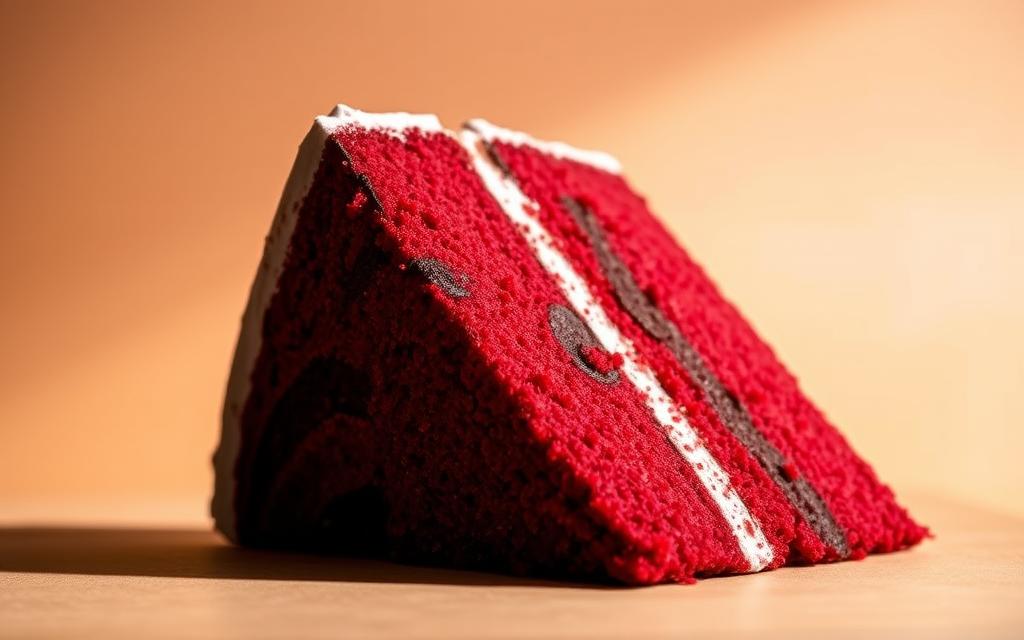
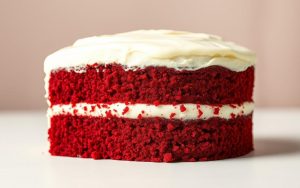
The debate about whether red velvet cake is simply a chocolate cake with added food coloring has been ongoing for decades. While it does contain cocoa powder, the amount is relatively small compared to traditional chocolate cakes.
For those curious about the true nature of this beloved dessert, understanding its ingredients is key. A recipe for red velvet cake typically includes unsweetened cocoa powder, along with other ingredients like buttermilk and vinegar, contributing to its distinctive flavor profile.
The combination of subtle chocolate notes and a unique tanginess sets red velvet cake apart from other desserts. This complexity has maintained its popularity for generations, making it a staple in the world of baking.
The allure of red velvet cake lies not just in its taste but in the mystery surrounding it. This beloved dessert has sparked intense debates and discussions among bakers, chefs, and dessert enthusiasts. At the heart of the debate is a simple yet intriguing question: what exactly is red velvet cake?
What Exactly Is Red Velvet Cake?
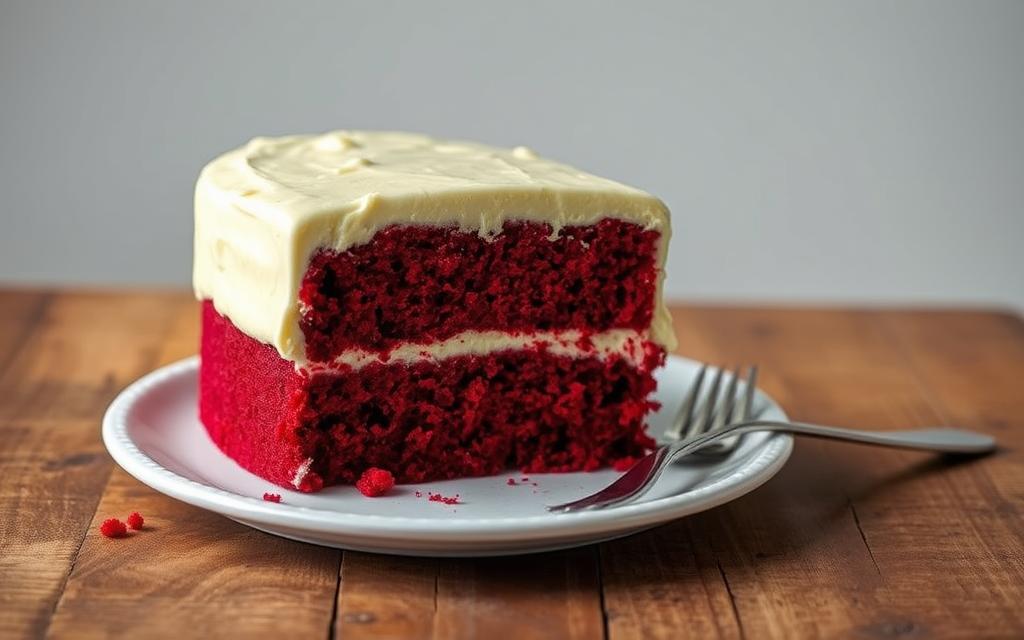
Red velvet cake is a unique dessert that combines the flavors of chocolate, vanilla, and buttermilk, resulting in a tangy taste experience. Unlike traditional chocolate cakes, red velvet cake does not taste overwhelmingly of chocolate. Instead, it has a subtle cocoa flavor complemented by the tanginess of buttermilk. The cake’s distinctive red color is achieved through the addition of red food coloring.
The Ongoing Debate: Chocolate or Not?
The debate surrounding whether red velvet cake should be classified as a chocolate cake continues to rage. On one hand, some argue that the minimal amount of cocoa powder used (typically 2-3 tablespoons for an entire cake) does not justify labeling it as chocolate. On the other hand, proponents argue that cocoa powder is essential to the cake‘s flavor profile and historical development, making it a variation of chocolate cake. Understanding the ingredients and their proportions clarifies why red velvet cake deserves its own classification, separate from both vanilla and chocolate cake.
The question of whether red velvet cake is a chocolate cake has sparked debates among bakers and dessert enthusiasts.
Those against the chocolate classification point to the minimal amount of cocoa powder used.
Proponents note that cocoa powder is essential to the cake‘s flavor and historical development.
The debate highlights a misunderstanding about red velvet‘s identity as a distinct category.
Understanding the ingredients helps clarify why red velvet cake deserves its own classification.
Is Red Velvet Cake Chocolate? The Definitive Answer
Red velvet cake, with its distinctive color and unique flavor profile, has led many to question its classification as a chocolate cake. The truth lies in understanding the nuances of its ingredients and the role they play in defining its taste and texture.
The Chocolate Content in Red Velvet Cake
A traditional red velvet cake recipe includes a small amount of cocoa powder, which is often misinterpreted as a primary indicator of it being a chocolate cake. However, the quantity of cocoa powder used is significantly less than in a typical chocolate cake, and its purpose is more about enhancing the color and adding depth rather than dominating the flavor profile.
Why People Confuse Red Velvet with Chocolate Cake
Several factors contribute to the confusion between red velvet cake and chocolate cake. The visual similarity, especially when the red coloring is less pronounced, is a significant factor. Additionally, many commercial bakeries and cake mixes labeled as “red velvet” often increase the chocolate content beyond traditional recipes, further blurring the distinction. The presence of cocoa powder in the ingredient list also leads many to categorize red velvet cake as a chocolate cake without considering the proportions or purpose.
Understanding the historical development and traditional recipe of red velvet cake clarifies why it stands as its own unique creation rather than simply being a variation of chocolate cake. The combination of ingredients like buttermilk and vinegar creates a cake that is soft, velvety, and full of tangy-rich flavor, distinguishing it from a typical chocolate cake.
The Fascinating History of Red Velvet Cake
Unraveling the history of red velvet cake reveals a fascinating narrative that spans decades and involves a blend of traditional baking practices and innovative techniques. The story of red velvet cake is not just about its distinctive color or its taste; it’s about how this beloved dessert has evolved over time.
Origins and Evolution
The origins of red velvet cake are rooted in the early 20th century, with its evolution influenced by various factors, including the availability of ingredients and baking techniques. Initially, the cake’s reddish hue was a result of a chemical reaction between natural cocoa powder and acidic ingredients like buttermilk and vinegar. The use of beet juice or beet purée was also a common practice to enhance the cake’s natural red color. As baking practices evolved, so did the recipe, adapting to new ingredients and techniques.
How Red Velvet Cake Got Its Color
The distinctive red color of modern red velvet cake has undergone significant changes throughout its history. The introduction of red food coloring during the Great Depression, promoted by companies like Adams Extract, played a crucial role in achieving the cake’s bright red appearance we know today. The transition to Dutch-processed cocoa powder diminished the natural reddish reaction, making food coloring more necessary. Today, a combination of traditional techniques and modern ingredients gives red velvet cake its signature look.
Key Ingredients That Make Red Velvet Cake Unique
The secret to Red Velvet Cake’s unique identity lies in its ingredients, which include cocoa powder for depth, acidic buttermilk for tanginess, and a hint of red food coloring for its vibrant hue.
Cocoa Powder: Its Role and Proportion
Cocoa powder is a crucial ingredient in Red Velvet Cake, providing a subtle chocolate flavor without overpowering the other ingredients. The proportion of cocoa powder can vary, but it typically constitutes a small fraction of the total ingredients, enough to give the cake a deep, rich flavor.
Buttermilk and Vinegar: The Science Behind the Tanginess
The use of buttermilk and vinegar in Red Velvet Cake contributes to its distinctive tanginess. The acidity in these ingredients reacts with the cocoa powder to enhance the cake’s flavor and texture. This reaction is crucial for achieving the cake’s characteristic tender crumb.
Red Food Coloring: Traditional vs. Modern Approaches
Originally, Red Velvet Cake’s reddish hue was achieved through the reaction between natural cocoa powder and acidic ingredients. However, with the advent of red food coloring, achieving the vibrant red color became easier. Modern bakers often use a combination of natural and artificial coloring. Some recipes still utilize beet juice or natural food dyes for a more subtle, natural color.
Ingredient
Traditional Use
Modern Approach
Cocoa Powder
Natural cocoa powder for a reddish hue
Dutch-processed cocoa; additional coloring may be needed
Buttermilk
Used for its acidity to react with cocoa
Still used for its tanginess and moisture
Red Food Coloring
Originally beet juice or natural reactions
Often artificial red food coloring; some use natural dyes
As noted by food historians, “The evolution of Red Velvet Cake’s color is a story of innovation and adaptation, from natural chemical reactions to the use of artificial coloring.” The choice between traditional and modern approaches to coloring depends on the desired intensity and authenticity of the cake’s appearance.
The Distinctive Flavor Profile of Red Velvet Cake
Red velvet cake’s flavor is a delicate balance of chocolate, vanilla, and tangy notes. This unique taste experience is a result of the combination of ingredients used in the cake.
The Unique Taste Experience
The flavor profile of red velvet cake is characterized by its subtle cocoa flavor, complemented by the tanginess of buttermilk and the slight sweetness of vanilla. The interplay between these ingredients creates a complex and balanced flavor that is distinct from other types of cakes.
Unlike chocolate cake, which has a rich and intense chocolate flavor, red velvet cake uses only a small amount of cocoa powder, resulting in a more subtle chocolate taste. The addition of buttermilk and vinegar gives the cake a tangy flavor, while the vanilla adds a touch of sweetness.
How It Differs From Chocolate and Vanilla Cakes
Red velvet cake differs significantly from both chocolate and vanilla cakes in terms of its flavor profile. The combination of cocoa powder, buttermilk, and vinegar creates a unique taste experience that is not found in other cakes.
The texture of red velvet cake is also distinct, with a tender and fine-crumb texture due to the reaction between the acidic ingredients and baking soda. The traditional pairing with cream cheese frosting further distinguishes red velvet cake from other cake varieties.
Classic Red Velvet Cake Recipe
Baking a classic red velvet cake is an art that requires precision and attention to detail. To achieve the signature velvety texture and subtle cocoa flavor, it’s essential to understand the importance of using high-quality ingredients and following a tried-and-tested recipe.
Ingredients You’ll Need
To make a classic red velvet cake, you’ll need the following ingredients: 2 cups of all-purpose flour, 1 cup of granulated sugar, 2 teaspoons of baking powder, 1 teaspoon of salt, 1 cup of butter, softened, 2 large eggs, 2 large egg yolks, 2 teaspoons of red food coloring, 1 cup of buttermilk, and 1 teaspoon of vanilla extract.
Ingredient
Quantity
All-purpose flour
2 cups
Granulated sugar
1 cup
Softened butter
1 cup
Step-by-Step Baking Instructions
To make red velvet cake, start by preheating your oven to 350°F (175°C). Grease and flour three 9-inch (23cm) round cake pans. In a medium bowl, whisk together the flour, sugar, baking powder, and salt. In a large mixing bowl, combine the butter and eggs. Beat in the red food coloring and vanilla extract. Gradually add the dry ingredients to the wet ingredients, alternating with the buttermilk, beginning and ending with the dry ingredients. Beat just until the batter is smooth.
Divide the batter evenly among the prepared pans and smooth the tops. Bake for 30-35 minutes or until a toothpick inserted in the center comes out clean. Allow the cakes to cool in the pans for 10 minutes before transferring them to a wire rack to cool completely.
Tips for the Perfect Texture
To achieve the perfect texture, ensure that all ingredients are at room temperature before beginning. Use a kitchen scale to weigh your ingredients for the best results. Don’t overmix the batter, as this can result in a dense cake. For more detailed instructions and variations on this recipe, you can visit Sugar Geek Show.
Use room temperature ingredients to ensure the batter emulsifies properly.
Measure ingredients by weight rather than volume for precision.
Don’t overmix the batter to prevent a dense cake.
The Perfect Frosting for Red Velvet Cake
Selecting the ideal frosting is crucial to enhancing the unique characteristics of red velvet cake. The right frosting can complement the cake’s subtle flavors and add a new dimension to its overall taste experience.
Traditional Cream Cheese Frosting
Cream cheese frosting is the most common pairing for red velvet cake today. Historically, however, the cake was often topped with ermine frosting, also known as boiled milk frosting or flour frosting. Cream cheese frosting offers a tangy contrast to the cake’s subtle sweetness, making it a popular choice. It’s made by beating cream cheese with butter and powdered sugar, resulting in a smooth and creamy texture.
Alternative Frosting Options
For those looking for alternatives, several options can complement red velvet cake. Ermine frosting, for instance, provides a silky, less sweet alternative. It’s made by cooking flour and milk into a thick paste, then beating it with butter and sugar. Other options include classic vanilla buttercream, made with unsalted butter, powdered sugar, and vanilla extract, and chocolate buttercream, which emphasizes the cocoa notes in the cake. Whipped cream frosting, stabilized with gelatin or mascarpone cheese, offers a lighter alternative. For special dietary needs, dairy-free alternatives using plant-based butter and cream cheese substitutes can be used.
Regardless of the frosting chosen, ensuring it’s at the proper consistency for spreading is crucial. Too stiff, and it will tear the cake; too soft, and it won’t hold its shape.
Common Mistakes to Avoid When Making Red Velvet Cake
Making a red velvet cake that’s both moist and flavorful involves avoiding several common errors. To achieve the perfect red velvet texture and taste, it’s essential to pay attention to detail in both ingredient proportions and baking techniques.
Ingredient Proportions and Substitutions
One of the critical aspects of making a great velvet cake is using the right proportions of dry ingredients and wet ingredients. Overmixing the batter after combining these ingredients can develop gluten, leading to a tough cake. It’s also crucial to use the correct size of cake pans as specified in the recipe to ensure even baking.
Ingredient
Common Mistake
Correct Approach
Dry Ingredients
Overmixing
Mix just until combined
Cake Pans
Using wrong size
Use recommended 8-inch or 9-inch pans
Batter
Overmixing
Mix until just combined
Baking Techniques and Temperature Control
Baking a red velvet cake requires careful attention to temperature and timing. Opening the oven door too early can cause the cake to sink, while underbaking or overbaking affects the texture. To make cake perfectly, bake for 35-40 minutes and check for doneness with a toothpick.
Conclusion: Appreciating Red Velvet Cake for What It Truly Is
With its distinct identity and captivating flavor profile, red velvet cake continues to be a beloved dessert worldwide. The magic of this cake lies in its perfect balance of subtle flavors and chemical reactions that create its signature velvety texture and hint of tanginess.
The complementary pairing of red velvet cake with cream cheese frosting creates a harmonious flavor combination that has stood the test of time. By appreciating red velvet cake for what it truly is—a distinct cake category with its own characteristics—we can better enjoy this beloved dessert.
FAQ
What gives red velvet cake its distinctive color?
The cake’s signature color comes from a reaction between the cocoa powder, acidic buttermilk, and red food coloring. The reaction is enhanced when the ingredients are combined, resulting in the cake’s deep velvety texture and color.
Can I make red velvet cake without food coloring?
While it’s possible to make a version of the cake without red food coloring, the resulting color will be more brown than red. The traditional recipe relies on the coloring to achieve its iconic appearance.
Is buttermilk necessary for red velvet cake, or can I substitute it?
Buttermilk is a crucial ingredient in red velvet cake, as it reacts with the cocoa powder to create the cake’s characteristic flavor and texture. You can make a substitute by mixing milk with vinegar or lemon juice, but it’s not recommended to use regular milk.
What’s the best type of cocoa powder to use for red velvet cake?
For the best flavor, use a high-quality, unsweetened cocoa powder. Dutch-processed cocoa powder will give a deeper flavor, while natural cocoa powder will result in a lighter taste.
Can I use a stand mixer to make red velvet cake?
Yes, a stand mixer is a great tool for making red velvet cake. It can help to cream together the butter and sugar, beat in the eggs, and mix the batter until it’s smooth and even.
How do I achieve the perfect cream cheese frosting?
To make a great cream cheese frosting, use softened cream cheese and butter, and beat them together until smooth. Add powdered sugar gradually, beating until fully incorporated, and adjust the consistency as needed.
Can I make red velvet cake in advance?
Yes, you can make the cake layers ahead of time and store them in an airtight container at room temperature or in the freezer. Frost the cake just before serving for the best results.